Hastelloy Clad Plate Overview
Hastelloy clad plate combines the corrosion-resistant properties of nickel-based alloy cladding with the structural support of a steel base. By bonding these different metals into a composite structure, the material provides a practical option for industrial equipment that requires corrosion protection without using solid nickel-based alloy throughout the entire component.
KLS offers Hastelloy-related clad products in two forms: Hastelloy C276 clad steel plate and clad heat exchanger tube sheets with C276 available as a cladding material option. These products serve different fabrication requirements, from flat composite plate materials to tube-support components used in shell-and-tube heat exchangers.
Hastelloy Clad Products
Hastelloy C276 Clad Steel Plate
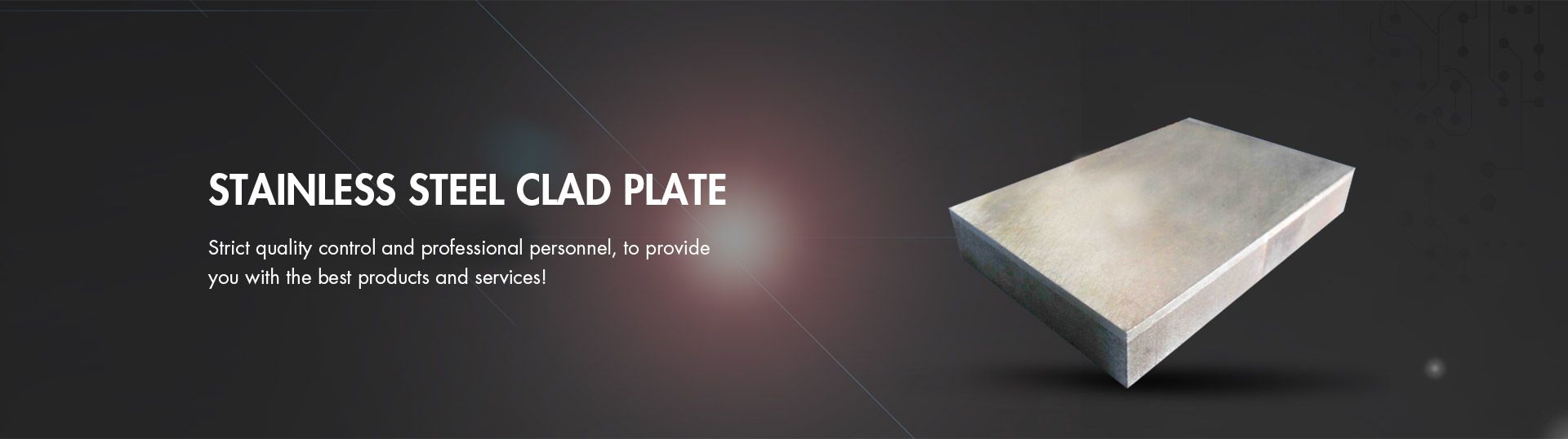
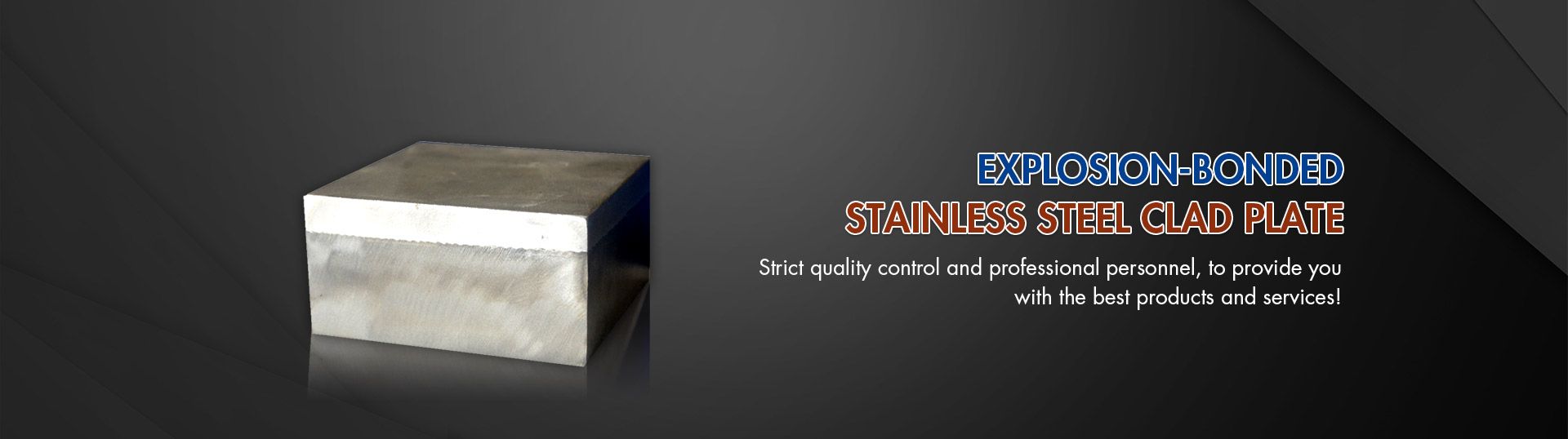
Hastelloy C276 clad steel plate consists of a C276 nickel-based alloy cladding layer bonded to a carbon steel or low-alloy steel base. The C276 layer provides a corrosion-resistant surface for compatible process environments, while the steel base serves as the main structural section.
This composite construction can reduce the amount of nickel-based alloy required compared with solid C276 plate, making it a material option for selected chemical processing equipment, pressure vessels and other industrial applications.
Cladded Tube Sheet for Heat Exchangers
A clad tube sheet is a drilled plate component that supports and secures tubes in shell-and-tube heat exchangers. Its material construction needs to account for the fluids contacting the tube-side and shell-side surfaces, as well as the mechanical requirements of the equipment.
KLS offers clad tube sheets with different cladding material options, including C276, titanium, Monel, stainless steel and zirconium. A steel base provides structural support, while the selected cladding material is intended to address the corrosion conditions of the service environment.
The tube sheet dimensions and construction can be customized according to project requirements and heat exchanger drawings.
Materials and Clad Plate Construction
The performance of a clad metal product depends on the combination of its cladding material and base metal. The two layers perform different functions and should be selected according to the intended application.
For Hastelloy C276 clad steel plate, the confirmed material combination consists of:
◆ Cladding Material: Hastelloy C276 (UNS N10276), providing corrosion resistance on the exposed surface.
◆ Base Material: Carbon steel or low-alloy steel, providing the structural section of the composite plate.
For clad tube sheets, the cladding material can be selected from the available material options according to the process environment and equipment requirements. C276 is one of the cladding options alongside other corrosion-resistant metals.
Important design parameters include cladding thickness, base metal thickness, total thickness, plate dimensions and the required component configuration. These details should be defined in the project drawings and technical specifications.
Industrial Applications of Hastelloy Clad Plate
Hastelloy clad materials can be considered for industrial equipment where corrosion-resistant surfaces and structural steel construction are required. The suitability of each product depends on the actual operating conditions and material compatibility.
Chemical Processing Equipment
Chemical reactors, process vessels and other equipment may encounter acidic solutions, chlorides and aggressive process chemicals. C276 cladding can provide corrosion protection when the alloy is compatible with the operating medium.
Pressure Vessels and Reactors
Industrial pressure vessels and reactors may require corrosion-resistant internal surfaces combined with structural steel construction. Clad steel plate offers a composite material option for equipment designed around these requirements.
Heat Exchangers
Shell-and-tube heat exchangers use tube sheets to support and secure heat transfer tubes. Clad tube sheets can combine a structural steel base with a selected corrosion-resistant cladding material to address the operating conditions on the fluid-contacting surfaces.
Environmental Protection Equipment
Wet scrubbers, flue gas desulfurization (FGD) absorbers and related gas treatment equipment may encounter acidic condensates and chloride-containing solutions. Nickel-based alloy cladding can be considered for selected components when the service conditions support its use.
Oil and Gas Processing Equipment
Certain oil and gas processing applications involve corrosive fluids and demanding operating conditions. Hastelloy C276 may be considered for selected equipment components where its corrosion resistance matches the process environment.
Customized Hastelloy Clad Products for Industrial Projects
The material combination and dimensions of clad products should be determined according to the equipment design and operating conditions. KLS can discuss the relevant material construction and product requirements based on project and technical specifications.
Contact KLS to discuss your clad plate requirements.
Frequently Asked Questions
What Products Are Included in KLS Hastelloy Clad Plate Category?
This category includes Hastelloy C276 clad steel plate and clad heat exchanger tube sheets with C276 available as one of the cladding material options. The two products differ in their construction and intended use.
What Is the Difference Between Hastelloy C276 Clad Plate and Clad Tube Sheet?
Hastelloy C276 clad plate is a flat composite material consisting of C276 cladding bonded to a steel base. A clad tube sheet is a fabricated plate with drilled holes that holds heat exchanger tubes in position. A tube sheet can use different cladding materials depending on the application.
Can Clad Tube Sheets Be Made with Hastelloy C276 Cladding?
Yes. C276 is one of the cladding material options identified for KLS clad tube sheets. Other options include titanium, Monel, stainless steel and zirconium. The appropriate material combination depends on the operating environment and project requirements.