
Hastelloy C276 Clad Plate is a corrosion-resistant alloy that is widely used in a variety of industrial applications, including chemical processing, oil and gas, and marine engineering.
Overview
Hastelloy C276 Clad Plate is a corrosion-resistant clad alloy composed primarily of nickel, molybdenum, chromium, iron, and tungsten. It is widely used in a variety of industrial applications, including chemical processing, oil and gas, and marine engineering. As a professional Hastelloy C276 Clad Plate supplier, KLS offers product that is known for excellent resistance to pitting, crevice corrosion, and stress corrosion cracking in aggressive environments. The alloy's low carbon content helps prevent carbide precipitation during welding, preserving its resistance to intergranular corrosion in the heat-affected zones of welded joints.
In addition to its outstanding corrosion performance, Hastelloy C-276 offers good mechanical strength at elevated temperatures and moderate resistance to oxidation. However, prolonged exposure to high temperatures may lead to the formation of embrittling precipitates, which can affect its structural integrity over time.
This material structure can reduce the amount of expensive nickel-based alloy required in equipment fabrication while retaining a corrosion-resistant surface, provided the selected materials, cladding thickness and design meet the actual service requirements.
Hastelloy C276 clad steel plate can be considered for chemical processing equipment, pressure vessels, reactors and other industrial structures exposed to aggressive process environments. Its suitability depends on the operating medium, chemical concentration, temperature, pressure and fabrication conditions.
Features
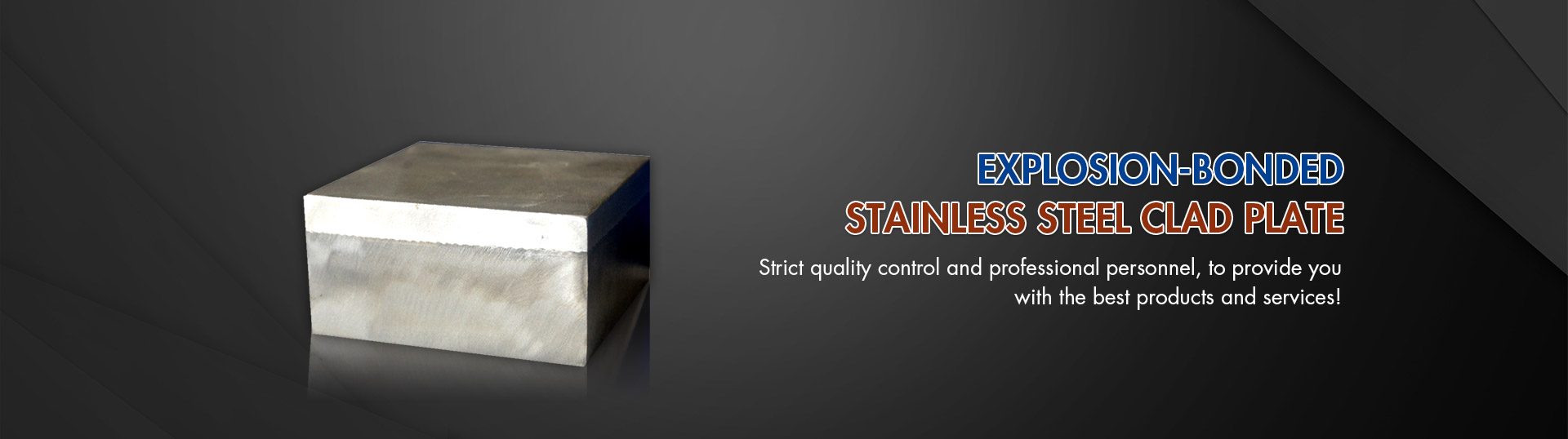
The manufacturing process for C276 Clad Plate involves bonding a layer of Hastelloy C276 alloy to a base plate made of carbon steel or other metals. The cladding process can be achieved through a variety of techniques, including explosive bonding, roll bonding, and weld overlay. The resulting C276 Clad Plate provides the strength and durability of a base metal with the exceptional corrosion resistance of the Hastelloy C276 alloy.
One of the most notable features of C276 Clad Plate is its ability to withstand various corrosive environments, including acidic and alkaline solutions, chlorides, and oxidizing agents. This makes Hastelloy C276 Clad Plate an ideal choice for use in harsh environments where other materials may quickly corrode or fail.
Hastelloy C-276 plate is an austenitic nickel-molybdenum-chromium alloy, with a small but significant addition of tungsten, making it one of the most corrosion-resistant materials available for use in process industries. It demonstrates exceptional corrosion resistance in both oxidizing and reducing environments.
The alloy's high molybdenum and chromium content, combined with tungsten, grants it outstanding resistance to chloride stress corrosion cracking, pitting, crevice corrosion, and general corrosion. This makes Hastelloy C-276 ideal for applications where exposure to aggressive environments is a concern.
Hastelloy C-276 can perform in oxidizing atmospheres up to 1900°F (1038°C), though it is not suitable for highly oxidizing conditions, such as those encountered in concentrated nitric acid, due to its limited chromium content.
With a low carbon content, Hastelloy C-276 can be used in the as-welded condition without compromising its corrosion resistance. While it cannot be hardened through heat treatment, the alloy can be strengthened through cold working, exhibiting a higher work-hardening rate compared to austenitic stainless steels, which should be considered during processing.
Hastelloy C-276 is easy to weld and can be fabricated using standard techniques for austenitic stainless steels and nickel-based alloys.
Specifications
Hastelloy C276 clad steel plate consists of a nickel-based alloy cladding layer and a carbon steel or low-alloy steel base.
| Product Type | Hastelloy C276 ASTM B575 Sheet, Hastelloy C276 ASTM B575 Plate |
| Specification | ASTM B575 / ASME SB575 |
| Tolerances (width / thickness) | EN 10258/ DIN 59381)EN 10151 2.4819 Hastelloy C-276 Strips EN 10088 Hastelloy C276 SB575 strips |
| Dimensions | Cold rolled Alloy C276 Plates 0.5-6.4 mm Hot rolled Alloy C276 Plates 3.0–10.0 mm |
| Thickness | 0.1 to 100 mm |
| Width | 10-2500mm |
| Length | 2m, 2.44m, 3m, or as per you require |
| Surface treatment | SATIN, 2B, 2D, BA NO (8), Cold rolled sheet (CR), Hot rolled plate (HR), No.1 finish hot rolled, 1D, No.4, BA, 8K, hairline, brush, mirror etc. |
| Hardness | Soft, Hard, Half Hard, Quarter Hard, Spring Hard |
| variety of shapes | Coils, Foils, Plates, Sheet, Strip, Plain Sheet, Checker Plates, Rolling Sheet, Flats, Clad Plates, Flat Sheet, Shim Sheet, Rolls, Blank (Circle), Rolling Plates, Flat Shim, soft annealed, descaled, tread Plates, sheared, annealed |
| ASTM B575 N10276 Alloy C276 Plates Hs Code | 75062000 |
Selecting Hastelloy C276 clad steel plate requires consideration of both the corrosion-resistant cladding and the structural base material. The material combination should be evaluated against the actual operating environment and equipment design requirements.
Important considerations include:
◆ Chemical Composition: Identify the process chemicals, their concentrations and any potentially aggressive impurities in the operating medium.
◆ Operating Temperature: Evaluate the service temperature and possible temperature fluctuations, as corrosion behavior can change with temperature.
◆ Operating Pressure: Select the steel base material according to the pressure vessel or equipment design requirements.
◆ Corrosion Conditions: Consider localized corrosion risks, including pitting, crevice corrosion and chloride-induced stress corrosion cracking.
◆ Fabrication Requirements: Account for forming, cutting, welding and other fabrication operations that may affect the clad structure and corrosion-resistant surface.
The selection of C276 clad steel plate should be based on the complete service conditions rather than the general industry application alone. The cladding alloy, base metal and composite construction must be compatible with the equipment design and operating environment.
Uses
Hastelloy C276 clad steel plate can be considered for industrial equipment exposed to aggressive chemical environments where corrosion-resistant cladding and a structural steel base are both required. Its application depends on the actual process medium, operating conditions and equipment design.

C276 Clad Plate is widely used in a variety of applications, including chemical processing equipment, flue gas desulfurization systems, pharmaceutical and food processing equipment, and pollution control systems. It is also used in the construction of heat exchangers, pressure vessels, and piping systems in the oil and gas industry.
1. Chemical Processing Equipment
Chemical reactors, process vessels and other chemical processing equipment may be exposed to oxidizing acids, reducing acids, chlorides and other aggressive chemicals. C276 cladding can provide corrosion resistance on the exposed surface when the alloy is compatible with the specific process medium.
2. Pressure Vessels and Reactors
Pressure vessels and reactors operating in corrosive environments may require a combination of corrosion-resistant surfaces and structural steel construction. Hastelloy C276 clad steel plate provides a composite material option for equipment designed around these requirements.
3. Industrial Heat Exchangers
Heat exchangers used in chemical and other industrial processes may encounter corrosive fluids, temperature variations and localized corrosion conditions. C276 clad plate can be considered for selected equipment components where the alloy's corrosion resistance is suitable for the process environment.
4. Environmental Protection Equipment
Wet scrubbers, FGD absorbers and flue gas treatment equipment can encounter acidic condensates, chloride-containing liquids and other corrosive conditions. Hastelloy C276 cladding may be considered for selected wetted sections where corrosion assessment supports its use.
For more information about clad plate applications in environmental protection equipment, explore our Environmental Engineering Solutions.
5. Oil and Gas Processing Equipment
Selected oil and gas processing equipment may be exposed to sour service conditions, chloride-bearing solutions and aggressive process chemicals. Hastelloy C276 is known for its resistance to sulfide stress cracking and chloride-induced corrosion, making it a candidate cladding alloy for applications where these corrosion mechanisms are relevant.
The final material selection should always consider the actual operating medium, temperature, pressure and equipment fabrication requirements.
As an ASTM B575 / ASME SB575 compliant supplier of C276 Clad Plate, We offer clad products that meets rigorous standards for quality and performance. Our expertise in the field, combined with commitment to customer satisfaction, ensures that clients receive the highest quality C276 Clad Plate at a competitive price. For detailed information about C276 clad plates for sale, please contact us!
The selection of Hastelloy C276 clad steel plate involves both the cladding alloy material requirements and the requirements for the composite plate.
Two relevant ASTM standards address different aspects of this material construction:
ASTM A265 – Standard Specification for Nickel and Nickel-Base Alloy-Clad Steel Plate
ASTM A265 covers clad steel plate consisting of a carbon steel or low-alloy steel base with a continuously bonded nickel or nickel-base alloy layer on one or both sides. It addresses the requirements for the composite plate, including mechanical testing and cladding material requirements.
ASTM B575 – Standard Specification for Nickel-Chromium-Molybdenum Alloy Plate, Sheet and Strip
ASTM B575 covers several nickel-based alloys, including UNS N10276 (Hastelloy C276), for general corrosive service. It addresses the material requirements of the C276 alloy itself.
For Hastelloy C276 clad steel plate, ASTM A265 relates to the composite plate construction, while ASTM B575 relates to the nickel-based alloy material. The applicable standards and their editions should be specified and agreed upon in the order documentation.
The quality evaluation of nickel-based alloy clad steel plate involves both the base metal and the bonded cladding layer.
Relevant inspection and testing considerations may include:
· Cladding Chemical Composition: Verification of the nickel-based alloy composition against the specified material requirements.
· Base Metal Verification: Confirmation of the carbon steel or low-alloy steel grade.
· Bond Integrity: Evaluation of the bonding condition between the C276 cladding and steel base.
· Shear Strength Testing: Assessment of the shear strength of the composite interface.
· Tensile Testing: Evaluation of the specified mechanical properties of the composite plate
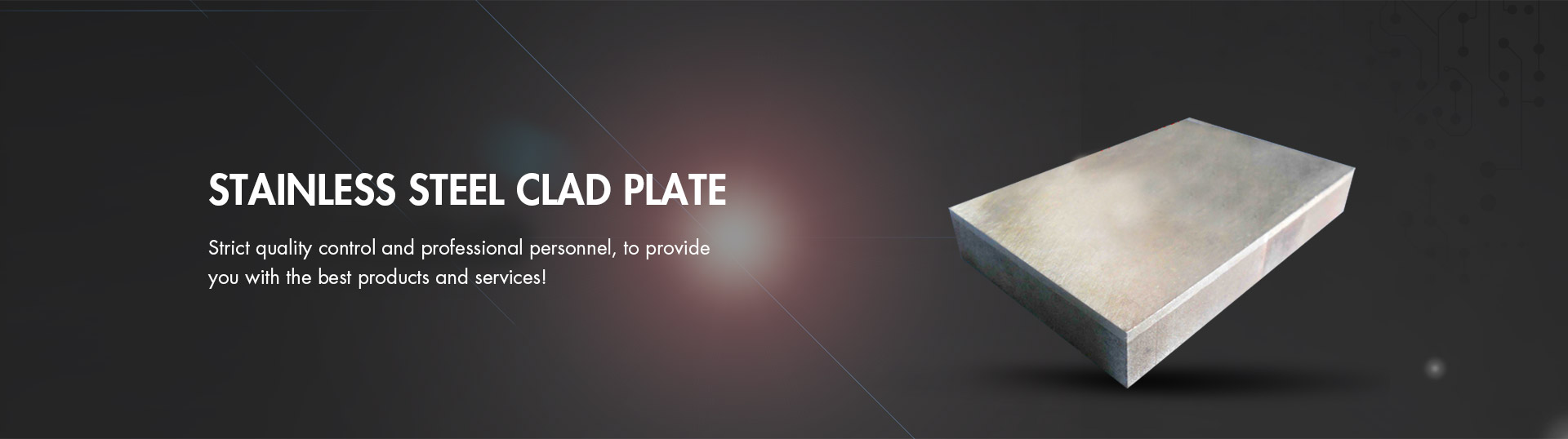
Hastelloy C276 clad steel plate is a composite plate consisting of a Hastelloy C276 nickel-based alloy cladding layer bonded to a carbon steel or low-alloy steel base. The C276 layer provides corrosion resistance, while the steel base provides the structural section of the plate.
Solid Hastelloy C276 plate is made entirely from the nickel-based alloy, whereas C276 clad steel plate combines a C276 alloy layer with a carbon steel or low-alloy steel base. The clad construction can reduce the amount of nickel-based alloy required while retaining a corrosion-resistant surface, subject to the design and service requirements.
Carbon steel and low-alloy steel are the base material categories used in this composite construction. The specific steel grade should be selected according to the equipment design, applicable standards, operating pressure and other project requirements.
ASTM A265 covers nickel and nickel-base alloy-clad steel plate, while ASTM B575 covers specified nickel-based alloy plate, sheet and strip materials, including UNS N10276. The applicable standards should be identified separately for the composite plate and C276 cladding material in the purchase specification.
The thickness of C276 clad steel plate involves three separate dimensions: the C276 cladding thickness, the steel base metal thickness and the total composite plate thickness. These values should be clearly specified in the technical drawings and order requirements.
No. Although Hastelloy C276 offers broad corrosion resistance, its suitability depends on the chemical composition and concentration of the process medium, operating temperature, contaminants and other service conditions. Material selection should be based on the actual corrosion environment rather than assuming universal compatibility.