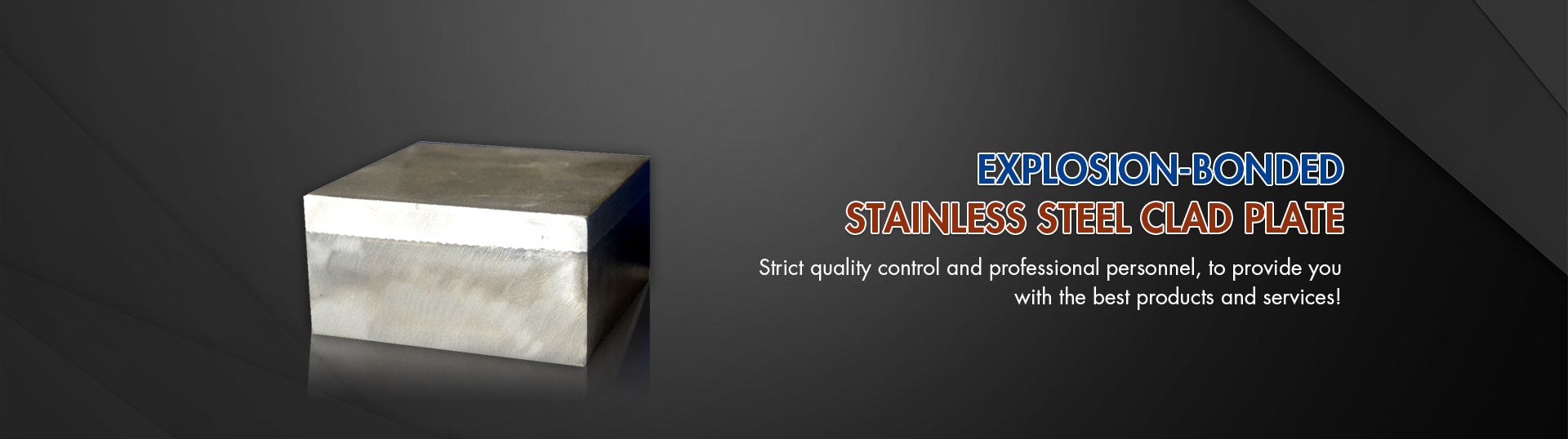
KLS supplies multi-layer clad metal for cookware manufacturers and commercial cooking equipment producers. Our product range includes stainless steel three-ply cookware raw materials, stainless steel clad teppanyaki plates, and titanium composite stockpots.
By combining stainless steel, aluminum, copper, carbon steel or titanium in a purpose-designed structure, cookware manufacturers can balance heat distribution, surface durability, corrosion resistance, magnetic compatibility, structural strength and production cost.
KLS can supply raw circles, clad plates, semi-finished cookware bodies and selected finished cookware products. Material grades, layer combinations, total thickness and dimensions can be customized according to your product design and forming requirements.
Need help choosing a material structure? Send us your drawing, required dimensions, heating method and expected order quantity for a technical review and quotation.

How to Choose the Right Cookware Clad Material
Select the Multi-Layer Cookware Materials for Different Applications according to the cookware type, heating method, production process and target market.
| Your Requirement | Recommended Solution | Why Choose It |
|---|
| General pots, pans and deep-drawn cookware | Stainless Steel 3-Ply Cookware Material | Stainless steel surfaces provide durability and corrosion resistance, while the aluminum core improves heat distribution. |
| Commercial teppanyaki grills, BBQ griddles and flat-top cooking equipment | Stainless Steel Clad Teppanyaki Plate | The stainless steel cooking surface resists blackening, while the carbon steel base provides strength and good magnetic performance. |
| Premium stockpots and differentiated cookware collections | Titanium Composite Stockpot | The titanium inner layer provides corrosion resistance, while the copper outer layer supports faster thermal response. |
Not sure which structure fits your product? Tell KLS your cookware type, heating method, dimensions, forming process and target cost. We can help evaluate the material combination, thickness and appropriate supply form.
Why Use Multi-Layer Clad Metal for Cookware?
A single metal does not always provide every property required by modern cookware. Multi-layer construction allows each layer to perform a specific function.
More Uniform Heat Distribution
Aluminum and copper layers transfer and spread heat more effectively than stainless steel alone, helping reduce localized hot spots across the cooking surface.
Durable Cooking Surfaces
Stainless steel or titanium can be selected for the food-contact surface to provide corrosion resistance, durability and easier maintenance.
Heating-System Compatibility
A magnetic stainless steel or carbon steel outer layer can be specified for induction-compatible cookware and commercial heating equipment. Compatibility should be confirmed according to the final layer structure and target cooking system.
Flexible Product Positioning
Different combinations of stainless steel, aluminum, copper, titanium and carbon steel allow manufacturers to develop cookware for cost-sensitive, professional or premium markets.
Production-Ready Supply Options
Depending on the product, KLS can provide raw cookware circles, customized plates, semi-finished formed bodies or finished cookware, reducing the amount of downstream processing required by the buyer.
Why Work with KLS?
Application-Based Material Selection
We help buyers select a suitable material combination based on heat transfer, corrosion resistance, magnetic performance, forming requirements and target product positioning.
Flexible Material and Thickness Options
The base material, cladding material, layer thickness and overall dimensions can be adjusted to suit different cookware and commercial grill designs.
Experience in Metal Clad Materials
KLS supplies composite metal materials for cookware as well as industrial applications, giving our team practical experience with different base metals, cladding materials and processing requirements.
Export-Oriented Project Support
We support specification confirmation, packaging requirements and international order communication from inquiry through delivery.