Choosing the right griddle plate material is one of the most important decisions when designing or purchasing a commercial flat-top griddle. The cooking plate directly affects heat distribution, temperature recovery, corrosion resistance, cleaning requirements, service life, and the overall cooking experience.
Two materials are frequently discussed: stainless steel and carbon steel.
However, the comparison is not as simple as asking which metal is better. In many traditional commercial griddles, the equipment housing is stainless steel while the actual cooking plate is polished or cold-rolled carbon steel. This design is common because the two materials serve different purposes. Carbon steel provides useful thermal performance for the cooking surface, while stainless steel provides corrosion resistance and easy cleaning for exposed equipment components.
Today, clad-metal technology provides another option. Instead of choosing only solid stainless steel or bare carbon steel, equipment manufacturers can combine different metals into a composite cooking plate.
So which material is better for your commercial griddle?
The answer depends on how the equipment will be heated, operated, cleaned, and maintained.
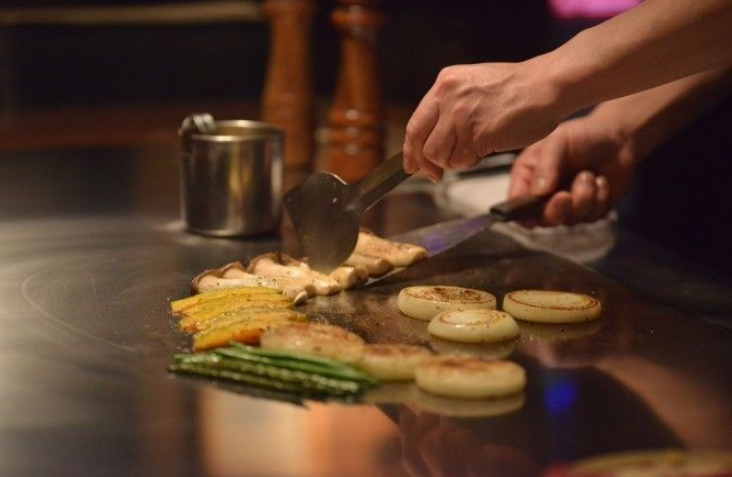
Carbon steel, including polished or cold-rolled mild steel, is widely used for commercial griddle cooking surfaces.
One of its main advantages is thermal performance. Compared with austenitic stainless steels such as 304, carbon steel generally transfers heat more effectively and provides substantial thermal mass when used as a thick cooking plate.
Once a heavy carbon steel griddle plate reaches operating temperature, it can store enough heat to handle repeated loading of cold food.
This is especially useful in high-volume kitchens preparing:
· Burgers
· Steaks
· Bacon
· Eggs
· Pancakes
· Seafood
· Vegetables
· Sandwiches and other grilled foods
Current commercial griddle buying guides continue to describe cold-rolled steel as a standard cooking-surface option because it combines heat retention, high-temperature capability, durability, and relatively economical manufacturing.
A conventional carbon steel cooking plate offers several practical benefits.
Good heat retention: Thick carbon steel stores substantial thermal energy. When cold meat or frozen food is placed on the surface, the plate can release stored heat into the food and reduce extreme temperature drops.
Suitable for high-temperature cooking: Carbon steel performs well for searing, browning, and other high-heat cooking processes commonly required in restaurants.
Seasoning capability: Bare carbon steel can develop a polymerized oil layer through seasoning. With proper maintenance, this layer can improve food release and protect the steel surface.
Mechanical durability: A commercial carbon steel plate can tolerate repeated use of metal spatulas and scrapers, making it practical in intensive food-service environments.
But these advantages come with maintenance requirements.
The biggest limitation of bare carbon steel is corrosion.
Unlike stainless steel, carbon steel does not contain enough chromium to form the same corrosion-resistant passive surface layer. If moisture remains on an untreated carbon steel surface, oxidation can occur.
For this reason, carbon steel griddles usually require:
· Initial seasoning
· Regular oiling
· Immediate drying after cleaning
· Protection against extended moisture exposure
· Care when cooking highly acidic foods
· Re-seasoning after aggressive cleaning
A mature seasoning layer can provide good cooking performance, but the surface condition depends strongly on operator maintenance.
For restaurants where the griddle is used every day, this may be manageable. For equipment manufacturers supplying hotels, institutional kitchens, catering operations, or international markets, however, ease of maintenance can become a major purchasing consideration.
Stainless steel solves many of the maintenance challenges associated with bare carbon steel.
A stainless cooking surface provides:
Grades such as 304 stainless steel provide strong resistance to normal kitchen moisture, many food environments, and routine washing.
A stainless surface does not depend on a seasoning layer for corrosion protection. This can simplify the cleaning process, especially where operators want a bright, clean metal surface.
Bare carbon steel naturally changes appearance as it develops seasoning and experiences repeated heating. A stainless cooking surface can retain a cleaner appearance under normal operating conditions.
Stainless steel is already widely used throughout commercial food equipment because of its durability and cleanability.
This is why stainless steel is heavily used for griddle bodies, splash guards, grease trays, work surfaces, and other exposed areas.
However, using solid stainless steel for a thick commercial griddle plate introduces another problem.
The major limitation is thermal conductivity.
304 stainless steel does not spread heat as quickly as carbon steel, and it performs very differently from highly conductive metals such as aluminum.
If gas burners or electric heating elements are positioned underneath a large solid stainless steel plate, heat can remain relatively concentrated above the individual heat sources.
This may increase the difference between:
· Areas directly above the heater
· Spaces between heating elements
· The center of the cooking surface
· The edges of the plate
For a commercial griddle manufacturer, this matters because customers are not simply buying a corrosion-resistant metal surface. They expect the entire cooking area to perform consistently.
A solid stainless steel plate may therefore solve one problem—maintenance—while creating a thermal-design challenge.
This is where clad materials become useful.
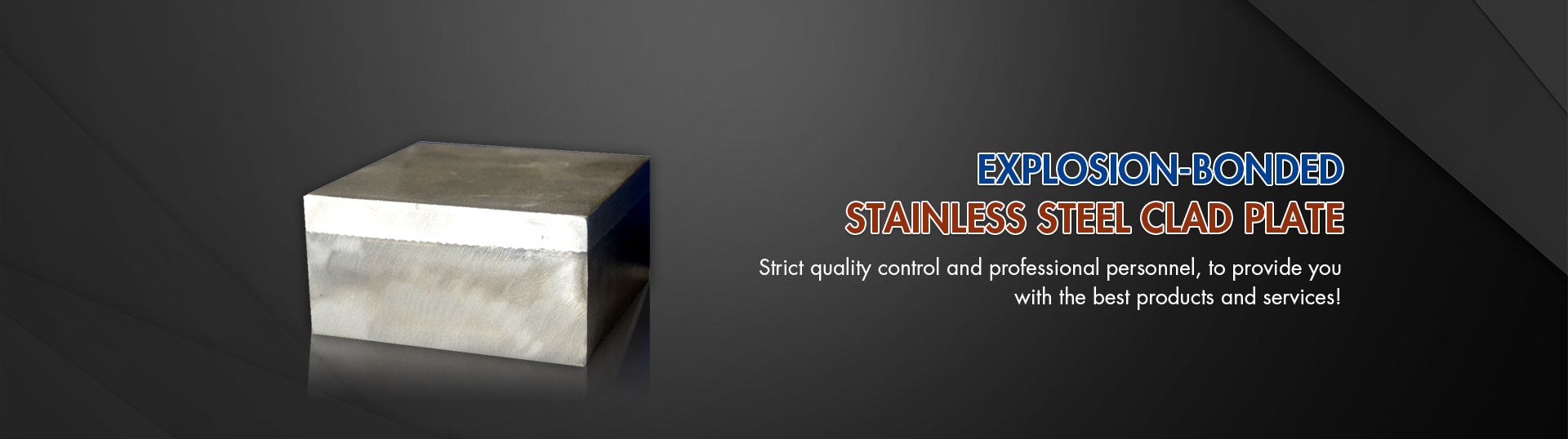
Instead of using bare carbon steel, manufacturers can bond a stainless steel layer to a carbon steel base.
This creates a composite structure in which the two metals perform different functions.
The stainless steel surface provides corrosion resistance and easier cleaning, while the carbon steel base contributes structural strength, thermal mass, and magnetic properties.
For heavy-duty teppanyaki equipment, this can be particularly useful.
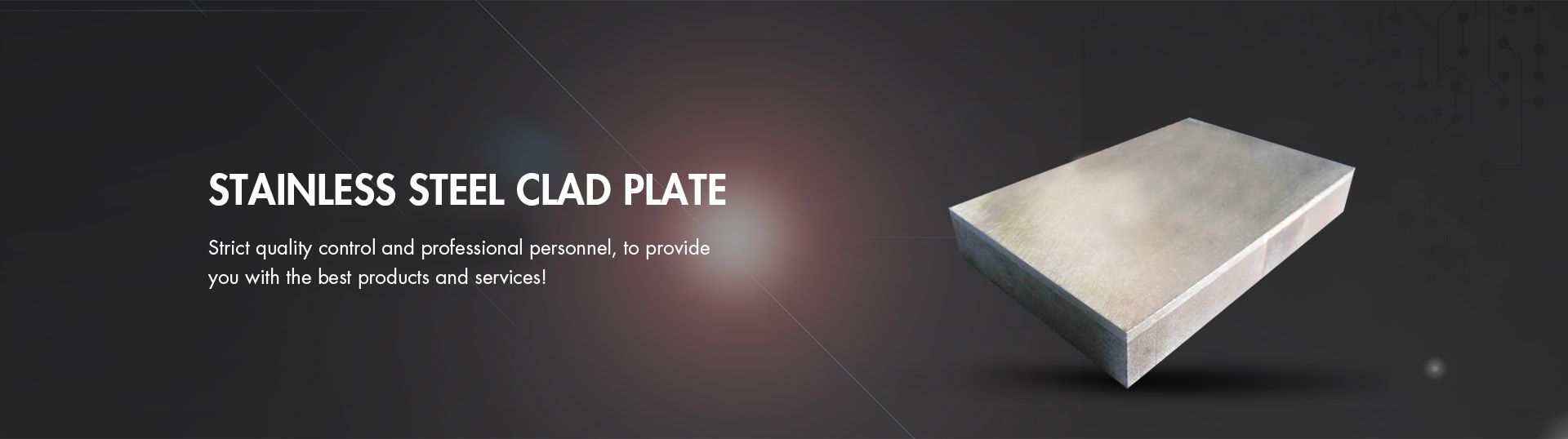
KLS supplies a stainless steel clad teppanyaki plate using stainless steel as the clad cooking surface and carbon steel as the base material. This construction is designed for applications where manufacturers need a durable stainless surface together with the mass and magnetic characteristics of a steel base.
This approach addresses an important point:
Commercial griddle material selection does not have to mean choosing one metal only.
Another approach is an SS-Al-SS three-layer structure.
In this configuration:
Layer | Material | Primary Function |
Top layer | Stainless steel | Cooking surface, corrosion resistance and cleaning |
Core layer | Aluminum | Fast lateral heat distribution |
Bottom layer | Stainless steel | Backing and structural function |
The biggest difference is the aluminum core.
Aluminum has much higher thermal conductivity than either stainless steel or carbon steel. When placed inside a composite griddle plate, it can help move heat laterally away from concentrated heating zones.
This makes SS-Al-SS 3-ply clad plate for commercial griddles particularly relevant for equipment where rapid and uniform heat distribution is an important design objective.
Rather than exposing aluminum directly to food, the aluminum remains inside the composite structure while stainless steel forms the external cooking surface.
The differences become clearer when the options are compared by application.
Factor | Bare Carbon Steel | Solid Stainless Steel | Stainless-Clad Carbon Steel | SS-Al-SS Clad Plate |
Corrosion resistance | Lower | High | High on clad surface | High on stainless surface |
Heat distribution | Good | Relatively slower | Moderate | Fast and more uniform |
Thermal mass | High with thick plate | Depends on thickness | High | Depends on structure |
Seasoning required | Yes | No | Generally not on stainless surface | No |
Daily maintenance | Higher | Lower | Lower | Lower |
Surface blackening | Common | Lower | Lower | Lower |
Magnetic properties | Good | Depends on stainless grade | Strong due to carbon steel base | Depends on backing grade |
Weight | Heavy when thick | Medium to heavy | Heavy | Relatively lighter at similar dimensions |
Typical strength | High | Good | High | Application-dependent |
Best design focus | Traditional heavy-duty griddle | Simple corrosion-resistant surface | Heavy-duty teppanyaki / magnetic heating | Fast and uniform heat distribution |
There is therefore no universal winner.
The correct material depends on the equipment design.
Gas griddles typically use multiple burners beneath the cooking plate.
For conventional heavy-duty restaurant equipment, thick carbon steel can provide excellent thermal mass and reliable performance.
However, manufacturers seeking a stainless cooking surface without the maintenance requirements of bare carbon steel may consider either stainless-clad carbon steel or an SS-Al-SS construction.
The decision depends on whether thermal mass or rapid lateral heat spreading is the higher priority.
Electric griddles introduce heat at specific locations through heating elements.
Because those heat sources are concentrated, lateral heat distribution becomes particularly important.
An aluminum-core clad plate can help spread heat away from individual elements and reduce pronounced hot zones across the cooking surface.
For this type of application, plate thickness, aluminum-core thickness, heater spacing, watt density, temperature controls, and sensor position should all be evaluated together.
Teppanyaki equipment can have very different design requirements from a standard restaurant countertop griddle.
A heavy teppanyaki table may prioritize:
· Large plate dimensions
· Structural rigidity
· High thermal mass
· Stable operating temperature
· Magnetic or induction heating compatibility
· Long service life
For these requirements, a stainless-clad carbon steel plate may offer advantages because the carbon steel base provides mass, strength, and magnetic conductivity while the stainless surface improves corrosion resistance and cleaning.
Manufacturers should therefore avoid selecting the plate only according to the cooking-surface material.
The complete plate structure matters.
Before specifying a griddle plate, consider the following questions.
Gas burners, electric resistance heaters, radiant heating, and induction systems interact differently with different metals.
If reducing temperature variation across a large plate is a priority, the internal heat-distribution layer becomes particularly important.
Heavy-duty cooking applications may benefit from a thicker steel-based plate that stores more thermal energy.
If easy cleaning and corrosion resistance are priorities, an exposed stainless cooking surface offers clear advantages over untreated carbon steel.
Carbon steel is magnetic. Austenitic stainless steels such as 304 are generally not suitable as the only magnetic heating layer, so the complete composite structure must be designed around the heating system.
Large commercial cooking surfaces behave differently from small cookware. Plate size, total thickness, layer ratio, structural support, and thermal expansion all need to be considered.
Manufacturers evaluating several constructions can review KLS's range of multi-layer cooker and clad cooking materials to compare different composite structures.
Not in every situation.
If the priority is a traditional, heavy-duty commercial cooking plate with strong heat retention and a surface that can be seasoned, carbon steel remains a practical choice.
If corrosion resistance, cleanability, and reduced surface maintenance are more important, stainless steel offers significant advantages.
If manufacturers want to combine the advantages of multiple metals, however, clad materials provide another option.
A stainless-clad carbon steel plate can combine a stainless cooking surface with the mass and magnetic properties of carbon steel.
An SS-Al-SS plate can combine a stainless cooking surface with an aluminum heat-distribution core.
The most suitable solution should therefore be selected according to heating method, plate dimensions, thermal response, maintenance requirements, surface requirements, and equipment design—not simply by comparing stainless steel and carbon steel as isolated materials.
The commercial griddle industry has traditionally relied heavily on carbon steel cooking plates for good reason: they are durable, retain heat well, tolerate high cooking temperatures, and can develop an effective seasoned surface.
Stainless steel offers a different set of advantages, particularly corrosion resistance, cleanability, and surface appearance. Its lower thermal conductivity, however, means that solid stainless steel is not automatically the best answer for every commercial griddle.
Composite metals make it possible to engineer the plate around the equipment instead of accepting the compromises of a single metal.
For commercial griddle, teppanyaki, and flat-top cooking equipment manufacturers, KLS provides custom stainless steel–aluminum–stainless steel and stainless-clad carbon steel materials with customizable plate sizes, thicknesses, layer ratios, and material combinations for different heating-system requirements.