In modern industrial equipment manufacturing, material selection directly affects service life, safety, maintenance cost, and overall project investment. For equipment that must withstand corrosion, pressure, high temperature, abrasion, or harsh chemical media, pure stainless steel is often an excellent but expensive solution. This is why stainless steel composite plates, also widely known as stainless steel clad plates, have become an important material choice in petrochemical, power equipment, food processing, paper making, salt production, alkali production, water conservancy, and many other industries.
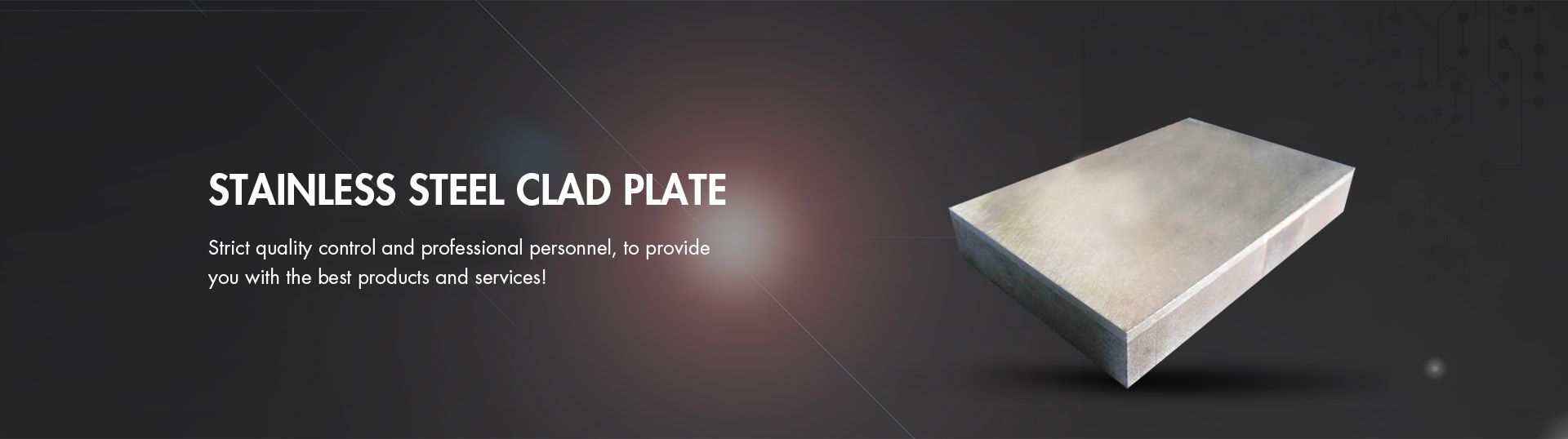
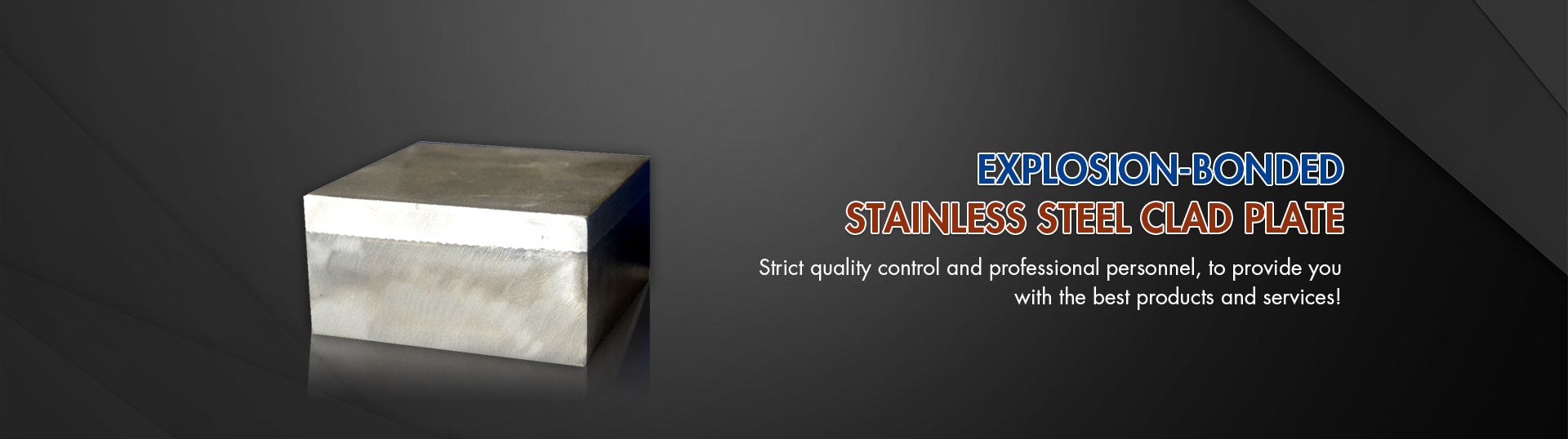
A stainless steel composite plate is a bimetallic or multi-metal composite material made by bonding a stainless steel cladding layer to a base metal layer such as carbon steel, pressure vessel steel, or low alloy steel. Depending on the working environment, the cladding layer can be stainless steel, titanium, copper, aluminum, or other corrosion-resistant metals. The base layer usually provides strength, rigidity, weldability, and structural support, while the cladding layer provides corrosion resistance, wear resistance, cleanliness, heat transfer performance, or special chemical resistance.
Common cladding materials include 304, 304L, 316L, 321, 317L, 904L, 2205 duplex stainless steel, 0Cr13AL, 1Cr13, titanium, copper, and aluminum. Common base materials include Q235, Q345R, Q245R, 15CrMoR, and other carbon steel or pressure vessel steel grades. Through rolling bonding, explosion bonding, or other composite processes, the two materials are integrally bonded to form a plate that combines the advantages of both metals.
The core value of stainless steel composite plates lies in material optimization. In many industrial applications, only the surface of the equipment is exposed to corrosive media, while the internal structural strength mainly depends on the plate body. Using solid stainless steel for the entire thickness may be unnecessary and costly. A stainless steel clad plate solves this problem by placing stainless steel only where corrosion resistance is needed and using carbon steel or low alloy steel as the load-bearing base.
This structure allows users to achieve the corrosion resistance of stainless steel while maintaining the mechanical strength and welding performance of carbon steel. As a result, stainless steel composite plates are especially suitable for tanks, towers, reactors, heat exchangers, pressure vessels, evaporators, pipes, storage equipment, and other industrial components that require both durability and cost control.
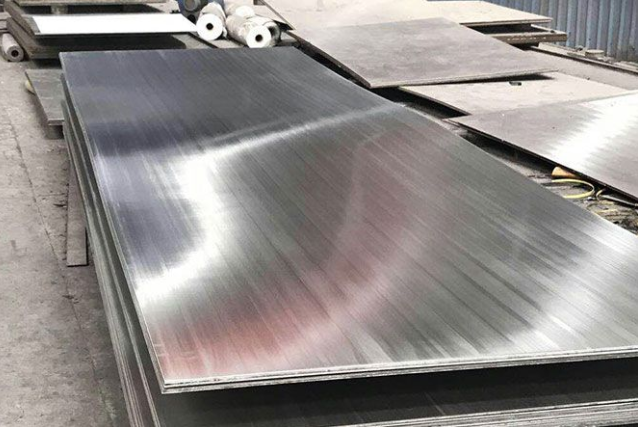
One of the biggest advantages of stainless steel composite plates is cost efficiency. Stainless steel is much more expensive than ordinary carbon steel, especially when high-grade stainless steels such as 316L, 317L, 904L, or duplex stainless steel 2205 are required. If the whole plate is made from solid stainless steel, the material cost can be very high.
A composite plate greatly reduces the consumption of stainless steel. The stainless steel layer is only applied to one side or both sides of the base material according to the application requirements. The base layer uses lower-cost carbon steel or pressure vessel steel to provide thickness and strength. This design significantly reduces material costs while still meeting corrosion resistance requirements.
For large-scale equipment such as storage tanks, chemical vessels, desalination equipment, power plant components, and paper-making machinery, even a small reduction in stainless steel usage can bring major savings. This makes stainless steel composite plates an economical alternative to pure stainless steel plates.
The cladding layer gives stainless steel composite plates excellent resistance to corrosion from acids, alkalis, salts, humidity, industrial gases, seawater, and various chemical media. Different stainless steel grades can be selected according to the working environment. For example, 304 stainless steel is suitable for general corrosion resistance, 316L provides better resistance to chloride-containing environments, 321 is suitable for higher-temperature applications, and 2205 duplex stainless steel offers high strength and excellent resistance to stress corrosion cracking.
In industries such as petrochemical, alkali production, nitrate production, salt production, and papermaking, equipment often comes into contact with corrosive liquids or gases. The stainless steel cladding layer protects the base steel from corrosion, helping to extend equipment service life and reduce maintenance frequency.
While stainless steel provides surface protection, the base material gives the composite plate strong mechanical support. Carbon steel, low alloy steel, and pressure vessel steel have high strength, good toughness, and stable load-bearing performance. This makes stainless steel composite plates suitable for large equipment that must withstand pressure, impact, bending, thermal stress, and long-term operation.
For pressure vessels, boilers, reactors, and storage tanks, the base metal can be selected according to design pressure, temperature, and mechanical requirements. Materials such as Q345R, Q245R, and 15CrMoR are commonly used in pressure equipment because of their strength and weldability.
Another important advantage of stainless steel composite plates is their good fabrication performance. The carbon steel or low alloy steel base layer has excellent weldability and is easier to process compared with many high-alloy stainless steels. It can be cut, bent, rolled, welded, drilled, and formed according to project requirements.
During equipment manufacturing, welding procedures should be carefully designed to maintain the corrosion resistance of the stainless steel layer and the strength of the base layer. Proper welding materials, groove design, and heat input control help ensure stable bonding performance and long-term equipment reliability.
Stainless steel composite plates can also provide good wear resistance and heat transfer performance. In some applications, the stainless steel surface helps resist abrasion caused by flowing media, powders, slurry, or solid particles. In heat exchange equipment, clad plates can combine corrosion resistance with efficient heat transfer, making them suitable for heat exchangers, condensers, evaporators, and other thermal equipment.
When copper, titanium, or aluminum is selected as the cladding material, the composite plate can provide additional properties such as higher thermal conductivity, stronger seawater corrosion resistance, or lighter weight, depending on the application.
The petrochemical industry is one of the most important application fields for stainless steel composite plates. Equipment such as reactors, towers, separators, storage tanks, pressure vessels, heat exchangers, and pipelines often handles corrosive hydrocarbons, acids, alkalis, salts, and high-temperature media.
Using stainless steel clad plates can reduce the use of expensive solid stainless steel while ensuring that the surface in contact with the medium has reliable corrosion resistance. This makes them suitable for oil refining, chemical processing, fertilizer production, coal chemical equipment, and other demanding environments.
In power plants and energy equipment, stainless steel composite plates are used in boilers, heat exchangers, condensers, desulfurization equipment, pressure vessels, and flue gas treatment systems. These systems often operate under high temperature, high pressure, and corrosive gas conditions.
The stainless steel layer helps resist corrosion from flue gas, condensate, sulfur-containing compounds, and other aggressive media, while the carbon steel base provides the required mechanical strength. This combination improves equipment durability and reduces long-term maintenance costs.
In grain processing, sugar production, and food-related industries, equipment surfaces must be clean, corrosion-resistant, and easy to maintain. Stainless steel composite plates can be used for storage containers, processing equipment, tanks, and conveying systems.
Compared with ordinary carbon steel, the stainless steel surface is more hygienic and resistant to rust. Compared with solid stainless steel, the composite plate offers a more economical option for large equipment and production lines.
Alkali production, nitrate production, salt production, and sugar production all involve corrosive media, high moisture, crystallization, evaporation, and chemical reactions. Equipment in these industries must resist corrosion while maintaining strong structural stability.
Stainless steel composite plates are often used in evaporators, crystallizers, storage tanks, reaction vessels, and process containers. The stainless steel layer protects the equipment surface from corrosion, while the base material ensures strength and cost control.
Water conservancy and environmental protection projects often require large metal structures that are exposed to water, humidity, salts, sediments, or industrial wastewater. Stainless steel composite plates can be used in water treatment equipment, desalination systems, gates, tanks, pipes, and environmental engineering facilities.
For projects involving seawater or chloride-containing water, stainless steel grades such as 316L, 904L, or duplex stainless steel can be selected to improve corrosion resistance. This helps extend equipment life in harsh water environments.
The papermaking industry uses large amounts of water, chemicals, steam, and pulp slurry. Equipment such as digesters, bleaching towers, storage tanks, dryers, and pulp processing vessels must resist corrosion and abrasion.
Stainless steel composite plates provide a durable surface for contact with pulp, chemicals, and process water. At the same time, the carbon steel base ensures enough strength for large-scale industrial equipment.
Stainless steel composite plates are produced according to different manufacturing processes and standards. For rolled stainless steel composite plates, GB/T 8165-2008 is commonly referenced. For explosion-bonded composite plates, NB/T 47002.1-2009 is commonly used.
In general, the thickness of the cladding material should be no less than 0.8 mm. The base material is usually more than three times the thickness of the stainless steel cladding layer, although the maximum total thickness can be designed according to project requirements. The final specification should be selected based on working pressure, corrosion conditions, temperature, equipment size, welding process, and design standards.
When selecting stainless steel composite plates, buyers should consider the working medium, corrosion level, operating temperature, pressure, equipment structure, welding requirements, and service life expectations. For general corrosion environments, 304 or 304L may be suitable. For chloride-containing or more corrosive environments, 316L, 317L, 904L, or 2205 duplex stainless steel may be a better choice. For special conditions involving seawater, strong chemicals, or high thermal conductivity requirements, titanium, copper, or aluminum cladding can also be considered.
The base material should be selected according to strength, pressure resistance, and fabrication requirements. Q235 may be used for general structural applications, while Q345R, Q245R, or 15CrMoR may be selected for pressure vessels or high-temperature equipment.
Stainless steel composite plates offer an effective balance between performance and cost. By combining the corrosion resistance, wear resistance, and surface performance of stainless steel with the strength, weldability, and lower cost of carbon steel or low alloy steel, they provide a practical solution for many demanding industrial applications.
From petrochemical plants and power equipment to grain processing, salt production, sugar production, water conservancy, and papermaking, stainless steel composite plates help manufacturers build equipment that is durable, economical, and suitable for harsh working environments. For projects that require corrosion resistance without the high cost of solid stainless steel, stainless steel composite plates are one of the most valuable material choices.