Are you looking for a durable, cost-effective metal that can handle busy kitchens, modern interiors, or your next project without stretching your budget? 201 stainless steel may be exactly what you need.
Known for its solid performance and affordability, this versatile alloy is a popular choice among manufacturers, contractors, and DIY enthusiasts.
201 stainless steel isn’t limited to large-scale industrial use—it’s equally well-suited for practical applications in homes, restaurants, vehicles, and small businesses.
This grade delivers excellent toughness at low temperatures. While it is non-magnetic in the annealed condition, it may develop slight magnetism after cold working.
For demanding environments, 201N stainless steel offers enhanced performance. This low-carbon, nitrogen-treated variant is designed for sub-zero applications down to −320°F.
With a well-balanced composition of chromium for corrosion resistance and manganese for strength, 201 stainless steel provides reliable everyday durability. Although it contains less nickel than higher-end “restaurant-grade” stainless steels, it delivers impressive strength and performance—at a significantly lower cost, making it an excellent value choice.
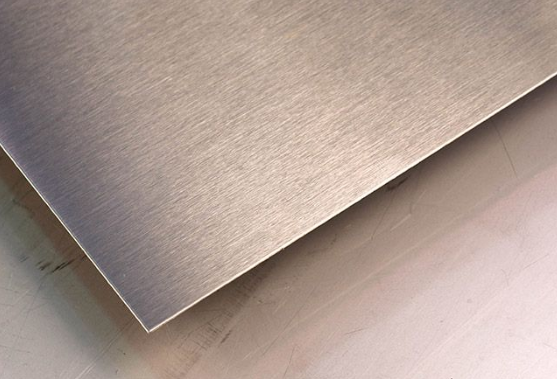
Built for Real-World Durability: Ideal for sinks, cookware, trims, and fixtures that can withstand daily wear without denting easily, while maintaining a clean, modern appearance.
Cost-Effective Choice: Enjoy the attractive look of stainless steel without the high price of premium grades, allowing you to allocate your budget where it matters most.
Reliable for Indoor Applications: Well suited for indoor furniture, kitchen appliances, and storage tanks, especially in environments where exposure to moisture, chemicals, or heavy corrosion is limited.
Do you really need the highest-grade stainless steel available? 304 stainless steel is one of the most commonly used grades and serves as a reliable benchmark for comparison. Below is a straightforward side-by-side look at how 201 and 304 stainless steel stack up.
Feature | 201 Stainless Steel | 304 Stainless Steel |
Nickel Content | Lower (budget-friendly) | Higher (costs more) |
Corrosion Resistance | Great for mild, indoor spaces | Excellent—handles outdoors and chemicals |
Strength | Tough and hard; ideal for high-traffic jobs | Softer, easier for complex shapes |
Best For | Kitchens, décor, trim, savings | Outdoor, marine, or harsh labs |
For most indoor, decorative, and light industrial applications, 201 stainless steel delivers dependable performance while keeping costs down—making it an excellent balance of quality and value without unnecessary expense.
Beyond their differences in chemical composition—which we’ll cover below—SAE 201 and SAE 304 stainless steel also show subtle visual distinctions. Due to its slightly lower chromium content and higher manganese content, SAE 201 may appear marginally darker than SAE 304.
That said, these visual differences are minimal and usually only noticeable when the two materials are placed side by side.
While both grades contain chromium and nickel, they belong to different alloy families, which defines their performance characteristics.
SAE 304 stainless steel is an austenitic chromium–nickel alloy, typically composed of:
· 18–20% chromium
· 8–10% nickel
· ≤0.08% carbon
This composition provides excellent corrosion resistance and overall stability, making 304 one of the most widely used stainless steel grades.
SAE 201 stainless steel, on the other hand, belongs to the chromium–manganese–nickel alloy group. It features:
· 16–18% chromium
· 3.5–5.5% nickel
· 5.5–7.5% manganese
· Up to 0.15% carbon
The higher manganese and lower nickel content make SAE 201 more cost-effective while maintaining acceptable strength and formability.
Both SAE 201 and SAE 304 rely on chromium and nickel to achieve corrosion resistance. However, SAE 304 contains higher levels of these key alloying elements, resulting in superior resistance to corrosion, especially in humid, acidic, or chemically aggressive environments.
As a result, SAE 304 is preferred for hygienic and food-contact applications, such as food-processing equipment, medical devices, and stainless steel water bottles.
While some manufacturers use SAE 201 for insulated water bottles, this is generally not recommended, as its lower corrosion resistance can pose durability and safety concerns when exposed to moisture over long periods.
SAE 201 stainless steel is generally harder and more rigid than SAE 304, but it offers lower fatigue resistance and overall mechanical performance.
SAE 304 stainless steel, by contrast, provides:
· Better ductility
· Higher fatigue resistance
· Improved long-term mechanical stability
The main advantage of SAE 201 lies in its lower cost, good low-temperature performance, and suitability for indoor or low-corrosion environments. Common applications include:
· Door handles and trim
· Fixtures and jigs
· Indoor structural and decorative components
· Choose the Right Form: Available in sheets, plates, coils, and a wide range of long products—select the format that best suits your application.
· Select the Proper Finish: For a high-gloss appearance, opt for Mirror or 2B finishes. For kitchen equipment and work surfaces, a No. 4 brushed finish offers both practicality and style.
· Verify Quality: Always request certifications and mill test reports to ensure material authenticity and consistent quality. (We’re happy to provide full documentation.)
201 stainless steel requires minimal upkeep. Regular cleaning with mild soap and water keeps it looking new. Avoid bleach-based cleaners, and always rinse thoroughly after exposure to salty or acidic substances.
Ready to Start Your Project?