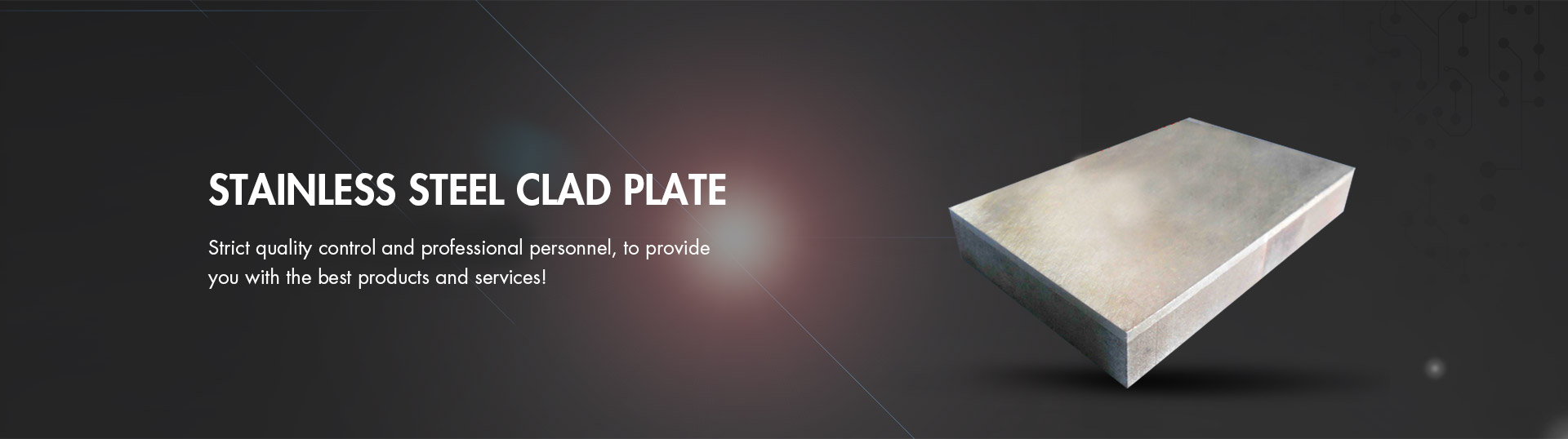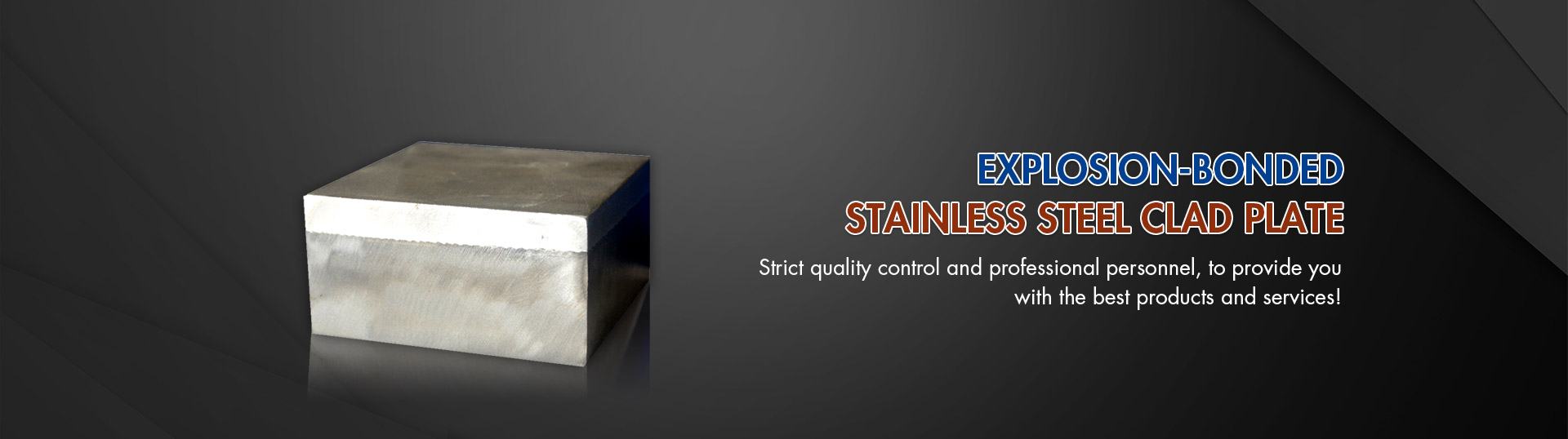
KLS supplies SS-Al-SS 3-ply thick clad plate for teppanyaki and commercial griddles, with a 304 surface, even heat transfer and custom sizes.
Overview
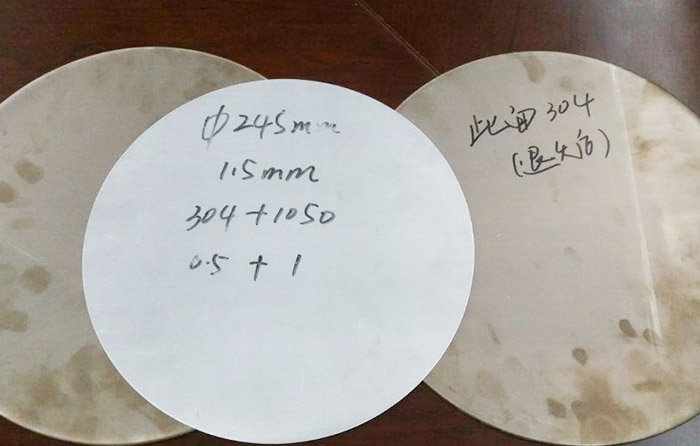
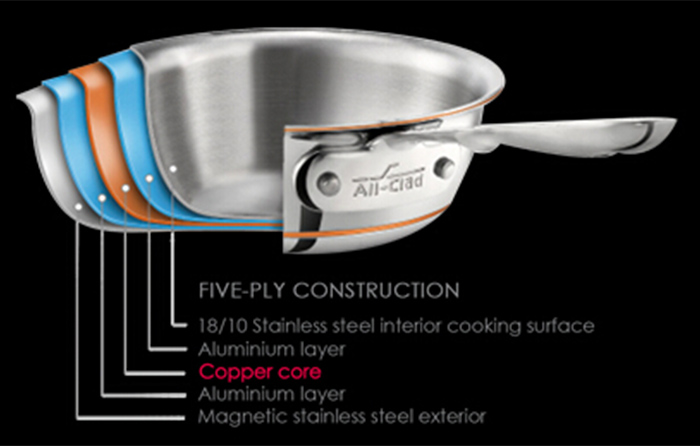
The KLS stainless steel aluminum clad plate is a three-layer composite material developed for applications requiring both a clean stainless steel surface and efficient heat distribution. An SS-Al-SS clad plate is a three-layer composite metal plate consisting of a stainless steel cooking surface, a heat-conductive aluminum core and a stainless steel backing layer. The three metals are permanently bonded to form one integrated plate rather than being mechanically stacked or joined with adhesive.
Compared with a solid stainless steel plate, the aluminum core transfers heat laterally across the cooking surface more efficiently, helping reduce hot spots and temperature differences between the center and edges of the griddle. Compared with an untreated carbon steel cooking plate, the 304 stainless steel surface provides better corrosion resistance, improved resistance to blackening and easier daily cleaning.
This SS-Al-SS clad plate is supplied as raw material for manufacturers of:
◆ Commercial flat-top griddles
◆ Teppanyaki cooking equipment
◆ Electric griddle plates
◆ Gas-heated griddle plates
◆ Restaurant cooking stations
◆ Hotel and catering kitchen equipment
◆ Food-processing heating plates
For other corrosion-resistant composite metal applications, view our complete range of stainless steel clad plates.

KLS manufactures stainless steel–aluminum–stainless steel clad plates for commercial griddles, teppanyaki equipment and flat-top grill manufacturers. The three-layer structure combines a corrosion-resistant 304 stainless steel cooking surface with a heat-conductive aluminum core and a durable stainless steel backing layer.
The aluminum core helps distribute heat quickly and evenly across the cooking area, while the 304 stainless steel surface resists staining and blackening better than untreated carbon steel under normal cooking conditions. With no spray coating on the cooking surface, this 3-ply thick clad plate provides a hygienic, durable and easy-to-maintain material solution for commercial cooking equipment.
◆ 304 stainless steel cooking surface
◆ Aluminum core for rapid and uniform heat distribution
◆ Stainless steel backing layer
◆ No sprayed non-stick coating
◆ Custom thicknesses, sizes and layer ratios
◆ Bulk supply for griddle and teppanyaki equipment manufacturer
The performance of the plate comes from combining three functional metal layers into one integrated structure.
| Layer | Material | Main Function |
|---|---|---|
| Cooking Surface | 304 Stainless Steel | Provides a hygienic, corrosion-resistant and easy-to-clean food-contact surface |
| Heat Distribution Core | Aluminum | Spreads heat rapidly across the plate and helps reduce localized hot spots |
| Backing Layer | Stainless Steel | Provides structural support and can be selected according to heating and fabrication requirements |
The stainless steel grades, aluminum grade, layer ratio and total thickness can be customized according to the griddle dimensions, heating system and required cooking performance.
Features
Widely used in different fields for its good strength,corrosion resistance and heat resistant,etc. It has an excellent heat conduction and goes without any spray coating.
*High strength and superior bio-compatibility
*non-toxic and light-weight
*Energy saving
*Safe and healthy cooking
*Anti-bacterial property
*Excellent heat transfer
*High quality life
*When cooking, This Stainless steel composite cookware can greatly reduce the emmision of smoke.
*The product is not easy to get scorched,body with scientific design ,which keeps the heat and nutrition of the food.
*Easy to clean--The body is shaped with smooth curve,easy to dump and clean.
*Inside finishing--inside the body,without sticking and easy to clean.
*Outside finishing--The body is polishing outside,high grade and durable
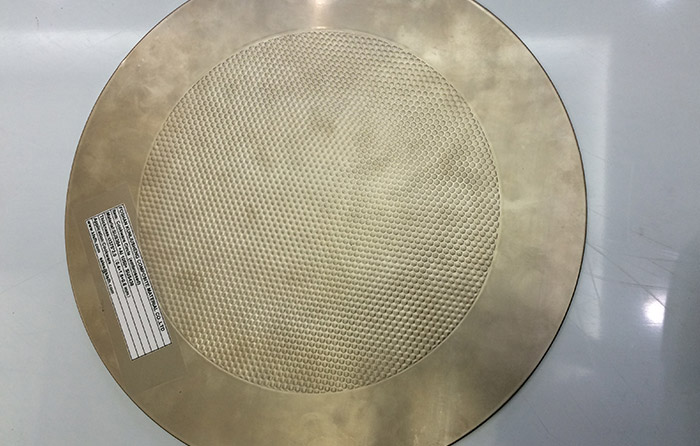
KLS supplies stainless steel aluminum clad plate as raw material for griddle, teppanyaki and commercial kitchen equipment manufacturers. The layer configuration can be adapted to different product designs rather than being limited to one standard cookware circle.
Customization options include:
◆ Cooking-surface stainless steel grade
◆ Aluminum-core grade
◆ Stainless steel backing grade
◆ Total plate thickness
◆ Individual layer thickness
◆ Stainless steel-to-aluminum ratio
◆ Plate length and width
◆ Surface finish
◆ Flat plate or custom-cut blank
◆ Export packaging requirements
KLS supplies stainless steel aluminum clad plate for commercial griddle, teppanyaki and flat-top grill manufacturers. Custom layer combinations, thicknesses, plate sizes and surface finishes are available for OEM and bulk purchasing requirements.
Specifications
| Product Details : | |
| Name | Stainless Steel 3 Ply / Stainless Steel–Aluminum–Stainless Steel Clad Plate (Raw Materials) |
| Model number | KLS-017 |
| Body thickness | 2.5mm or As per your requirement |
| Core Material | Aluminum, selected according to heat-transfer and fabrication requirements |
| Backing Layer | Stainless steel grade selected according to the heating system |
| Layer Structure | 304 Stainless Steel + Aluminum + Stainless Steel |
| Total Thickness | Customized according to application |
| Circle diameter | Φ435 or As per your requirement |
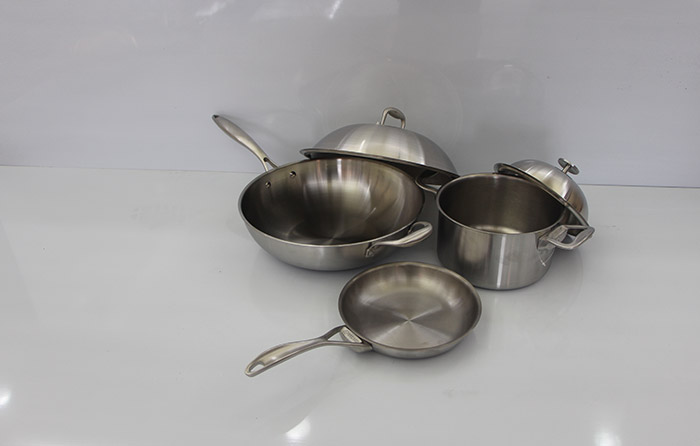
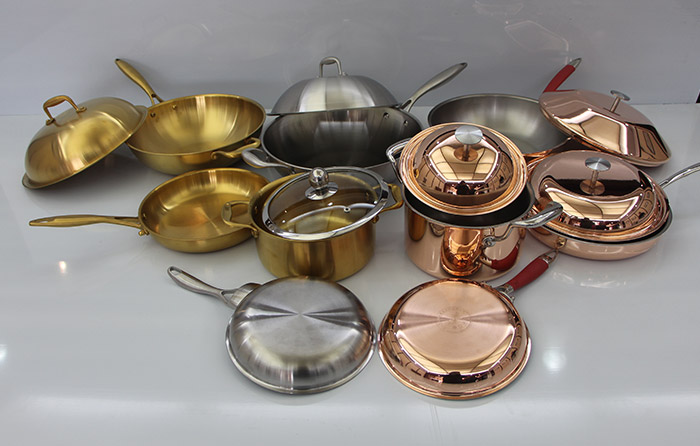
| Product form | 1.Half-finished goods-not including the cover and handle; 2.Raw material-only circle |
| Main Applications | Suitable for using on all gas stove and radiant cooker. Teppanyaki, commercial griddle and flat-top grill equipment |
| Packaging | Standard export packaging or customized packaging |
| Order Type | OEM, custom specification and bulk supply |
| Packaging | As per our clients requirements |
| Comparison | SS-Al-SS Clad Plate | Solid 304 Stainless Steel | 304-Clad Carbon Steel Plate |
|---|---|---|---|
| Cooking Surface | 304 stainless steel | 304 stainless steel | 304 stainless steel |
| Core or Base | Aluminum | None | Carbon steel |
| Heat Distribution | Fast and uniform | Relatively slow | Moderate |
| Heating Response | Fast | Slower | Moderate |
| Weight at Similar Size | Relatively light | Medium | Heavy |
| Surface Maintenance | Easy to clean | Easy to clean | Easy to clean on the clad surface |
| Magnetic Heating | Depends on backing grade | Must be verified | Supported by carbon steel base |
| Main Advantage | Heat spreading and temperature uniformity | Simple single-metal construction | Structural strength and thermal mass |
| Recommended Use | Commercial griddles requiring fast, even heating | General cooking plates | Heavy-duty teppanyaki and magnetic-heating equipment |
For heavy-duty teppanyaki equipment that prioritizes structural strength, plate mass and magnetic heating, view our 304 stainless steel clad carbon steel teppanyaki plate.
Uses
The 304 cooking surface provides a clean and corrosion-resistant working area, while the aluminum core helps maintain a more uniform temperature across large cooking zones.
The composite plate can be used in restaurant griddles for cooking steaks, burgers, seafood, vegetables, eggs, pancakes and other foods requiring consistent surface temperature.
The aluminum core spreads heat away from individual electric heating elements, helping reduce visible heating zones on the cooking surface.
For gas-heated equipment, the plate distributes heat from burners across a wider area and helps reduce localized hot spots.
The coating-free 304 stainless steel surface supports frequent cooking and cleaning in hotels, restaurants, canteens and catering kitchens.
Plate dimensions, thicknesses and layer ratios can be customized for countertop griddles, built-in cooking stations and specialized food-processing equipment.
Why is an aluminum core used in a griddle plate?
The aluminum core spreads heat laterally across the plate more quickly than solid stainless steel. This helps reduce localized hot spots and improves temperature uniformity across large cooking areas.
Does the 304 stainless steel surface turn black?
The 304 stainless steel surface resists oxidation, staining and blackening better than untreated carbon steel under normal cooking and cleaning conditions. However, excessive overheating, prolonged dry heating or improper maintenance may still cause surface discoloration, so the operating and cleaning instructions of the finished equipment should be followed.
Is the cooking surface coated?
No sprayed non-stick coating is required. The cooking surface is stainless steel, so there is no applied spray layer that may peel during repeated heating, scraping or cleaning.
Is the plate suitable for food-contact applications?
304 stainless steel is widely selected for commercial cooking surfaces because of its corrosion resistance and ease of cleaning. Final food-contact compliance depends on the selected material grade, surface treatment, manufacturing process and applicable destination-market regulations. Please specify any required certificates when requesting a quotation.
What thickness should be used for a commercial griddle?
The appropriate thickness depends on the plate dimensions, heating method, aluminum-core ratio, required temperature uniformity and structural support of the finished equipment. KLS can manufacture customized thicknesses based on the buyer’s application requirements.
Can KLS customize the layer ratio?
Yes. The thickness of the 304 cooking surface, aluminum core and stainless steel backing layer can be adjusted according to heat-transfer, durability, weight and fabrication requirements.
Can you supply cut-to-size griddle plate blanks?
Custom plate dimensions and blanks can be discussed according to the buyer’s drawing, required tolerances and order quantity. Please submit the finished dimensions and processing requirements for evaluation.
What is the difference between this plate and the KLS carbon steel teppanyaki plate?
This SS-Al-SS plate uses an aluminum core and focuses on rapid heat spreading, temperature uniformity and lower weight. The KLS 304-clad carbon steel teppanyaki plate uses a carbon steel base and is designed for applications prioritizing heavy-duty strength, thermal mass and magnetic heating.