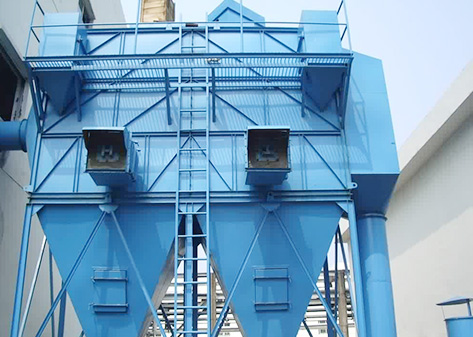
Environmental Engineering
Application
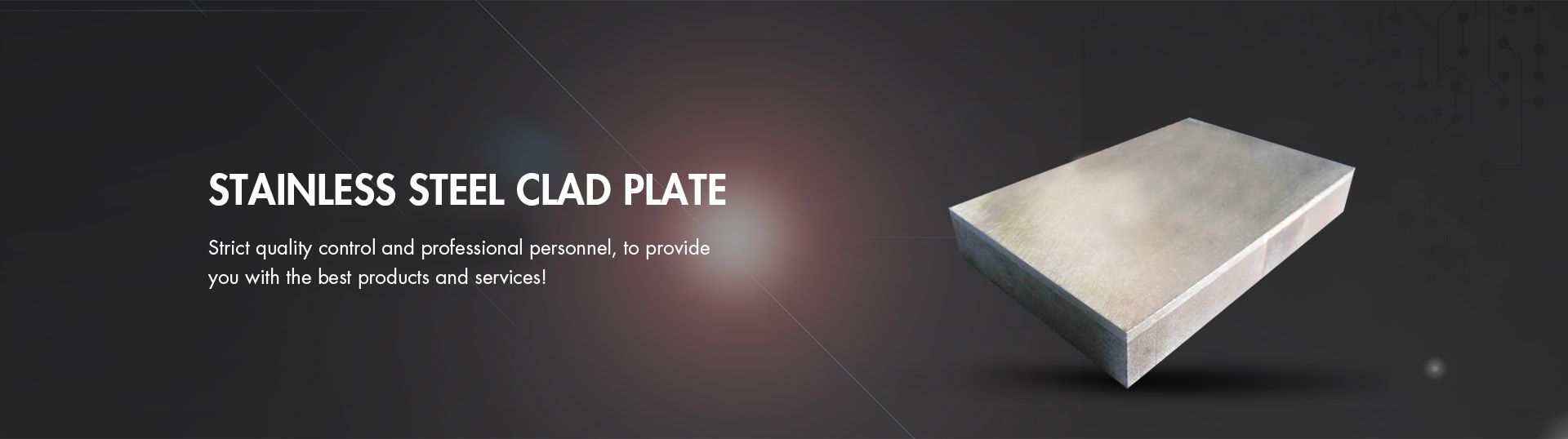
Stainless steel clad plate has been widely used in industrial scrubber, Stainless steel clad plate is solidly bonded and fused together through high temperature and high pressure to form bonds between atoms and never separate, and at the same time, it has good processability and can withstand repeated bending, shearing, punching,welding and other processing without stratified cracking.
Air pollution control and wastewater treatment systems are frequently exposed to moisture, acidic condensate, chlorides, abrasive solids and temperature fluctuations. These conditions can accelerate general corrosion, pitting, crevice corrosion and erosion-corrosion in conventional carbon steel equipment.
KLS supplies corrosion-resistant clad plates for industrial wet scrubbers, absorber towers, flue gas treatment systems and selected wastewater treatment equipment. The corrosion-resistant cladding protects the process-contact surface, while the carbon or low-alloy steel base provides the structural strength required for large industrial equipment.
This construction allows equipment manufacturers and EPC contractors to use high-performance alloy only where it is required, helping control material costs without relying on solid high-alloy plate throughout the complete structure.
Wet gas treatment equipment may be exposed to several corrosion mechanisms at the same time:
◆ Acidic condensate created when hot exhaust gas contacts cooler surfaces
◆ Chloride- and fluoride-containing liquids that promote localized corrosion
◆ Abrasive slurry, dust and suspended solids
◆ Repeated wet-dry cycles and temperature changes
◆ Corrosion around welds, crevices and liquid collection zones
Because conditions can vary significantly between the inlet, absorber, sump and outlet sections, clad plate selection should be based on the actual service medium and equipment location rather than the general industry name alone.
| Environmental Equipment | Typical Clad Plate Applications |
|---|---|
| Industrial wet scrubbers | Scrubber shells, wetted sections, sumps and transition sections |
| FGD and acid-gas treatment systems | Absorber towers, inlet and outlet ducts, dampers and selected downstream components |
| Dust and mist collection systems | Casings, hoppers and ducts exposed to corrosive moisture or condensate |
| Wastewater and waste treatment equipment | Process tanks, treatment vessels and fabricated components exposed to chemicals or contaminated water |
For power-plant stack and chimney applications, see our dedicated power plant chimney lining solution.
Not every dry dust collector requires clad plate. It is most valuable in wet, condensing, acidic or chloride-bearing areas where ordinary carbon steel may experience premature corrosion.
There is no single alloy suitable for every environmental protection system. KLS can provide different metal combinations according to the operating medium, temperature, structural load and fabrication requirements.
| Cladding Option | Typical Selection Direction |
|---|---|
| Stainless steel clad plate | General wet-service and moderately corrosive environments where the selected stainless grade is compatible with the process medium |
| Nickel clad steel plate | More aggressive acidic, high-temperature or halide-containing conditions found in selected FGD and gas-treatment sections |
| Hastelloy C276 clad plate | Severe environments requiring stronger resistance to pitting, crevice corrosion and aggressive chemical media |
| Titanium clad steel plate | Selected chloride-bearing and wet-gas applications where titanium is compatible with the specific process chemistry |
Final material selection should consider gas and liquid composition, pH, chloride and fluoride concentrations, temperature, pressure, solids content, fabrication method and required service life.
Clad plate combines a corrosion-resistant working surface with a strong and economical steel backing. For large scrubber shells, absorber towers and process vessels, this can provide several advantages:
◆ Reduced consumption of costly stainless steel or nickel alloy
◆ Structural strength from the carbon or low-alloy steel base
◆ A metallurgical bond between the base and cladding layers
◆ Compatibility with cutting, forming and welding when qualified procedures are used
◆ Lower lifecycle and maintenance costs in properly selected applications
◆ Customized total thickness and cladding thickness for different equipment zones
KLS supports environmental equipment manufacturers, fabricators, EPC contractors and industrial project owners with project-specific clad metal supply.
Available options include:
◆ Stainless steel, nickel alloy, Hastelloy and titanium cladding
◆ Carbon steel or low-alloy steel base materials
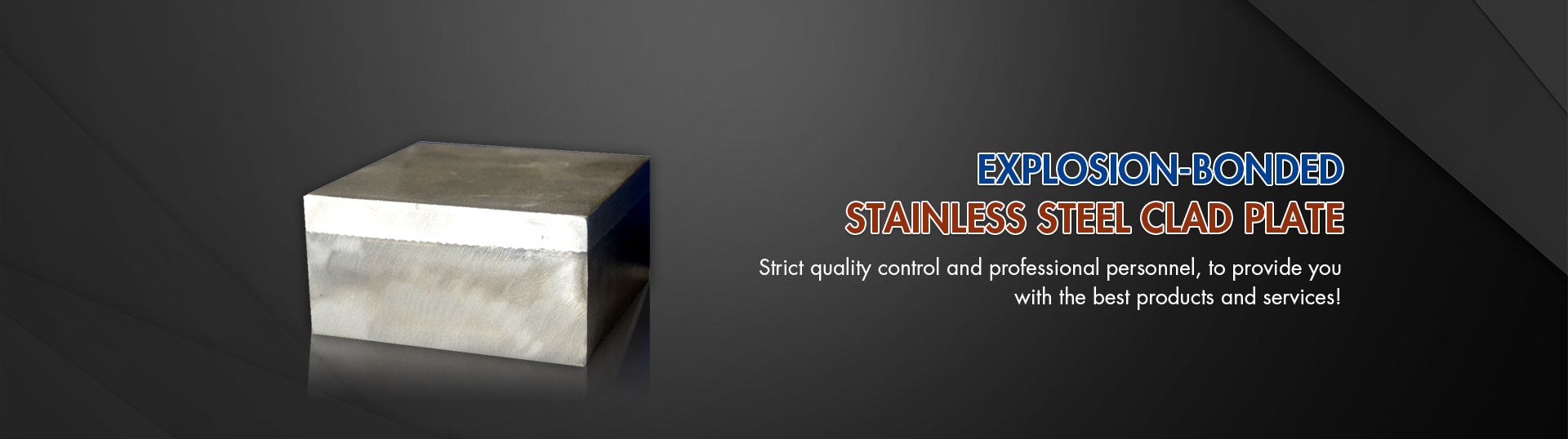
◆ Roll-bonded and explosion-bonded clad plate
◆ Single-sided or double-sided clad structures
◆ Customized base thickness, cladding thickness, width and length
◆ Surface finishing and processing based on fabrication requirements
◆ Material Test Certificates and applicable standards specified in the purchase order
The appropriate material combination, bonding process and inspection scope can be confirmed according to your drawings and operating data.
Contact KLS with your project specifications. Our team will review the operating conditions and help identify a suitable clad plate configuration for your environmental protection equipment.
The selection depends on the chemical composition, pH, temperature, chloride level and abrasion conditions. Stainless steel clad plate may suit moderate service, while nickel alloy or Hastelloy clad plate may be considered for more aggressive environments.
Yes. Clad plate can be used in selected absorber shells, ducts, sumps and downstream components. Each area should be evaluated separately because corrosion conditions vary throughout the FGD system.
No. Dry, non-corrosive dust collectors may use conventional steel. Clad plate is more relevant where moisture, acidic condensate, chemicals or chloride-bearing media create a significant corrosion risk.
Yes. Metallurgically bonded clad plate can be processed into industrial equipment components. Qualified forming and welding procedures should be used to protect both bond integrity and the corrosion-resistant cladding layer.
Yes. Base material, cladding material, plate dimensions, layer thickness and surface requirements can be customized according to drawings and technical specifications.
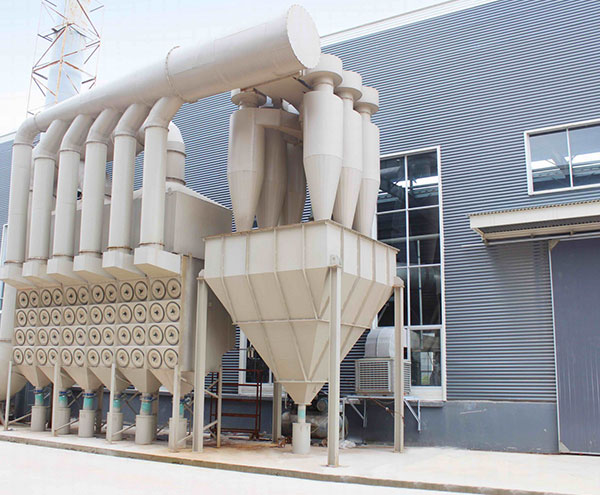
Dedusting Equipment
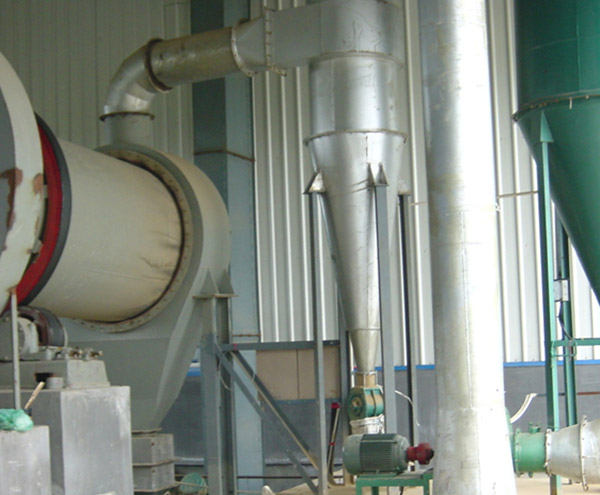
Dust Removal Equipment

Dust Removal Equipment
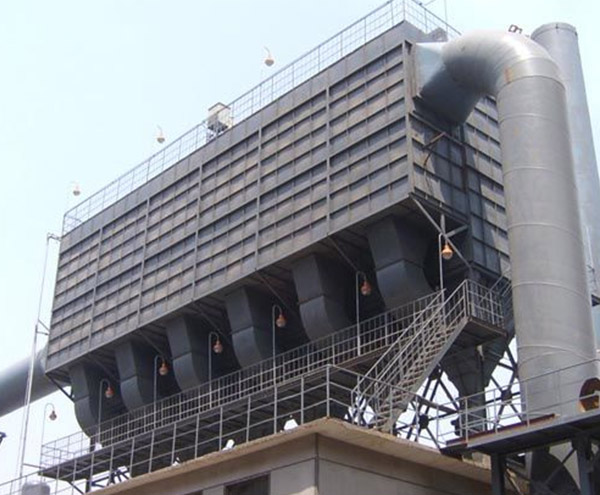
Dust Removal Equipment
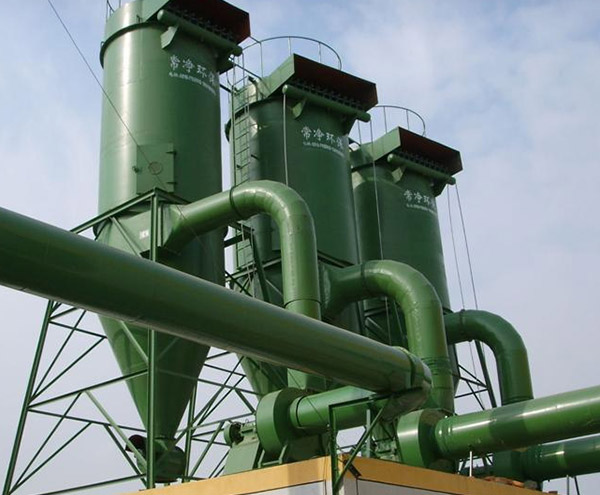
Dust Removal Equipment
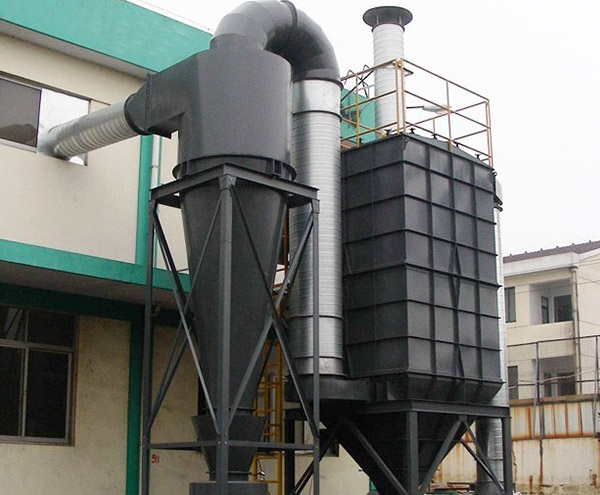
Dust Removal Equipment