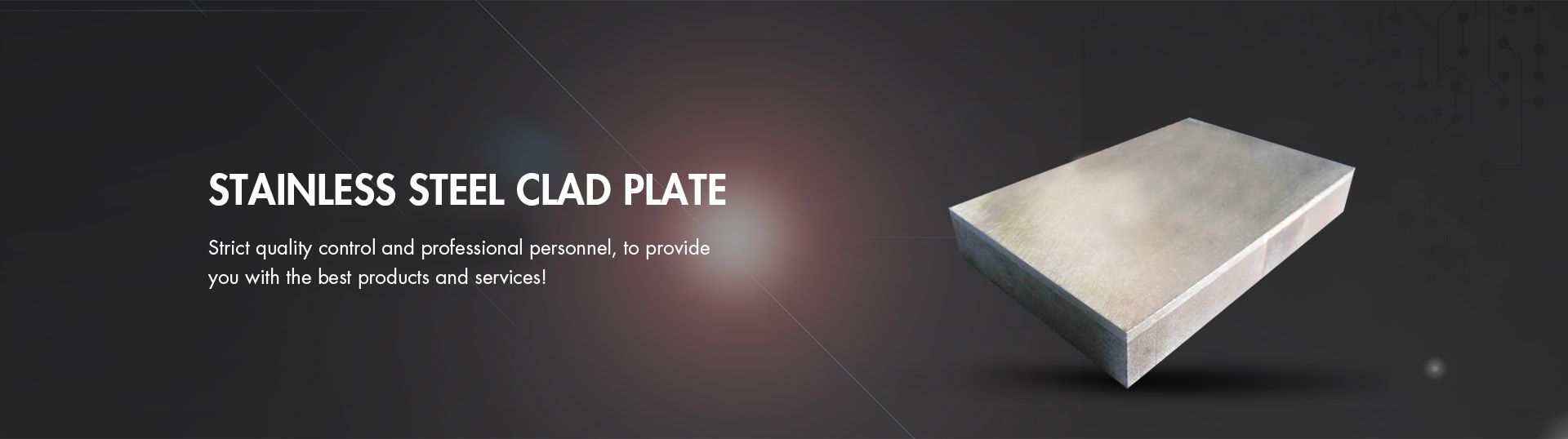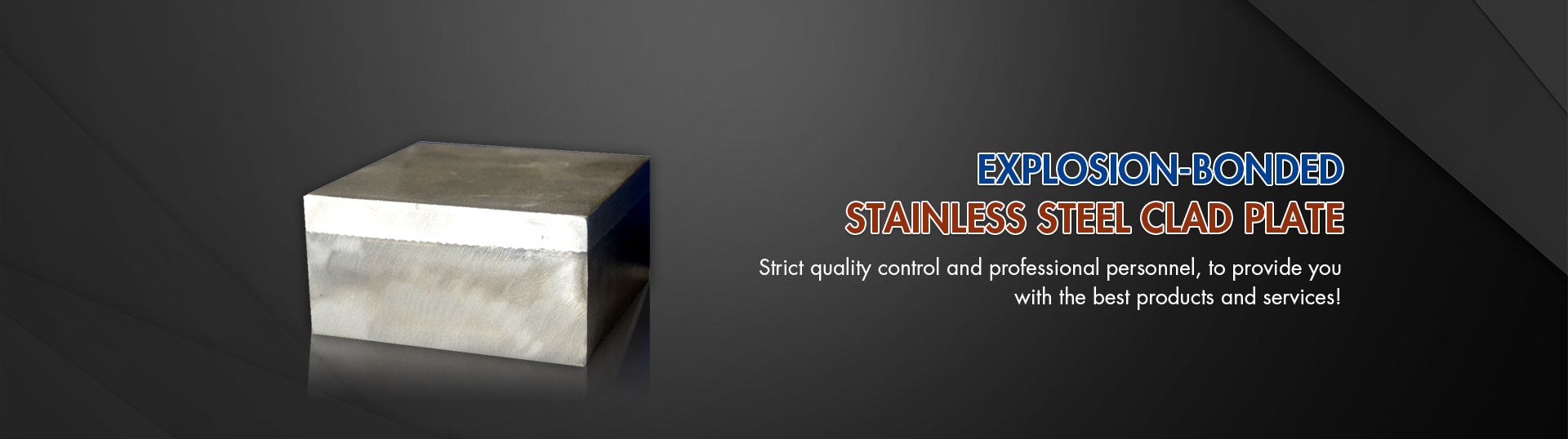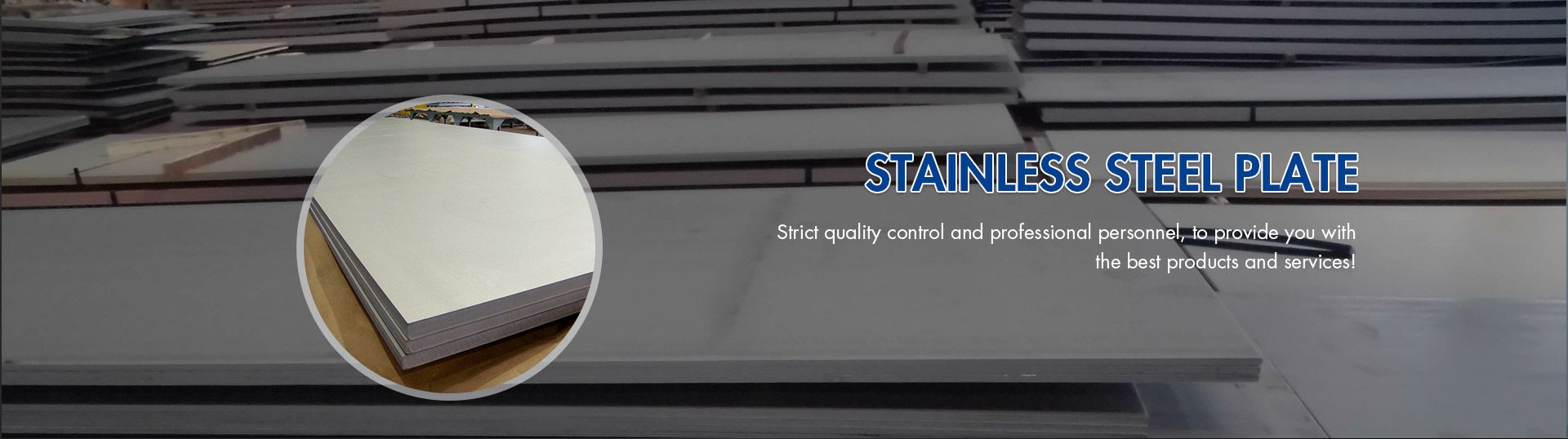
clad metals, such as stainless steel bonded with carbon steel or nickel alloy cladding on steel, are crucial in various industries, especially in environments that require corrosion resistance and structural integrity. Effective welding, cutting, and forming of clad plates are essential to ensure their performance and longevity. This article outlines best practices for fabricating clad plates, focusing on techniques, tools, and considerations to optimize your operations.
Definition of Clad Plates
Explanation of clad materials and their applications.
Common types of clad plates and their benefits, including corrosion resistance and material savings.
Importance of Fabrication Practices
Impact on durability, performance, and overall cost-efficiency.
Material Selection
Choosing the right base and cladding materials according to the project requirements.
Considerations for thermal expansion and compatibility.
Assessing Environmental Conditions
Evaluating the end-use environment (e.g., chemical exposure, temperature fluctuations) before fabrication.
Welding Techniques
Choosing appropriate welding techniques: TIG, MIG, and Submerged Arc Welding.
Explaining the advantages of each technique for clad plates.
Welding Parameters
Adjusting heat settings, voltage, and travel speed to avoid damaging the clad layer.
Understanding the importance of pre-heating cladding materials for better fusion.
Post-Welding Inspection
Methods for assessing weld integrity such as ultrasonic testing or X-ray inspection.
Cutting Techniques
Overview of plasma cutting, laser cutting, and water jet cutting methods.
Pros and cons for each method regarding clad plate application.
Safety Precautions
Key safety measures when cutting materials, including PPE (personal protective equipment) recommendations.
Forming Techniques
Details on various forming methods like rolling and bending.
Choosing the correct toolings and dies for forming clad materials effectively.
Stress Considerations
Understanding the effects of thermal stress during the forming process.
Employing techniques to minimize stress and ensure product integrity.
Standard Compliance
Understanding industry standards such as ASME and AWS for clad metal fabrication.
Continuous Improvement
Implementing quality management systems like ISO 9001 to enhance fabrication processes.
Cross-Training Staff
Importance of cross-training staff in various fabrication techniques to improve workplace flexibility and productivity.
Utilizing Technology
Leveraging software and automation tools for better precision in cutting and welding processes.
For more visual guidance and tools, refer to the resources available at this link.