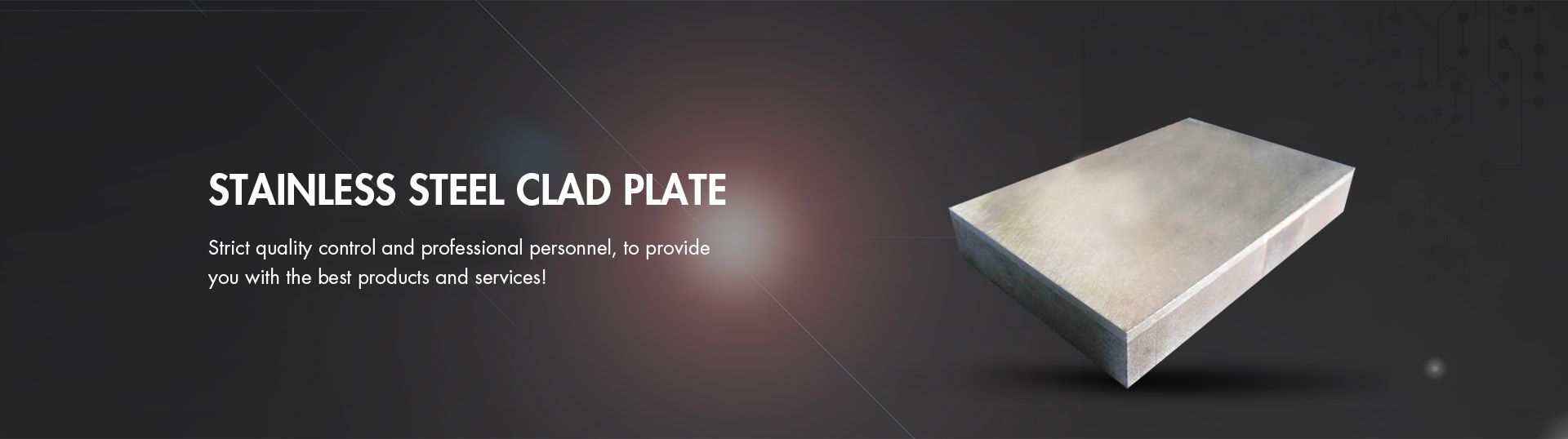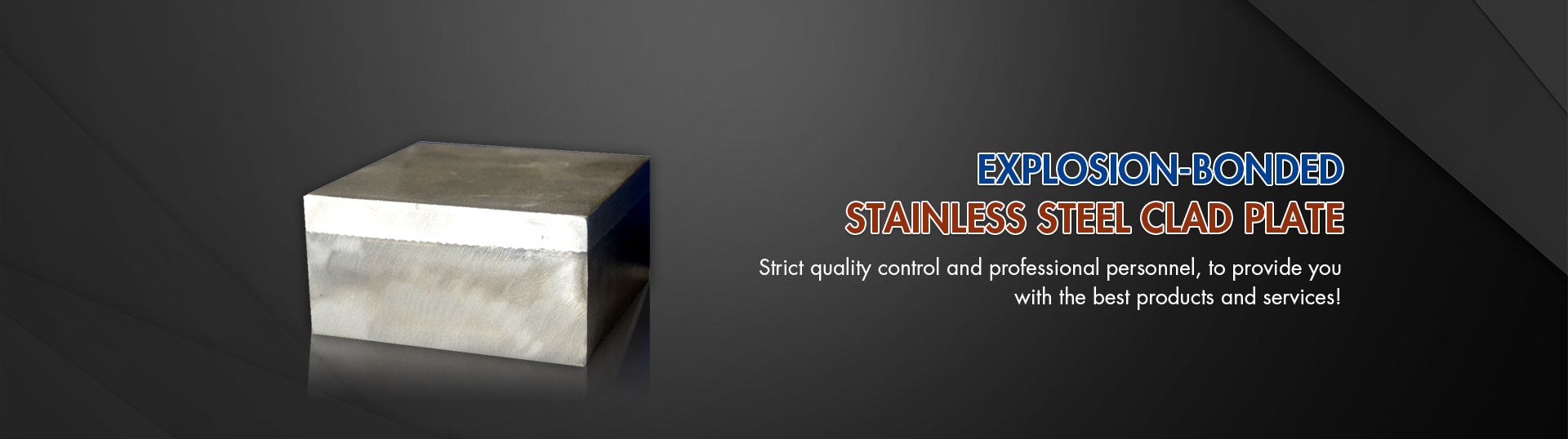
In the evolving landscape of modern manufacturing, clad metals—particularly copper-clad steel—have emerged as a revolutionary solution across various industries. This development marks a significant advancement for suppliers seeking to optimize efficiency and cost-effectiveness in their production processes. The importance of connecting electrical and thermal conductivity with structural integrity cannot be overstated, especially in settings demanding high performance under challenging conditions. As businesses grapple with the demand for better materials, clad plates suppliers have seen a marked increase in interest due to the unique benefits these composite materials provide.
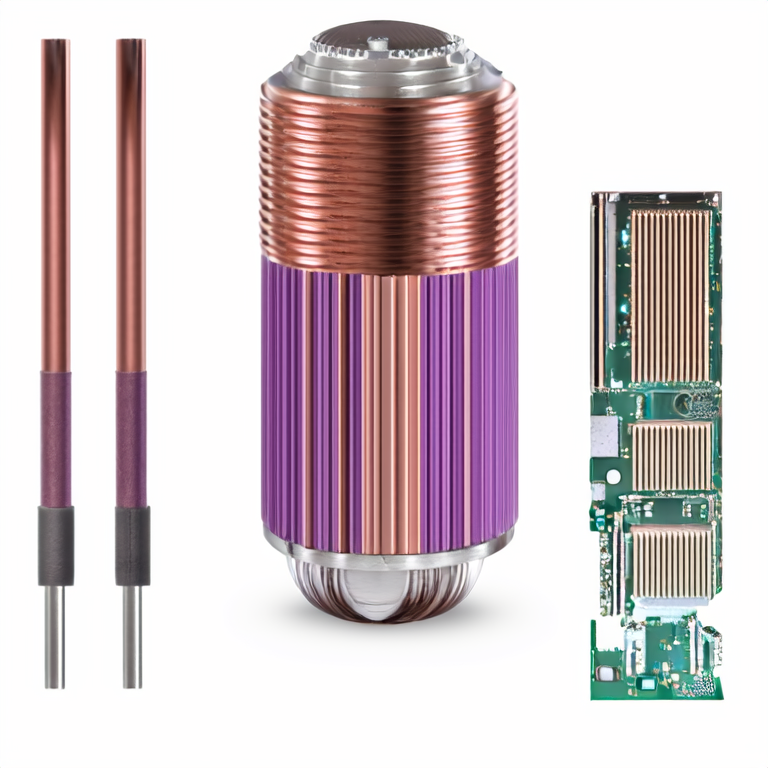
Clad metals, specifically copper-clad steel, are composite materials formed by bonding copper and steel layers through various manufacturing processes, including rolling, explosion, or laser welding. This industrial term encapsulates the blending of copper’s exceptional electrical and thermal conductivity with steel\'s impressive mechanical properties. According to a study published by the International Journal of Materials Science, copper has a thermal conductivity of about 400 W/m·K, whereas steel is considerably lower, at about 50 W/m·K. By combining these elements, clad metals exhibit enhanced performance characteristics effective in multiple applications.
In the context of clad metals, terms such as "bimetallic", "layered manufacturing", and "composite materials" are essential. Bimetallic refers to the combination of two different metals, while layered manufacturing emphasizes the structural integrity and the method used to create these complex materials. Understanding these terms enables suppliers and manufacturers to communicate effectively about the capabilities and applications of clad metals.
Copper-clad steel has a wide range of applications in various sectors. Here are some significant fields where its use is prominent:
Electrical Engineering: Its high electrical conductivity makes it ideal for wiring and connectors, significantly enhancing system efficiency. For instance, in a recent study by CoinDesk, systems utilizing copper-clad connectors showed a 15% reduction in energy loss compared to traditional copper components.
Automotive Industry: Clad metals are being used in electric vehicles (EVs) for battery cables and high-voltage connectors, ensuring minimal resistance and optimal energy transfer. Reports indicate a 20% increase in charging efficiency when using copper-clad components.
Aerospace: The aerospace sector benefits from clad metals due to their lightweight properties combined with strength. This results in improved fuel efficiency, where studies indicate a 5% reduction in fuel consumption when utilizing components made from copper-clad steel.
Heating Elements: The thermal conductivity of copper allows for effective heat transfer in heating elements, making it essential for products like cookware and heating appliances.
The significance of copper-clad steel extends beyond its immediate applicability. Here are a few pivotal advantages that highlight its importance:
Cost-Effectiveness: Using clad materials reduces material costs by utilizing less copper, which can be up to 70% more expensive than steel per pound.
Enhanced Durability: Copper-clad products tend to resist corrosion better than traditional materials. Data from the American Society for Testing and Materials (ASTM) suggests that copper-clad components can withstand a 30% higher corrosion resistance compared to standard copper.
Improved Efficiency: The integration of electrical and thermal properties allows for simultaneous enhancements in design and functionality. This leads to a 30%-50% increase in overall system efficiency, further boosting the bottom line for industries relying on these materials.
If you are considering the implementation of copper-clad steel in your processes, the next recommended step is to explore user guides and case studies. These resources provide insights into the best practices for installation, maintenance, and optimal usage that can lead to improved performance and cost savings.
Q: What types of industries benefit the most from copper-clad steel?
A: Industries including electrical engineering, automotive, aerospace, and home appliance manufacturing primarily benefit from copper-clad steel due to its unique properties.
Q: How does copper-clad steel compare to traditional copper?
A: While copper has superior conductivity, copper-clad steel offers similar benefits while being significantly lighter and less expensive.
Q: Where can I learn more about the applications of clad metals?
A: For further understanding, consider consulting resources provided by suppliers like KLS, which specialize in clad materials and offer extensive product guides.
In conclusion, the emergence of copper-clad steel represents a substantial evolution in manufacturing and engineering materials. For those interested in maximizing efficiency and performance, exploring the advantages and applications of clad metals is essential. Begin your investigation today into this innovative material that continues to reshape various industries.