In the dynamic realm of steel coils, where durability is paramount, distinguishing between stainless steel and galvanized steel coils becomes imperative for industries seeking longevity and resilience in their applications. Let's delve into the intricacies of these two stalwarts, understanding their composition, attributes, and the factors that make them stand apart.
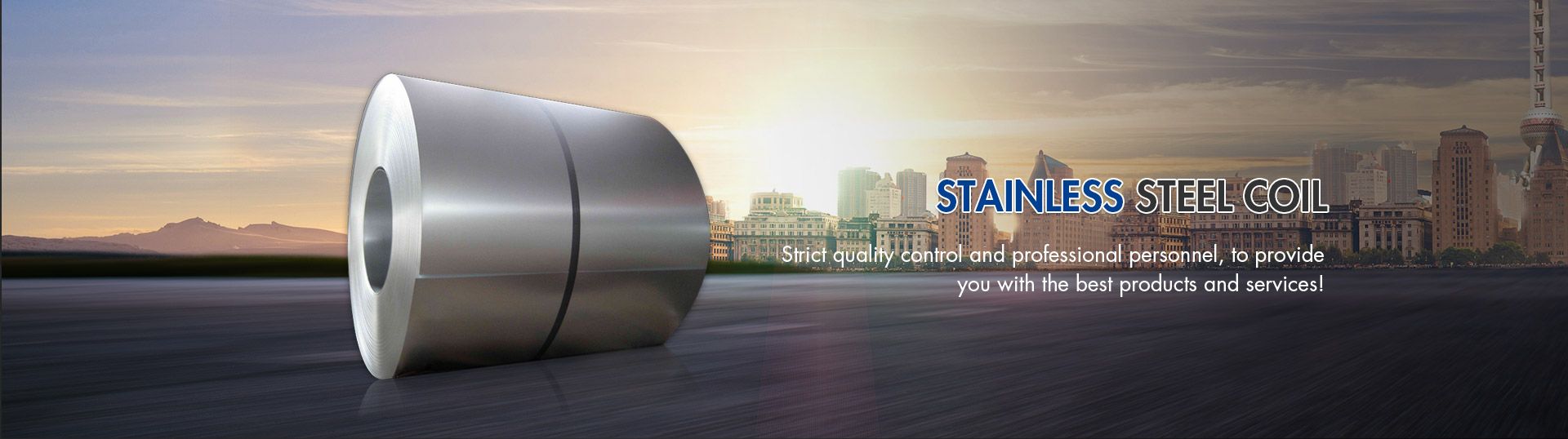
Stainless steel coils boast a composition primarily comprising iron, chromium, nickel, and other alloying elements. This alloy blend creates a protective layer, known as the passive layer, which shields the steel from corrosion, rust, and environmental wear. The addition of chromium, in particular, ensures resistance to staining and corrosion, making it a stalwart choice for diverse industrial applications.
Material: Steel alloy containing ≥10.5% chromium, often with nickel, molybdenum, or titanium.
Key Features:
· Chromium oxide layer: Self-repairing passive layer that resists rust
· Grades: Common types include 304 (general use) and 316 (marine grade)
On the other hand, galvanized steel coils derive their durability from a protective layer of zinc. This layer serves as a sacrificial barrier, shielding the steel beneath from corrosion and oxidation. The galvanization process involves immersing the steel in molten zinc, creating a robust bond that enhances its resilience against the elements.
Material: Carbon steel coated with a protective zinc layer via hot-dip or electro-galvanizing.
Key Features:
· Zinc coating: Sacrificially corrodes to protect the base steel
· Thickness: 5–150 µm (varies by process)
Tensile Strength:
· Galvanized: 270–550 MPa (depending on base steel grade)
· Stainless Steel: 500–1,000 MPa (grade dependent)
Impact Resistance: Stainless steel performs better than galvanized steel under extreme temperature conditions
· Galvanized Steel: 25–50 years (HDG) in moderate climates
· Stainless Steel: 50–100+ years (316 grade) in harsh environments
Stainless steel coils are revered for their exceptional durability. The passive layer formed on the surface acts as an enduring shield against corrosive forces, ensuring a prolonged lifespan even in harsh environments. This makes stainless steel coils ideal for applications where corrosion resistance is non-negotiable, such as in the manufacturing of kitchen appliances, medical equipment, and architectural structures.
Galvanized steel, fortified by its zinc coating, exhibits commendable durability in a different light. Widely employed in construction, automotive, and agricultural sectors, galvanized steel coils offer robust protection against the rigors of weather, providing an extended service life even in challenging outdoor conditions.
| Factor | Galvanized Steel | Stainless Steel |
|---|---|---|
| Mechanism | Zinc sacrifices itself to protect steel | Chromium forms a passive oxide layer |
| Salt Spray Performance | 1,000+ hours (HDG) | 1,500+ hours (316 grade) |
| Weaknesses | Vulnerable to acidic/alkaline environments | Prone to pitting in chloride-rich areas |
Best For:
· Galvanized: Moderate environments (urban, rural).
· Stainless Steel: Extreme conditions (coastal, chemical plants).
Stainless steel coils find their niche in applications requiring precision and hygiene. Industries such as pharmaceuticals, food processing, and aerospace rely on the non-reactive nature of stainless steel to maintain product integrity. Its durability ensures seamless performance, meeting the stringent standards of these sectors.
In the construction domain, galvanized steel coils take center stage. Their durability, coupled with the ease of fabrication, makes them indispensable for structural components. From roofing to fencing, galvanized steel ensures structural stability, enduring the tests of time and weather-induced challenges.
| Industry | Galvanized Steel Coil | Stainless Steel Coil |
|---|---|---|
| Construction | Roofing, guardrails, HVAC ducts | Architectural cladding, bridges |
| Automotive | Body panels, underbody parts | Exhaust systems, trim |
| Appliances | Washing machine drums, frames | Sinks, oven interiors |
| Food & Pharma | Storage tanks (non-critical) | Processing equipment, containers |
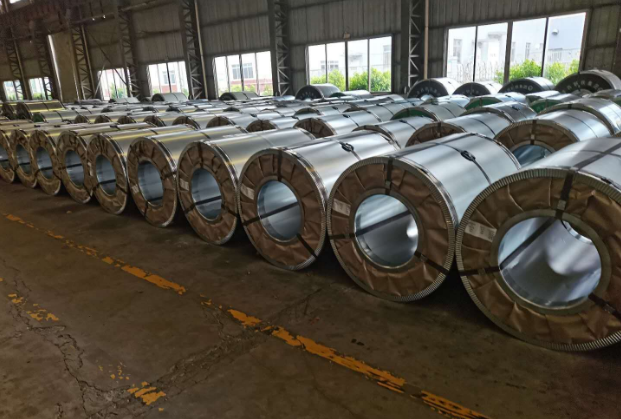
Beyond durability, stainless steel coils align with eco-conscious initiatives. The recyclability of stainless steel contributes to a sustainable lifecycle, reducing environmental impact. Industries prioritizing green practices gravitate towards stainless steel, making it a prudent choice for those aiming to balance performance with environmental responsibility.
Galvanized steel, while not as inherently recyclable as stainless steel, still offers sustainable benefits. The longevity of galvanized coatings reduces the need for frequent replacements, mitigating the environmental footprint associated with manufacturing and disposal.
· Galvanized Steel: Lower carbon footprint during production, but dependent on zinc mining
· Stainless Steel: More energy-intensive to produce, but fully recyclable without loss of material quality
· Galvanized Steel: Requires periodic inspection for coating damage; repairs typically use zinc-rich paint
· Stainless Steel: Requires regular cleaning with non-abrasive agents to preserve the passive oxide layer
Stainless steel: Inherently corrosion-resistant due to the formation of a passive oxide layer.
Galvanized steel: Relies on the protective zinc coating, which can be compromised over time.
Temperature Resistance:
Stainless steel: Maintains strength and corrosion resistance across a wide temperature range.
Galvanized steel: Exhibits good resistance to temperature variations but may experience degradation if exposed to extreme conditions for extended periods.
Strength and Hardness:
Stainless steel: Known for high tensile strength and hardness.
Galvanized steel: Adequate strength and hardness, enhanced by the protective zinc coating.
Maintenance Requirements:
Stainless steel: Minimal maintenance required for corrosion prevention.
Galvanized steel: Periodic inspections and maintenance to address any damage to the zinc coating.
Stainless steel: Sleek and modern appearance, resistant to tarnishing.
Galvanized steel: Utilitarian appearance with a characteristic spangled surface due to the zinc coating.
Versatility:
Stainless steel: Highly versatile, customizable into various shapes and sizes.
Galvanized steel: Versatile but may have limitations compared to stainless steel in certain applications.
Stainless steel: Generally higher initial cost but offers long-term durability.
Galvanized steel: More cost-effective, making it suitable for applications where a high level of corrosion resistance is not critical.
Stainless steel: Durable and recyclable, contributing to sustainability goals.
Galvanized steel: Longevity and recyclability enhance its sustainability.
Both stainless steel and galvanized steel coils have their own unique properties that contribute to their durability. Stainless steel is known for its exceptional corrosion resistance, temperature stability, and high strength. It is often chosen for applications where long-term durability is critical, such as in the construction of infrastructure, kitchen appliances, and industrial equipment.
On the other hand, galvanized steel provides a cost-effective solution with good corrosion resistance, especially in outdoor environments. Its durability is attributed to the protective zinc coating, which sacrificially corrodes to protect the underlying steel. Galvanized steel is commonly used in construction, fencing, automotive components, and agricultural equipment.
The choice between stainless steel and galvanized steel depends on the specific requirements of the application, considering factors such as budget, environmental conditions, and the desired level of corrosion resistance. While stainless steel may have a higher initial cost, its long-term durability and low maintenance requirements can make it a cost-effective choice in the right contexts. Galvanized steel, with its balance of durability and affordability, remains a popular option for a wide range of applications.
| Factor | Galvanized Coil | Stainless Steel Coil |
| Composition | Carbon steel + zinc coating | Alloy steel (chromium ≥10.5%, plus nickel/molybdenum) |
| Corrosion Resistance | Dependent on zinc coating (prone to rust if scratched) | Self-healing chromium oxide layer (excellent long-term protection) |
| Cost | Lower upfront cost | Higher upfront cost (but lower maintenance costs) |
| Strength & Durability | Moderate (base steel strength; coating can wear over time) | High (resists dents, impacts, and wear) |
| Aesthetics | Dull gray finish (may develop a zinc patina over time) | Bright, uniform finish (customizable to polished/brushed) |
| Maintenance Needs | Requires periodic inspection (touch-up coating if damaged) | Minimal (only needs cleaning to maintain appearance) |
| Ideal Environments | Outdoor structures (roofs, fences), automotive parts | Food processing, marine, medical, architectural, coastal areas |
| Magnetism | Magnetic (base carbon steel) | Depends on grade (austenitic = non-magnetic; ferritic = magnetic) |

Q1: Can galvanized coils be used in coastal areas?
A: Galvanized steel may corrode faster in saltwater environments, as zinc reacts with salt spray. For coastal applications, 316 stainless steel is the more suitable option.
Q2: Is stainless steel coil more expensive than galvanized coil?
A: Yes. Stainless steel typically has a higher upfront cost (about 2–3× higher than galvanized steel). However, its longer service life and lower maintenance requirements can make it more cost-effective over time.
Q3: Can I paint galvanized or stainless steel coils?
A: Galvanized steel can be painted, but it requires proper surface preparation and a primer to ensure adhesion. Stainless steel is more difficult to paint due to its passive oxide layer, so it is usually used in its natural finish.
Q4: Which is more sustainable?
A: Both materials are highly recyclable. Stainless steel offers a longer lifecycle, reducing replacement frequency, while galvanized steel generally has lower production energy input. The more sustainable choice depends on the project's lifecycle requirements.