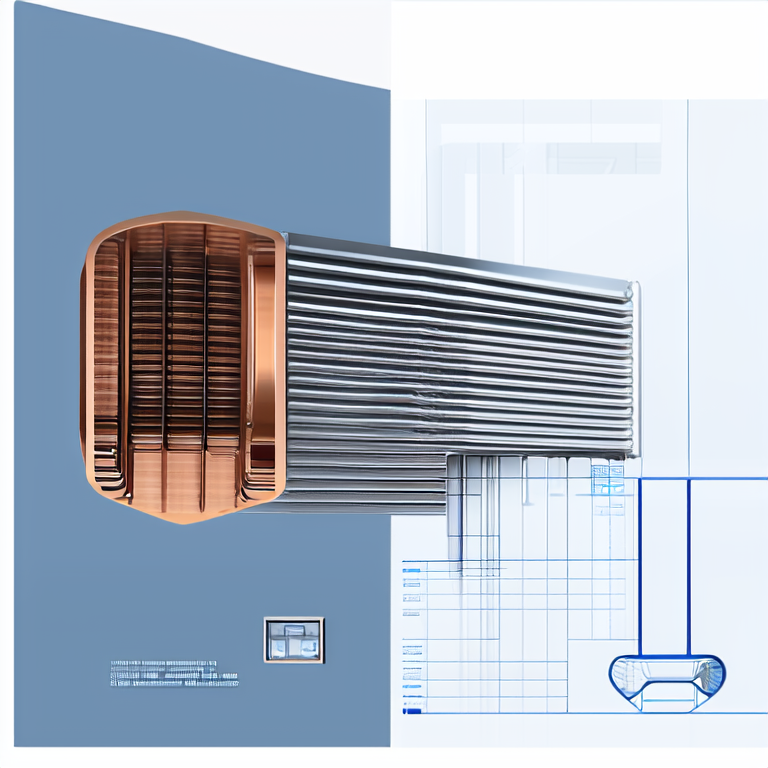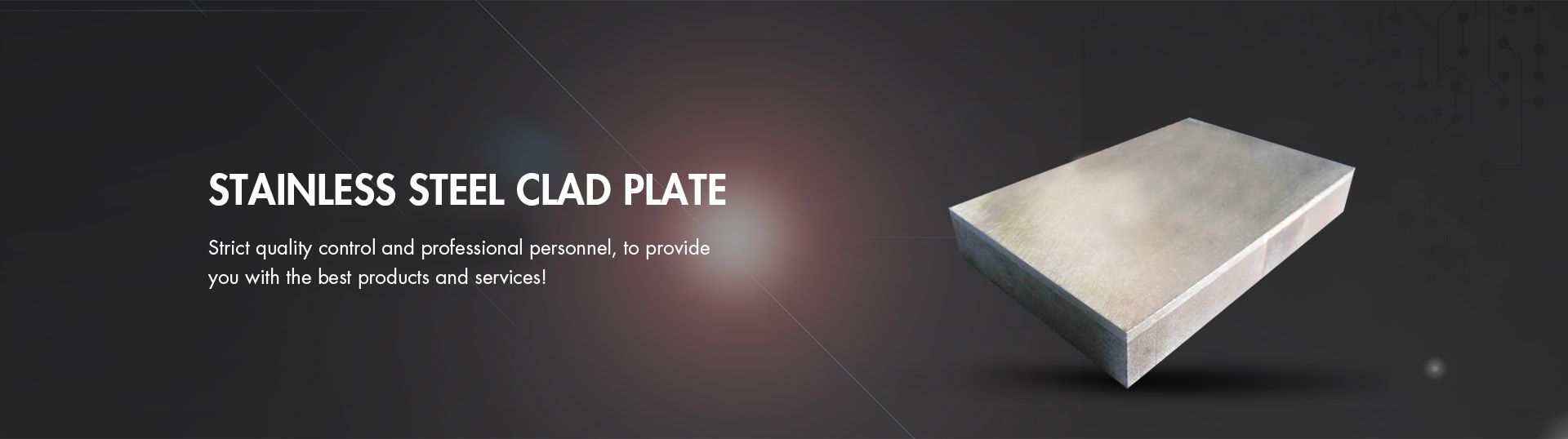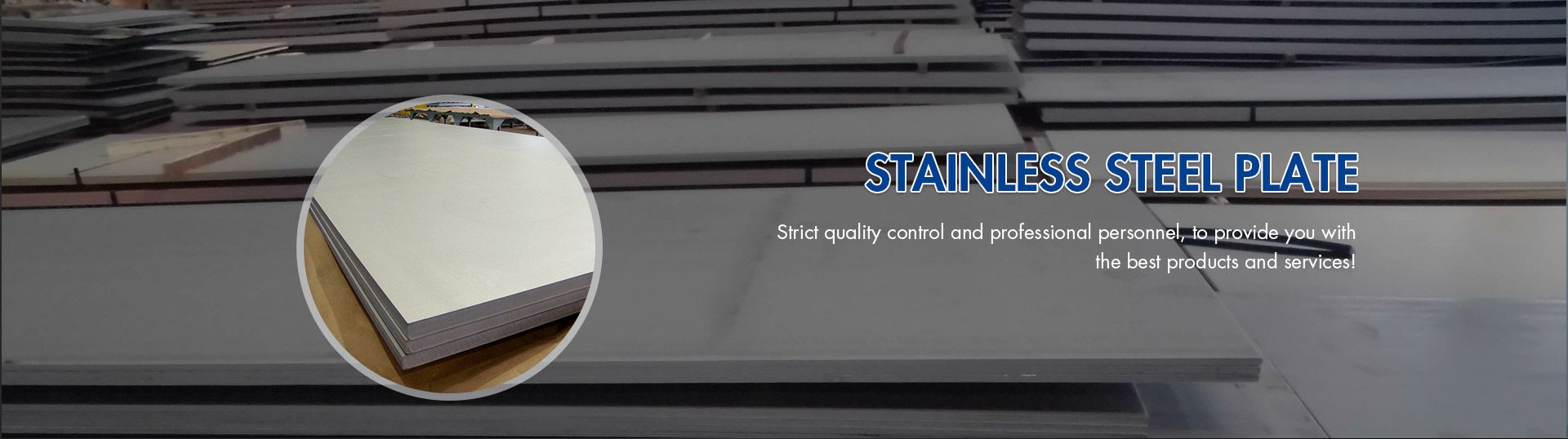
When sourcing clad plates for heat exchangers, choosing the right clad plates supplier can significantly impact both efficiency and longevity. Many plant engineers face challenges related to material compatibility, thermal performance, and the inspection processes that ensure safety and reliability. This article offers essential tips on clad plate specifications, focusing on thickness, bonding methods, and crucial inspection techniques, enabling engineers to make informed decisions that lead to improved operational effectiveness and reduced maintenance costs. By leveraging proper specifications, users can anticipate reductions in corrosion rates by up to 70%, prolonging the lifespan of their heat exchangers and minimizing downtime.
Choosing the appropriate thickness for clad plates is essential for optimal thermal performance and structural integrity.
Determine Application Needs; A thicker plate may be necessary for high-pressure systems.
Quick Answer: Thicker plates provide better resistance against wear and corrosion.
Operation Method: Assess operating pressure and temperature limits to define thickness; common ranges are between 3 mm to 20 mm.
Suitable For: Suitable for processes dealing with high-pressure fluid flow or corrosive environments.
Choosing the right bonding technique can significantly affect the durability and performance of clad plates.
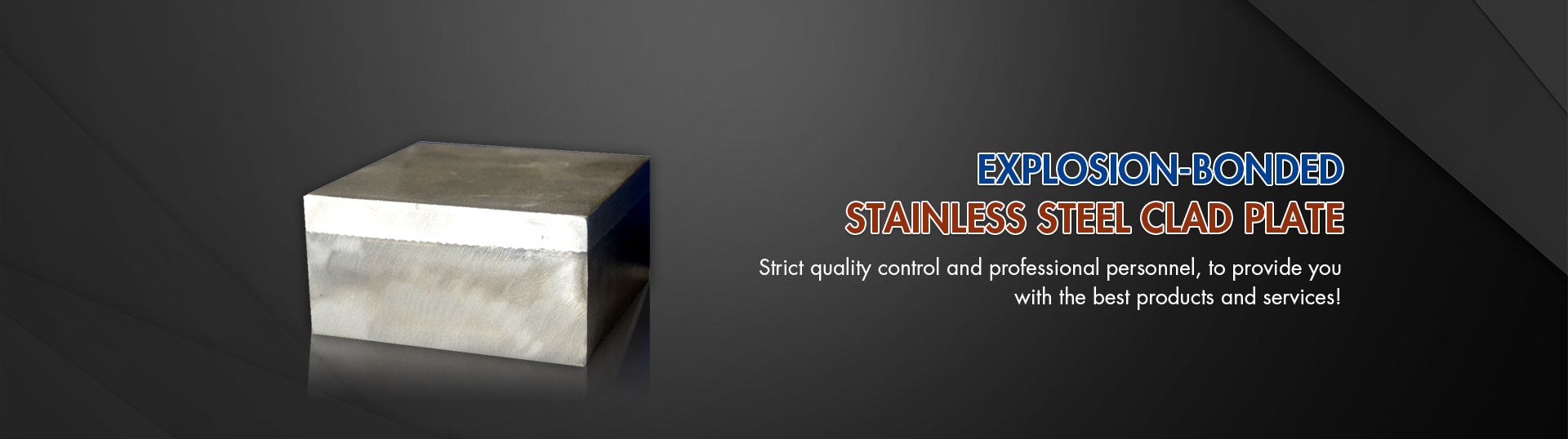
Evaluate Bonding Methods; Appropriate methods include explosion bonding, rolling bonding, and brazing.
Quick Answer: Proper bonding reduces the risk of delamination and improves heat transfer efficiency.
Operation Method: For corrosive environments, explosion bonding is often preferred due to its robust metallurgical bond.
Suitable For: Ideal for high-stress applications where thermal fatigue and corrosion are concerns.
Conducting thorough inspections is vital for ensuring the safety and performance of clad plates.
Implement Regular Inspections; Routine checks can identify potential issues before they become critical.
Quick Answer: Early detection of defects can reduce repair costs by up to 40%.
Operation Method: Use ultrasonic testing (UT) for thickness measurements and visual inspection for surface defects.
Suitable For: Essential for facilities operating under strict safety regulations.
In summary, specifying clad plates for heat exchangers involves careful consideration of thickness, bonding methods, and inspection techniques. By selecting the right supplier, such as KLS, and utilizing best practices, engineers can enhance their system\'s performance, safety, and reliability.
Factors include material quality, reputation, delivery times, and technical support for your specific application needs.
Inspections should be conducted at least annually, but more frequent checks may be necessary in harsh operating conditions.
Explosion welding is preferred for high-temperature applications due to its strong bond strength and resistance to thermal expansion.
Yes, defects can often be repaired by using specialized welding techniques or replacing the affected clad plates.
For high-quality clad plates, consider consulting suppliers like KLS, who offer a range of options to meet diverse industrial requirements.