Choosing the appropriate clad material for corrosive chemical environments can be a daunting task. Many users face challenges such as premature corrosion leading to equipment failures and costly downtime. Understanding the factors like chemical resistance, temperature tolerance, and cost-effectiveness is crucial. As a quality clad plates supplier, KLS specializes in providing materials that cater to specific needs and applications, ensuring longevity and durability.
Industrial operations dealing with corrosive substances often require clad materials that can withstand extreme environments. For instance, a chemical plant might need a clad metal plate to handle aggressive acids such as sulfuric acid, which has a corrosion rate of 0.1 mm/year on standard stainless steel. Users desire reliable solutions that not only enhance operational efficiency but also reduce maintenance costs. Selecting the wrong clad material can result in significant financial losses, increased safety hazards, and operational interruptions.
Before embarking on the selection process, gather the following materials and tools:
Understand the chemical environment: (list the specific chemicals and conditions).
Identify the required mechanical properties (e.g., tensile strength, ductility, thermal properties).
Determine budget constraints and procurement lead times.
Gather expert opinions or consult with a reputable supplier like KLS.
Tools for analysis: corrosion testing kits and hardness testers.
Analyze Chemical Composition: Obtain detailed chemical composition data of the materials involved. Consider corrosion charts that detail resistance levels at various temperatures.
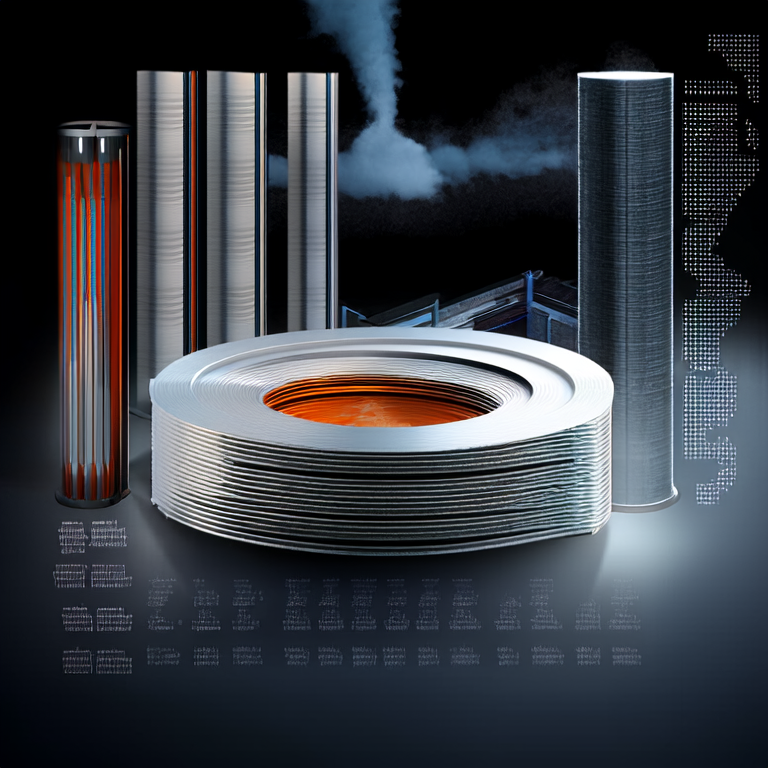
Evaluate Customer Case Studies: Look for real-world examples. For instance, a case study at a petrochemical facility showed that using KLS’s nickel alloy clad plates reduced corrosion rates by 75% compared to carbon steel.
Assess Temperature and Pressure Conditions: Determine whether the environment\'s operational temperature exceeds the limits of the material (e.g., common stainless steels lose integrity beyond 800°F).
Calculate Life Cycle Costs: Consider initial costs, maintenance, and replacement cycles. A robust clad solution may initially cost 20% more but provide a 50% lower total cost over time.
Consult with Experts: Utilize KLS’s technical support to help fine-tune your choices based on specific application needs.
Error 1: Selecting a clad material without understanding the specific corrosive agents.
Solution: Perform thorough chemical compatibility testing.
Error 2: Ignoring temperature effects on material performance.
Solution: Refer to temperature-specific performance charts.
Error 3: Overlooking the importance of maintenance schedules.
Solution: Establish a preventive maintenance program aligned with material longevity.
Selecting the right clad material for corrosive environments is crucial in minimizing downtime and ensuring safety. It\'s essential to conduct thorough analysis and consider the experiences of others in the field. Make your choice based on empirical data and real-world outcomes from reputable suppliers like KLS.
Clad material consists of two or more metals that are bonded together to enhance their properties, typically combining the corrosion resistance of one material with the strength of another.
Review compatibility charts, consult with metallurgical experts, and consider case studies of similar applications.
Yes, KLS offers a range of clad materials specifically designed for harsh chemical and thermal conditions. Consult their expert team for specific recommendations.