When designing clad heads and pressure vessel end closures, it\'s crucial to consider the properties of clad metals, which consist of a layer of corrosion-resistant material bonded to a base metal. This unique composition enhances the strength and durability of pressure vessels while ensuring resistance to harsh environments. Understanding the intricacies of clad head design, fabrication processes, and adherence to industry standards is essential in creating safe and efficient pressure vessels.
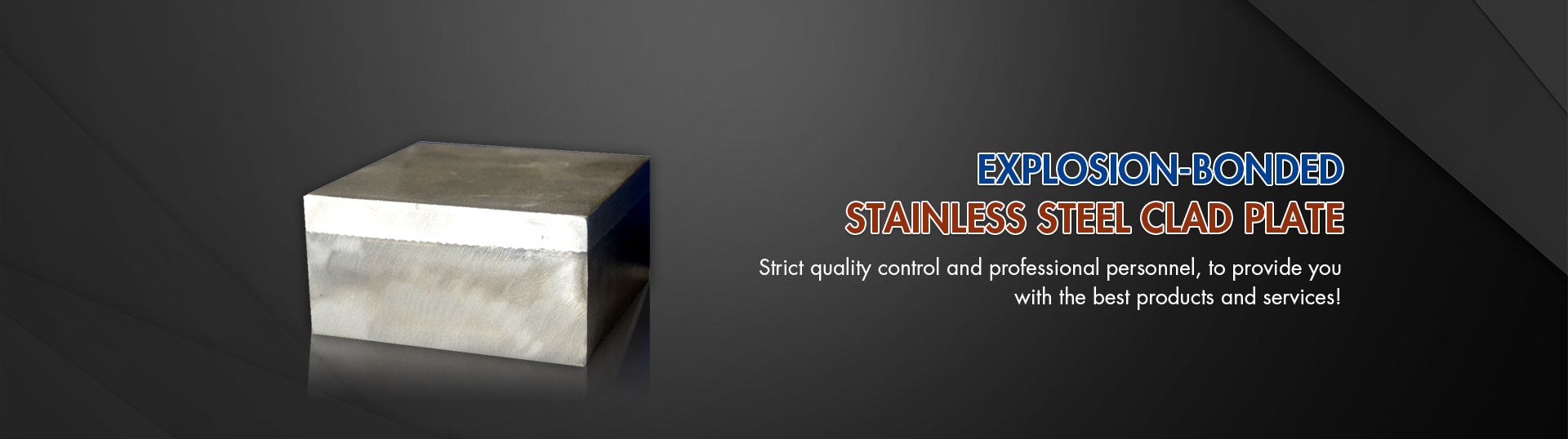
Definition and Composition: Clad metals involve a combination of different materials, resulting in a product that takes on desirable characteristics from each material. Common combinations include stainless steel and carbon steel.
Benefits: Improved corrosion resistance, reduced costs compared to solid materials, and enhanced mechanical properties.
Material Selection:
Choose appropriate materials based on the operational environment and process conditions.
Consider corrosion factors and temperature fluctuations that may affect material integrity.
Thickness and Weight:
Determine the clad and base metal thickness based on pressure requirements and weight constraints.
Use the ASME Section VIII guidelines for pressure vessel design to ensure uniform load distribution.
Weld Design and Process:
Employ appropriate welding techniques to ensure strong bonding between layers.
Consider the thermal expansion rates of different materials during welding to prevent defects.
Follow guidelines set by the American Welding Society (AWS).
ASME Boiler and Pressure Vessel Code:
Ensure adherence to Section VIII, which outlines essential design specifications for pressure vessels.
Review relevant standards to maintain safety and performance standards on a global scale.
Industry-Specific Regulations:
Familiarize yourself with regulations applicable to specific industries, such as petrochemical or nuclear sectors.
Consult expert literature and government publications for insights on compliance.
Process Selection:
Analyze the requirements of the specific application to select welding, rolling, or forging processes.
Use modern manufacturing techniques to enhance precision and reduce lead times.
Quality Control:
Implement rigorous testing methods including non-destructive testing (NDT) to identify potential flaws.
Ensure compliance with ISO standards for quality assurance during fabrication.
Routine Inspections:
Conduct regular visual inspections to identify early signs of fatigue or corrosion.
Schedule periodic non-destructive evaluations to assess structural integrity.
Preventive Maintenance:
Implement a maintenance schedule that includes cleaning and protective coatings to extend lifespan.
Train personnel in best practices for the care and handling of pressure vessels.
Advancements in Materials Science:
Explore the use of advanced composites and new alloys to enhance performance.
Stay informed about the latest research in clad metal technology to remain competitive.
Sustainability Considerations:
Investigate sustainable fabrication techniques to minimize environmental impact.
Consider lifecycle costs and environmental footprints during the design process.
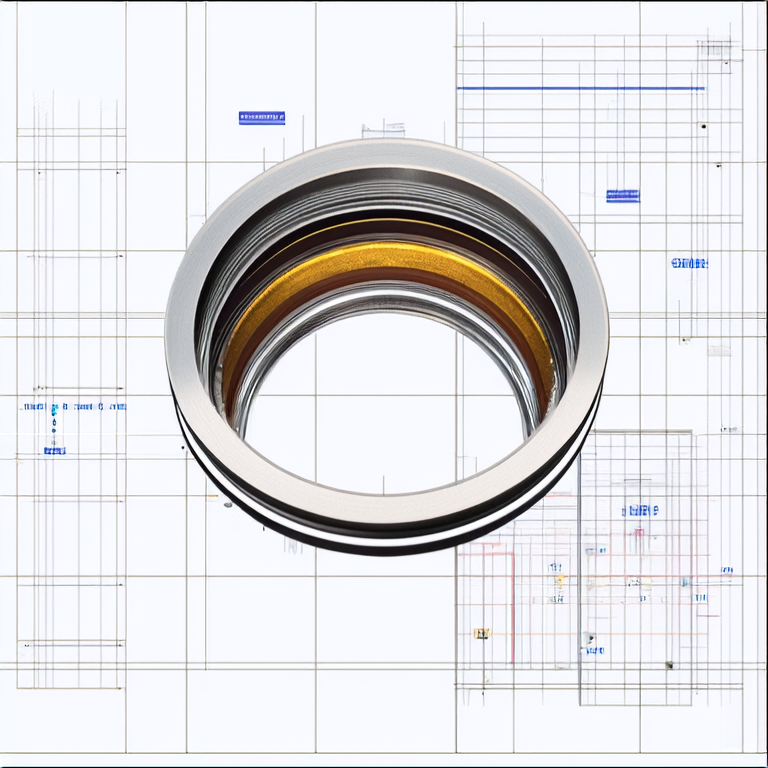
Designing clad heads and pressure vessel end closures involves multifaceted considerations, from selecting suitable materials to adhering to global standards. By focusing on these key areas, manufacturers can produce reliable, efficient, and durable pressure vessels that meet industry requirements. For further reference, consider utilizing KLS for advanced material solutions and refer to the image below for a visual representation of clad head design: