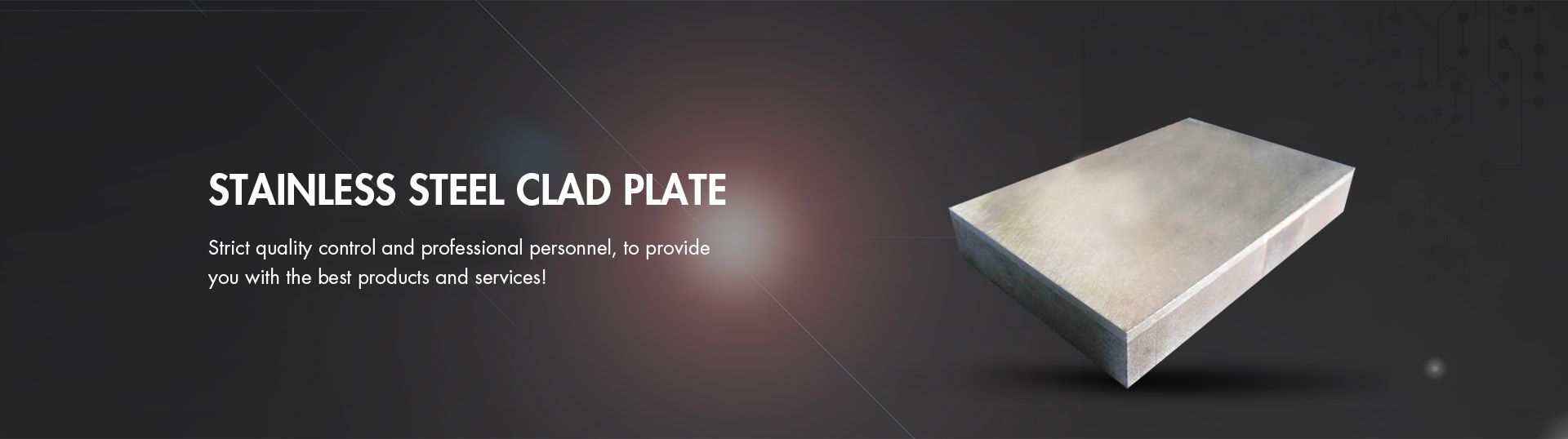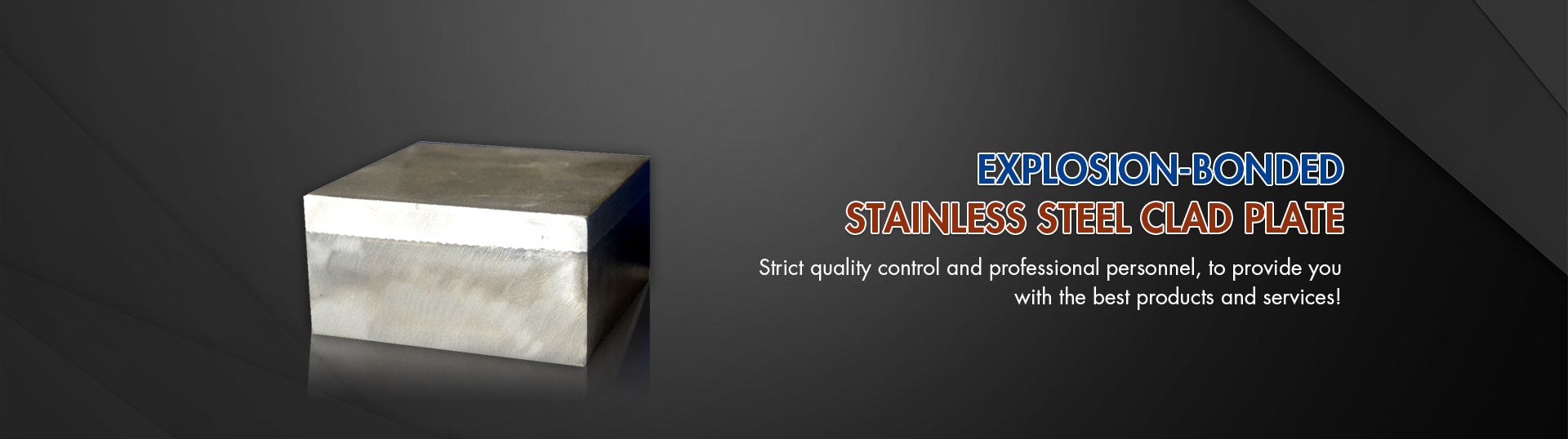
As the hydrogen economy rapidly expands, the demand for durable and efficient materials is surging. clad metals have emerged as a viable solution for various applications, particularly in hydrogen production and storage. These materials address common challenges such as corrosion resistance, cost efficiency, and structural integrity, frequently experienced by industries transitioning to green hydrogen technologies. According to a report from the International Hydrogen Energy Association, the global demand for hydrogen is expected to increase by 25% annually through 2030, making effective solutions more critical than ever.
Several key innovations and drivers are shaping the landscape of clad materials in the hydrogen economy:
Enhanced Corrosion Resistance: Research from the Material Science Institute shows that clad metals can have corrosion rates reduced by up to 90% compared to traditional materials, significantly improving their longevity in harsh environments.
Cost-Effective Production Techniques: Advanced fabrication techniques, such as roller cladding, allow for high-volume production of clad plates at a lower cost, fostering wider adoption in hydrogen-related applications.
Improved Thermal Conductivity: Certain clad materials demonstrate an increase in thermal conductivity by 30%, optimizing the efficiency of hydrogen production and storage systems.
Several trends are emerging that showcase the evolving use of clad materials within the hydrogen economy:
Increased Research Funding: Governments and private entities are investing significantly in hydrogen technology. As reported by the Hydrogen Fuel Cell and Battery Technologies Market Analysis, funding for research has increased by 40% in the last three years.
Adoption of Hybrid Systems: The integration of clad metals with other advanced materials has led to hybrid systems that achieve higher performance metrics, with efficiency improvements of up to 25% in hydrogen storage solutions.
Focus on Sustainability: As companies emphasize sustainable practices, the use of recyclable clad materials is gaining traction. For instance, a study by the Eco-Friendly Materials Digest indicates that recyclable clad metals can reduce environmental impacts by up to 15% in production processes.
The advent of clad metals in the hydrogen economy significantly impacts buyers by providing them with:
Cost Savings: The reduced maintenance and replacement costs due to increased durability lead to an average savings of 20% over the lifecycle of hydrogen production equipment.
Improved Safety: Enhanced corrosion protection minimizes risks associated with hydrogen leaks, thus bolstering buyer confidence.
Broad Applicability: Clad materials can be utilized across various sectors, from transportation to energy generation, making them versatile solutions for numerous applications.
For businesses looking to adopt clad materials in their hydrogen applications, consider the following practical suggestions:
Conduct a Comprehensive Needs Assessment: Identify specific requirements regarding corrosion resistance, material strength, and thermal properties relevant to your applications.
Engage with Reputable Suppliers: Choose suppliers like KLS, known for their expertise in clad materials, to ensure you receive high-quality products tailored to your needs.
Stay Informed on Industry Standards: Keep updated with the latest ASTM standards for clad metals to ensure compliance and optimal performance in hydrogen environments.
What are clad materials? Clad materials consist of a base metal bonded to one or more layers of different metals, enhancing properties like corrosion resistance and mechanical strength.
How do clad metals perform in hydrogen applications? Clad metals are particularly effective in hydrogen environments due to their superior resistance to hydrogen embrittlement and corrosion.
What industries can benefit from clad materials? Industries such as energy production, automotive, and aerospace, particularly those focused on hydrogen technologies, can significantly benefit from using clad materials.