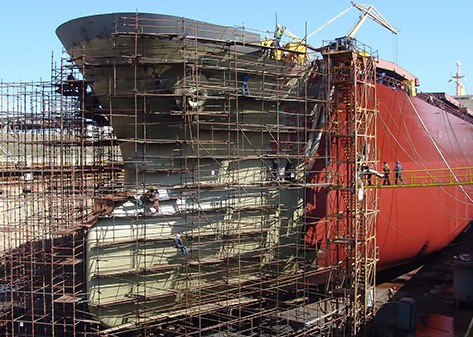
Ship Building And Drilling Platform
Application
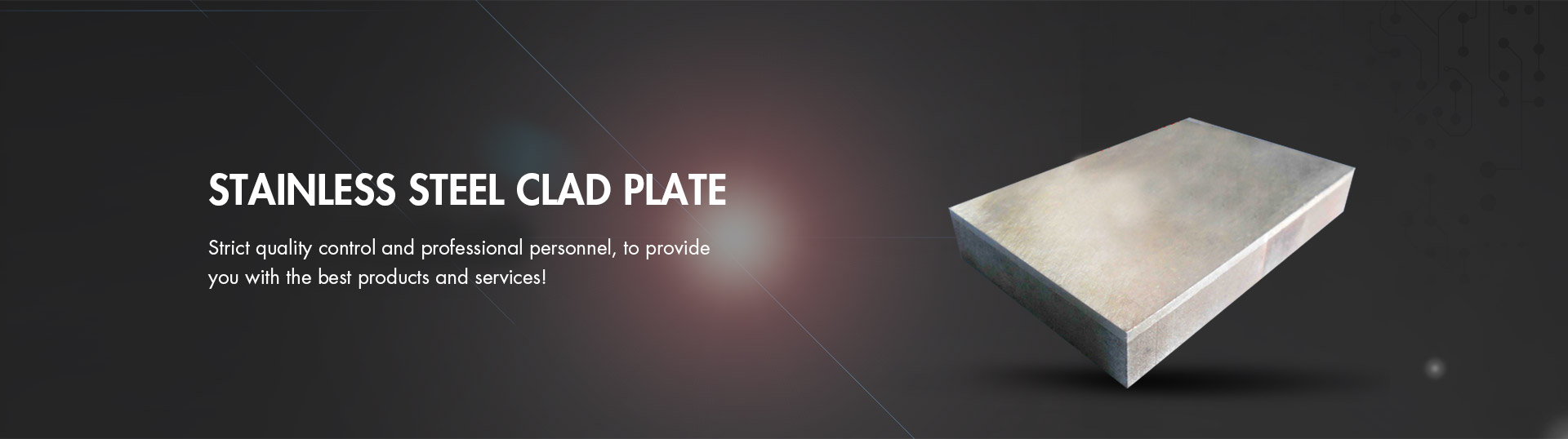
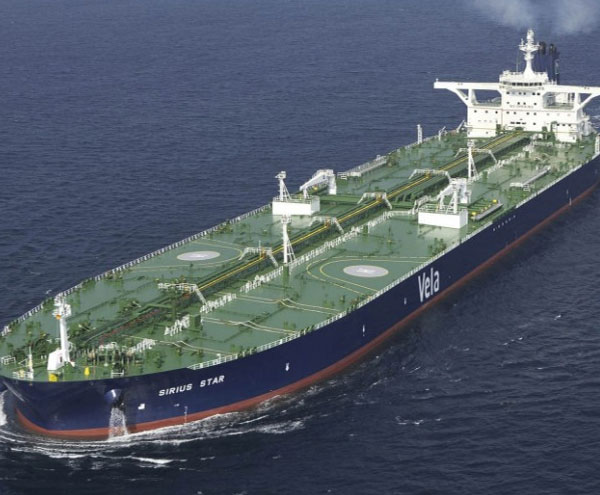
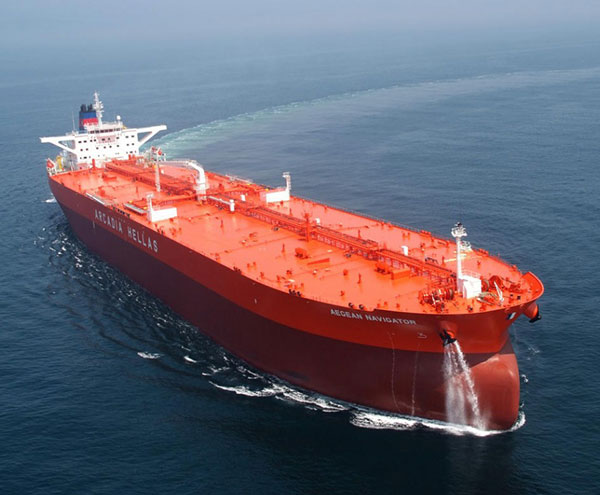
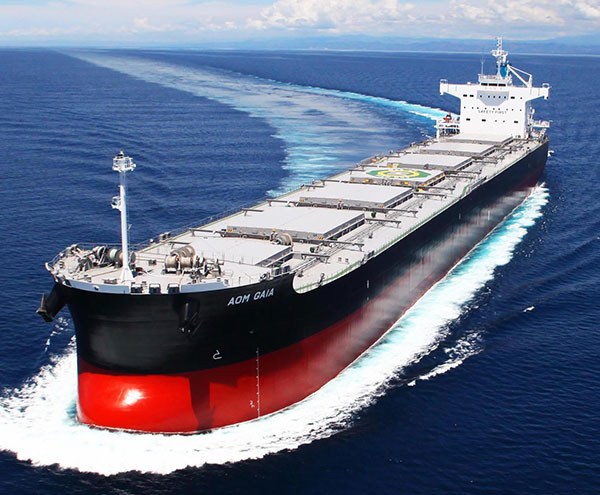
At present, the hot rolled brazing method has been developed in China to produce stainless steel clad plate. It is a high corrosion resistant stainless steel on the single side or double side of the shipbuilding plate, substituting or replacing the traditional anti-corrosion technology. It is applied to the manufacture of ships and oil storage tanks, even the ship has long corrosion resistance, and the strength of the ship plate is guaranteed.
In shipbuilding and offshore engineering, material performance directly affects safety, service life, maintenance cost, and operational stability. Vessels, offshore drilling platforms, oil storage tanks, and other marine structures are constantly exposed to seawater, salt spray, humidity, high impact loads, and aggressive corrosive environments. Under these conditions, traditional carbon steel alone is often not enough to provide long-term protection.
That is why stainless steel clad plate has become an increasingly preferred solution for shipbuilding and drilling platform applications. By combining a corrosion-resistant stainless steel layer with a strong carbon steel base, stainless steel clad steel plate delivers both structural strength and excellent anti-corrosion performance. It offers a practical alternative to fully stainless steel construction, helping shipbuilders and offshore engineering companies control cost while maintaining high quality and reliability.
At present, hot rolled bonding technology has been widely used in China to manufacture stainless steel clad plate for marine and offshore projects. This advanced composite material is applied to ship structures, offshore drilling platforms, marine equipment, and oil storage tanks, where it helps improve corrosion resistance without sacrificing mechanical strength.
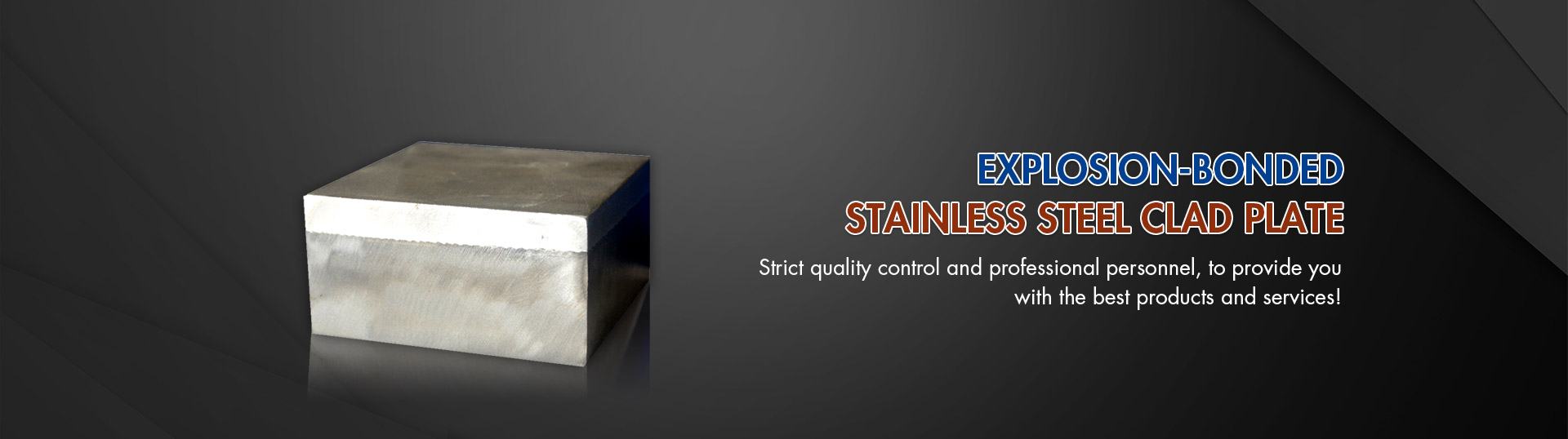
Stainless steel clad plate is a composite metal plate made by bonding stainless steel and carbon steel together through advanced metallurgical bonding technology. The stainless steel layer is used as the corrosion-resistant working surface, while the carbon steel layer provides strength, rigidity, and cost efficiency.
This structure is especially suitable for demanding marine and offshore environments because it combines the advantages of both materials in one product:
· The stainless steel layer resists corrosion from seawater, moisture, and salt exposure.
· The carbon steel base provides excellent mechanical support and structural stability.
· The overall cost is much lower than using solid stainless steel for the entire structure.
For shipbuilding and drilling platform applications, this balance is extremely important. Marine structures must be strong enough to withstand heavy loads and dynamic forces, but they must also resist long-term corrosion in harsh environments. Stainless steel clad plate meets both requirements effectively.
Shipbuilding is one of the most demanding industrial applications for metal materials. Ships operate in environments where metal corrosion happens quickly due to saltwater, humidity, and continuous exposure to harsh weather. If the wrong material is used, the result can be expensive repair work, reduced service life, and even safety risks.
Stainless steel clad plate is a strong solution for these challenges because it offers multiple benefits for ship hulls, decks, internal structures, and critical marine components.
The stainless steel surface layer provides outstanding resistance to seawater corrosion, chloride attack, and atmospheric oxidation. This makes it highly suitable for ship structures that are frequently exposed to marine conditions.
Unlike pure stainless steel, which can be expensive and unnecessary for every part of a ship, clad steel plate uses carbon steel as the base layer. This gives the material high strength and durability while still allowing the corrosion-resistant surface to do its job.
One of the biggest advantages of stainless steel clad plate is cost reduction. Instead of making the entire ship section from expensive stainless steel, shipbuilders can use clad plate to achieve the required performance at a much lower total cost.
By reducing corrosion and protecting the base structure, stainless steel clad plate helps extend the life of ship components and lowers maintenance frequency. This is especially valuable for vessels operating in marine environments for long periods.
Offshore drilling platforms face even more severe conditions than many other marine structures. These platforms are exposed not only to seawater and salt spray, but also to wind, waves, temperature changes, and industrial chemicals. In many cases, the platform must operate continuously in a highly corrosive environment with limited maintenance access.
Common corrosion problems include:
· Salt-induced corrosion from seawater and spray
· Crevice corrosion in joints and welded areas
· Pitting corrosion caused by chloride exposure
· Stress-related material fatigue in high-load zones
· Surface degradation due to moisture and airborne contaminants
Because of these challenges, offshore drilling platform material selection is critical. Stainless steel clad plate provides a practical solution by combining corrosion resistance and structural strength in one product. It is particularly useful in areas where long-term protection is needed but full stainless steel construction would be too expensive.
Stainless steel clad plate is widely used across the marine and offshore industries due to its ability to handle harsh working conditions. Typical applications include:
Ship hulls are constantly in contact with seawater and require reliable protection against corrosion. Stainless steel clad steel plate can be used in selected hull sections where corrosion resistance is especially important.
Deck surfaces, support structures, and internal compartments often require a material that can handle moisture, impact, and continuous environmental exposure. Clad plate offers a strong and stable solution.
Offshore drilling platforms operate in one of the most corrosive environments in the world. Stainless steel clad plate is used for platform structures, walkways, support components, and other critical areas requiring both durability and corrosion resistance.
Oil storage tanks used in marine or coastal environments often need anti-corrosion protection on both the interior and exterior surfaces. Stainless steel clad plate is an effective material for such applications.
Marine engineering projects often involve structural parts exposed to saltwater, humidity, and mechanical stress. Clad steel plate is a reliable choice for these demanding uses.
The performance of clad steel plate depends heavily on the bonding process. In marine and offshore applications, hot rolled bonding technology is commonly used to produce high-quality stainless steel clad plate.
During the hot rolling process, the stainless steel layer and carbon steel base are bonded together under high temperature and pressure. This creates a strong metallurgical bond that ensures the two layers work together as one material.
The hot rolled process offers several advantages:
· Strong bonding strength between layers
· Stable mechanical performance
· Uniform plate quality
· Suitable for large-scale industrial fabrication
· Reliable performance in marine and offshore environments
This manufacturing method is one of the reasons stainless steel clad plate has become such a practical option for shipbuilding and drilling platform projects. It offers the strength and corrosion resistance needed for demanding environments while remaining cost-effective for large-scale engineering use.
For shipbuilders, offshore contractors, and marine equipment manufacturers, choosing the right material can significantly impact project performance and lifecycle cost. Stainless steel clad plate offers several clear advantages in the marine industry.
The stainless steel cladding protects the surface from seawater, salt spray, and humidity, reducing the risk of premature material failure.
The carbon steel backing provides the mechanical strength needed for structural applications such as ship hulls, offshore platforms, and storage tanks.
Compared with using full stainless steel, clad plate significantly reduces material expenses while still delivering strong anti-corrosion performance.
Because the corrosion-resistant layer helps slow deterioration, maintenance intervals can be extended, reducing downtime and operational disruption.
Stainless steel clad plate can be processed, cut, welded, and fabricated for a variety of marine and offshore project requirements.
Different marine and offshore projects require different plate sizes, thicknesses, and surface requirements. That is why custom stainless steel clad plate solutions are often the best choice.
A professional supplier can provide:
· Customized plate dimensions
· Different stainless steel grades
· Specific carbon steel base materials
· Thickness options for different load conditions
· Project-based fabrication support
· OEM and engineering customization
Whether the application is shipbuilding, offshore drilling platforms, or oil storage tanks, a customized solution helps ensure the material fits the project exactly and performs reliably over the long term.
For marine and offshore structures, reliability is not optional. Materials must perform in harsh conditions for years, often with limited maintenance access and high operational demands. Stainless steel clad plate is a smart choice because it delivers the performance of corrosion-resistant stainless steel and the strength of carbon steel in one material.
It is widely used in shipbuilding and offshore drilling platform applications because it helps solve three major problems at once: corrosion, strength, and cost.
For companies looking for a dependable marine corrosion protection solution, stainless steel clad plate offers a balanced and proven answer.
Shipbuilding and offshore drilling platform applications require materials that can withstand extreme environmental stress while delivering long-term structural reliability. Conventional steel alone is often not enough, and full stainless steel can be too expensive for large-scale industrial use.
Stainless steel clad plate provides an effective solution. With a corrosion-resistant stainless steel layer and a strong carbon steel base, it is ideal for marine structures, offshore platforms, oil storage tanks, and other demanding applications. Its excellent balance of durability, anti-corrosion performance, and cost efficiency makes it one of the most practical materials for modern marine engineering.
As the marine and offshore industries continue to demand higher performance and lower lifecycle cost, stainless steel clad plate will remain a key material choice for shipbuilding and drilling platform projects.
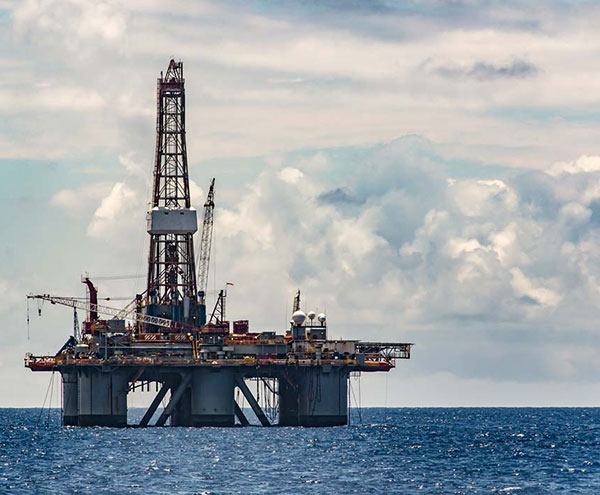
Offshore Drilling Platform
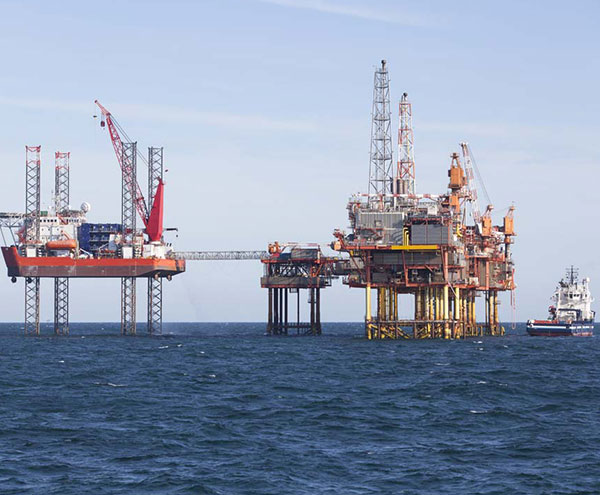
Offshore Drilling Platform-2
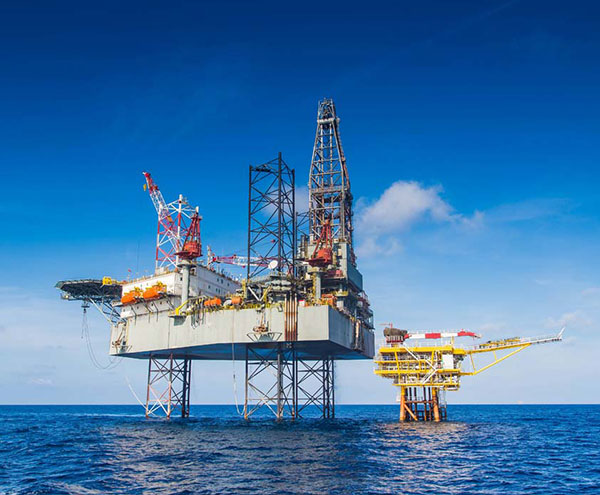
Offshore Drilling Platform-3
Shipbuilding-2
Shipbuilding-3
Shipbuilding-4