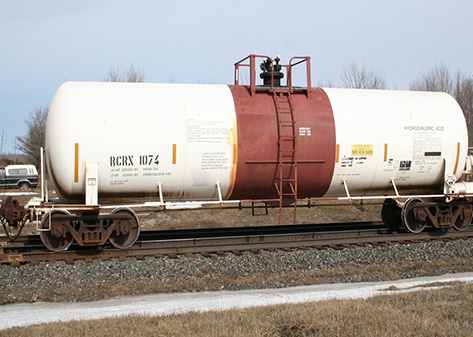
Locomotive Tank Car
Application
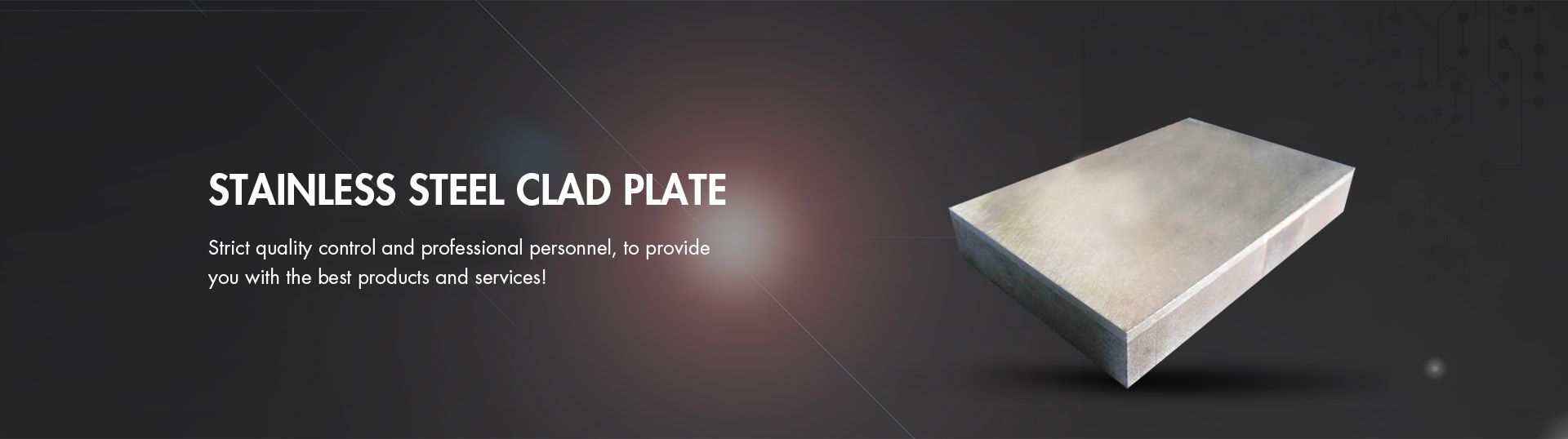
The manufacture of liquid tanks and special tanks for ethylene glycol, olive oil, chemical raw materials and so on has gradually adopted stainless steel clad plates. The field of application will be very extensive. Just a few millimetres of stainless steel has the capacity to stand the corrosion while saving costs greatly. What is more, the stainless steel is backed by carbon steel which features a high strength. They make an excellent complement to each other.
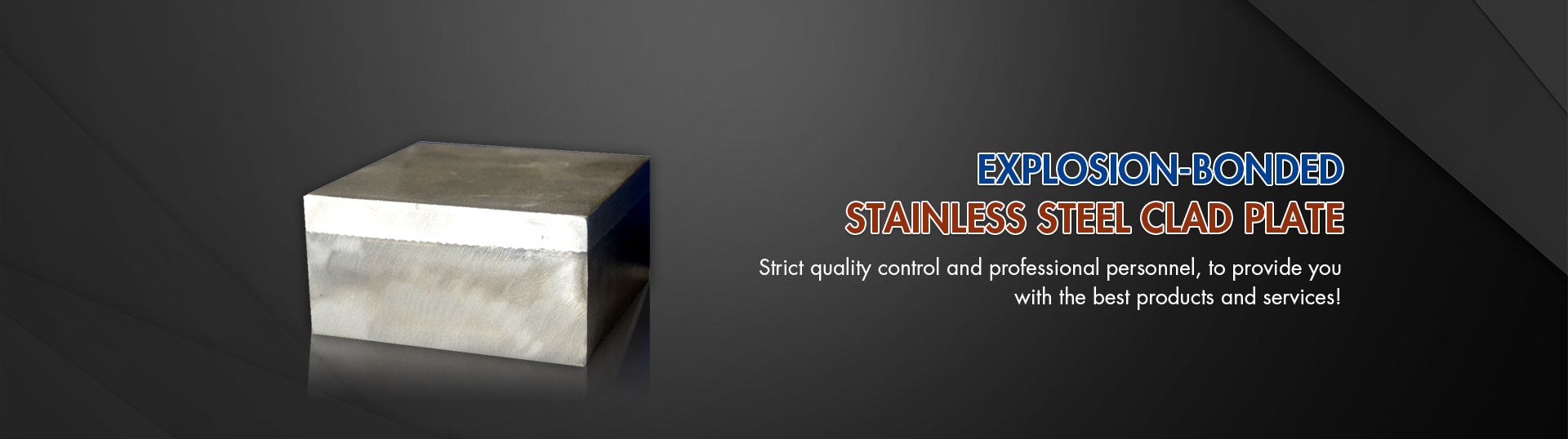
KLS supplies custom stainless steel clad plate for rail tank cars, railway tank wagons and other liquid transport tank fabrication projects. By metallurgically bonding a corrosion-resistant stainless steel layer to a carbon or pressure-vessel steel backing, the material combines a durable cargo-contact surface with the structural strength required for tank construction.
This composite design can reduce the amount of high-alloy material required compared with solid stainless steel plate, helping tank fabricators balance corrosion performance, mechanical strength and project cost.
In a typical rail tank car application, the stainless steel cladding faces the transported liquid, while the carbon steel backing provides strength and fabrication support. The two layers are bonded into an integrated plate rather than installed as a loose liner.
The final stainless grade, base material and thickness configuration must be selected according to the cargo, concentration, operating temperature, pressure, cleaning method and applicable tank construction standard.
◆ Cargo-side corrosion resistance: The stainless steel layer helps protect the tank surface from compatible corrosive or moisture-sensitive liquids.
◆ Structural strength: Carbon or pressure-vessel steel backing provides the mechanical support required for tank shells and related components.
◆ Lower alloy consumption: Only the product-contact side requires the selected corrosion-resistant alloy, avoiding unnecessary use of solid stainless plate where clad construction is permitted.
◆ Fabrication flexibility: Properly specified clad plate can be cut, rolled, bent, formed and welded using procedures suitable for both the base and cladding materials.
◆ Product cleanliness: A suitable stainless grade and finish can provide a cleanable contact surface for purity-sensitive transport applications.
| Transport Application | Material Requirement | Role of Clad Plate |
|---|---|---|
| Ethylene glycol and compatible chemical liquids | Cargo compatibility and internal corrosion control | Stainless cladding provides the product-contact surface while the backing steel supports the tank structure. |
| Edible oils, including olive oil | Cleanability and protection against cargo contamination | An appropriately selected stainless grade and surface finish creates a cleanable internal surface. |
| Chemical raw materials | Resistance to the specific chemical composition, concentration and temperature | The cladding grade can be selected according to the intended service environment. |
| Industrial process liquids | Strength, corrosion resistance and economical material use | Clad construction combines a corrosion-resistant layer with a lower-cost structural backing. |
| Custom tank shells and heads | Compatible material performance across formed tank components | Clad plate and clad heads for pressure vessels can be considered according to the fabricator’s design. |
| Bonding Processes | Hot-roll bonding and explosion bonding |
|---|---|
| Cladding Materials | 300-series stainless steel, duplex 2205 and other project-specific options |
| Published Base Materials | Q235B, Q245R and Q345R carbon or pressure-vessel steel |
| Hot-Rolled Plate Range | Total thickness of 5–50 mm; cladding thickness of 1–10 mm; width up to 2,500 mm; length up to 15,000 mm |
| Explosion-Bonded Plate Range | Total thickness of 12–200 mm; cladding thickness of 2–15 mm; customized plate types and shapes available |
| Configuration | Single-sided or double-sided cladding according to project requirements |
| Processing Support | Flattening, shearing, slitting, surface grinding and related forming services |
The specifications above represent KLS’s general published supply capabilities. They do not constitute automatic approval for a specific rail tank car class. Final materials and dimensions must follow the purchaser’s drawing, cargo compatibility assessment and applicable railway tank standard.
No single stainless steel grade is suitable for every liquid or chemical. Before selecting a rail tank car clad plate, the following information should be reviewed:
◆ Transported product and chemical composition
◆ Concentration, moisture content and possible impurities
◆ Design and operating temperature
◆ Design pressure and tank car classification
◆ Required corrosion allowance
◆ Cleaning and sterilization procedures
◆ Forming, welding and post-weld treatment requirements
◆ Applicable AAR, ASTM, ASME, EN or customer specification
◆ Required inspection, testing and material documentation
KLS supplies metal clad materials for tanks, pressure vessels, chemical processing equipment and other corrosion-sensitive industrial applications. Customers can specify the base material, cladding material, layer thickness, overall plate dimensions and finish according to their fabrication requirements.
◆ Hot-roll-bonded and explosion-bonded clad plate options
◆ Custom base and cladding material combinations
◆ Plate, sheet and clad head supply capabilities
◆ Cutting, flattening, slitting, grinding and forming support
◆ Export packaging for international industrial projects
For a more accurate quotation, please provide the cargo, applicable tank car or tank wagon standard, base and cladding grades, total thickness, cladding thickness, plate dimensions, quantity, delivery condition and required inspection documents.
Contact KLS to discuss stainless steel clad plate for your rail tank car fabrication project.
Clad plate is a bonded composite consisting of a structural base plate and a corrosion-resistant alloy layer. In tank construction, the alloy layer normally forms the cargo-contact surface.
Clad steel concentrates the corrosion-resistant alloy where it is needed while using carbon or pressure-vessel steel for structural support. Where permitted by the design standard, this can provide a more economical material solution than solid stainless steel.
The grade must be selected according to the transported chemical, concentration, impurities, temperature and cleaning conditions. Common stainless options include 304/304L, 316/316L and duplex grades, but compatibility must be confirmed for each project.
No material should be treated as universally approved. Compliance depends on the complete tank design, material specification, manufacturing procedure, inspection requirements and regulations applicable to the destination market.
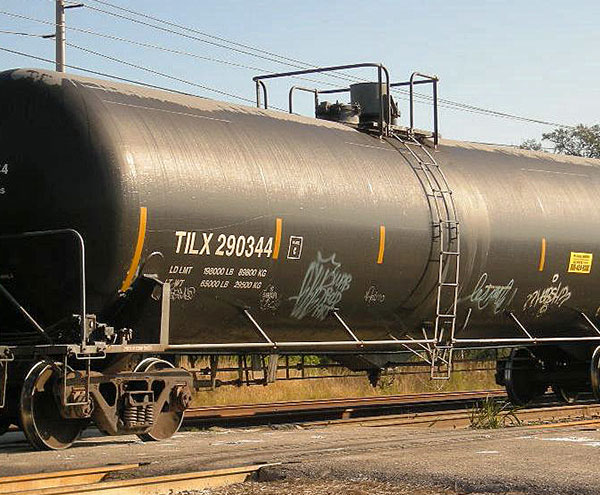
Fuel Tank Car
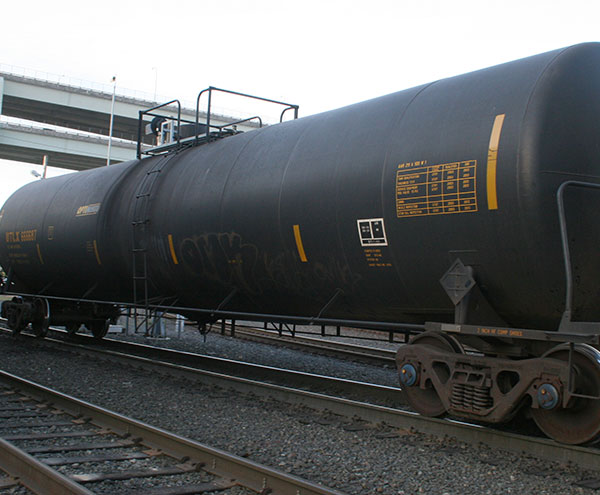
Gas Tank Car
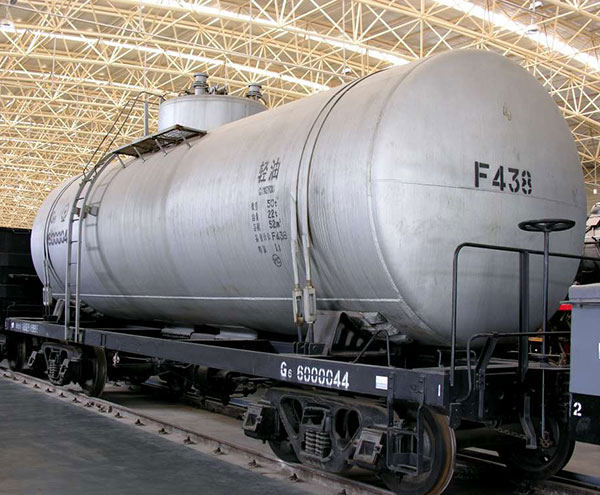
Storage Tank Locomotive
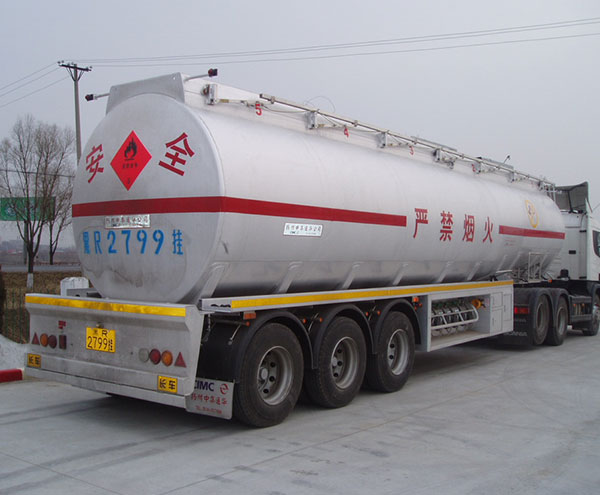
Tank Car
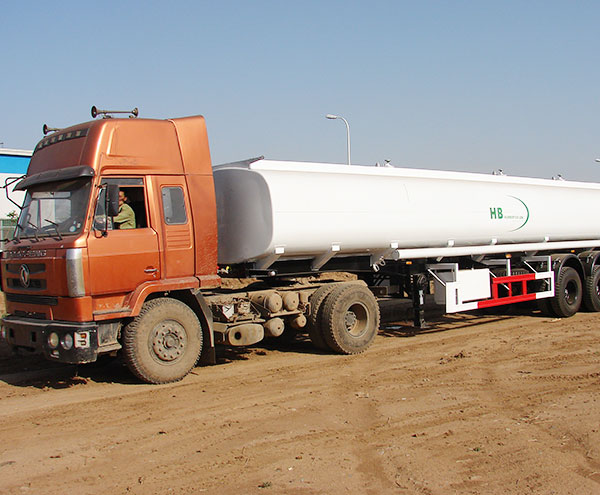
White Gas Tank Car
Water Tanker Truck