
Industrial Storage Tank
Application
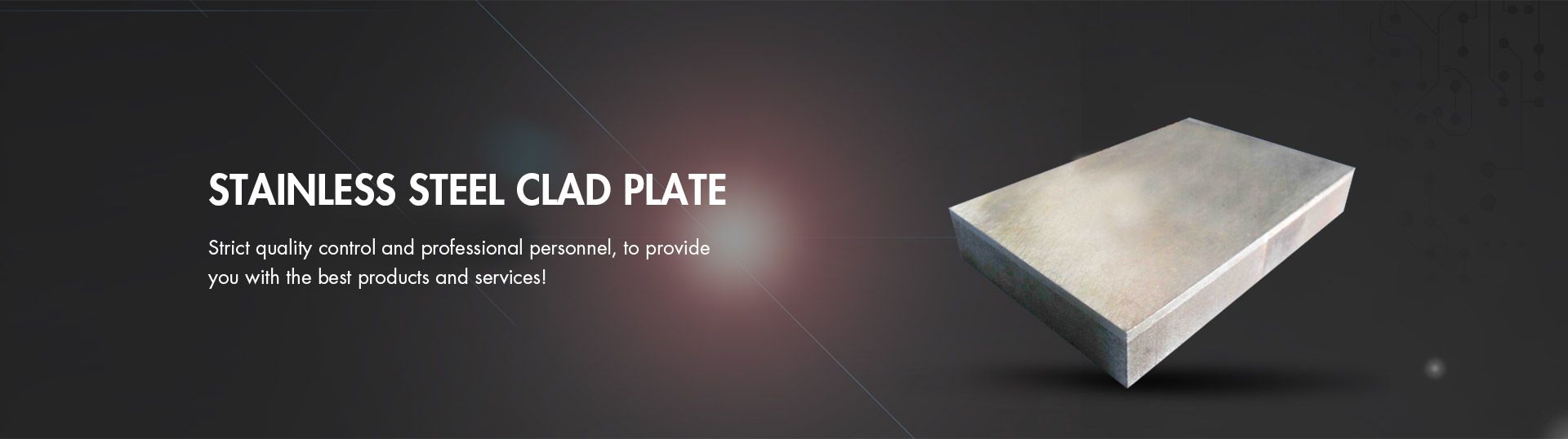
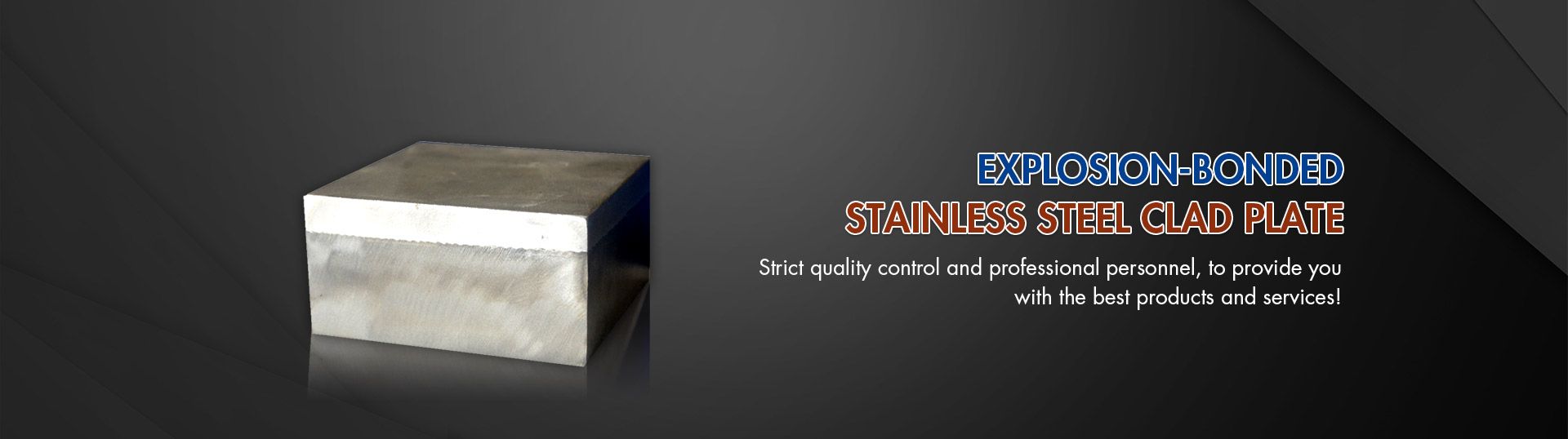
In recent years, the paper industry, the sugar industry, the flour and corn processing industry and other storage equipment have used stainless steel clad plate, stainless steel clad plate as a new type of energy saving material, reducing the cost of precious metals and reducing the cost of the project. The perfect combination of low cost and high performance is achieved.
KLS supplies stainless steel clad plate for the fabrication of industrial storage tanks used in chemical liquid storage, paper and pulp operations, and sugar processing. The corrosion-resistant cladding forms the product-contact surface, while the carbon steel or vessel steel base provides the thickness and structural capacity required by the tank design.
The material is supplied as clad plate or sheet for tank fabricators, EPC contractors, equipment manufacturers, and industrial project buyers. Cladding grade, base metal, layer thickness, plate dimensions, surface condition, and processing requirements can be specified according to the stored medium, tank drawings, fabrication method, and applicable project standard.
In a typical single-sided tank plate, the stainless steel layer faces the stored liquid, vapour, condensate, or cleaning medium. The base metal faces away from the stored product and carries the structural loads defined by the tank design.
This arrangement places the corrosion-resistant material where it is needed without requiring the entire plate thickness to be made from stainless steel. It can therefore reduce the amount of high-alloy material used in large tank projects while retaining a metallurgically bonded contact surface.
◆ Cladding layer: Selected for compatibility with the stored medium, impurities, temperature, deposits, and cleaning chemicals.
◆ Base layer: Selected according to tank structure, design loads, fabrication code, weldability, and operating conditions.
◆ Bonded interface: Maintains the connection between the corrosion-resistant layer and structural base during forming, fabrication, and service.
Explore the available stainless steel clad plate options for different industrial projects.
Material selection cannot be based on the industry name alone. The exact liquid composition and operating conditions must be reviewed before the cladding grade and thickness are confirmed.
| Storage Application | Storage Duty | Material Factors to Confirm |
|---|---|---|
| Chemical Liquid Storage | Specified chemical liquids, intermediates, process solutions, additives, and other bulk liquids that require a corrosion-resistant contact surface. | Chemical identity, concentration range, pH, water content, chlorides, other impurities, storage temperature, vapour conditions, and cleaning method. |
| Paper and Pulp Storage | Process liquids, water, additives, and liquors used or recovered during paper and pulp production. | Actual process chemistry, suspended solids, deposits, temperature, liquid-level changes, wash-down frequency, and chemical cleaning procedures. |
| Sugar Processing Storage | Sugar solutions, syrups, process water, and related production liquids. | Product concentration, operating temperature, cleaning chemicals, required surface condition, contamination control, and any applicable hygiene or food-contact requirements. |
Each medium must be reviewed against the proposed cladding alloy. A grade that performs satisfactorily in one paper, sugar, or chemical plant may not be suitable for another plant with different impurities, temperatures, or cleaning practices.
The same material arrangement does not have to be used throughout the entire tank. Shell courses, bottom plates, roof sections, nozzles, and internal components can be evaluated separately according to their exposure and structural role.
| Tank Area | Cladding Orientation | Points to Evaluate |
|---|---|---|
| Tank Shell | The stainless steel clad face normally points inward toward the stored medium. | Liquid height, hydrostatic load, vapour zone, temperature gradient, corrosion allowance, shell-course thickness, and plate rolling requirements. |
| Tank Bottom | The clad face normally points upward toward the stored liquid. | Settled solids, water accumulation, deposits, local corrosion risk, drainage, cleaning access, and bottom-to-shell joints. |
| Roof, Top or Head | The clad face should be directed toward the internal atmosphere when vapour, condensate, spray, or cleaning media may contact the surface. | Headspace chemistry, condensation, roof configuration, temperature changes, and whether the area requires the same alloy as the wetted shell. |
| Nozzles and Manways | The corrosion-resistant surface should remain continuous across wetted openings and connection areas. | Nozzle material, flange face, weld overlay, clad transitions, gaskets, internal attachments, and inspection access. |
| External Surface | The carbon steel base is generally on the outside of a single-sided clad tank plate. | Atmospheric exposure, external coating, insulation, water ingress, marine environment, and corrosion under insulation. |
Long-term storage can expose a tank to conditions that are different from short laboratory immersion tests. Liquid-level changes, deposits, headspace condensation, shutdown periods, and repeated cleaning can create separate corrosion zones inside the same tank.
| Project Information | Why It Matters |
|---|---|
| Stored Medium | Provide the chemical or product name, composition, safety data sheet, and all expected operating concentrations. |
| Water and Impurities | Water, chlorides, sulfur compounds, residual chemicals, and trace contaminants may change corrosion behaviour. |
| Temperature Range | State normal, maximum, minimum, filling, cleaning, and shutdown temperatures rather than providing only one nominal value. |
| Liquid Level and Headspace | Continuous immersion, alternating wet and dry conditions, vapour exposure, and condensation may require different evaluations. |
| Deposits and Solids | Sediment, fibres, crystals, or other deposits can retain moisture and create local conditions beneath the deposit. |
| Cleaning Procedure | Identify water washing, steam cleaning, mechanical cleaning, alkaline solutions, acids, disinfectants, cleaning temperature, and frequency. |
| Tank Configuration | Specify vertical or horizontal construction, atmospheric or low-pressure service, shop or field fabrication, and any design pressure or vacuum. |
| Design Life and Inspection | Expected service life, inspection intervals, corrosion allowance, repair access, and acceptance criteria affect the material specification. |
The corrosion-resistant alloy should be selected from the actual storage and cleaning data. The base material should be selected by the tank designer according to structural calculations, operating conditions, fabrication standard, and welding requirements.
◆ 304 or 304L: May be considered for general storage environments after compatibility with the liquid and cleaning media has been confirmed. Low-carbon grades are commonly considered for welded construction.
◆ 316 or 316L: Provides molybdenum-containing stainless steel options for certain corrosive and chloride-containing environments. It should not be treated as a universal grade for every chemical liquid.
◆ Duplex 2205: Can be evaluated where higher strength or improved resistance to specific chloride-containing conditions is required. Forming, welding, and heat-input controls must match the duplex material.
◆ Other corrosion-resistant alloys: More highly alloyed stainless steel, nickel alloy, or titanium clad systems may be evaluated when ordinary stainless steel does not meet the service conditions.
KLS material combinations include structural and vessel steel grades such as Q235B, Q245R, Q345R, and A516 Grade 60 or 70. The base grade must be selected according to the tank code and structural design rather than the corrosion resistance required on the product-contact surface.
| Total Plate Thickness | 5–50 mm |
|---|---|
| Cladding Thickness | 1–10 mm |
| Maximum Width | 2500 mm |
| Maximum Length | 15000 mm |
| Surface Finish | No.1 or according to project requirements |
| Reference Standard | YB/T 4282-2012; other project standards can be reviewed |
| Supply Form | Hot-rolled clad plate or sheet; cutting, forming, and other processing requirements should be confirmed from drawings |
The final available size depends on the grade combination, layer thickness, bonding route, processing requirements, order quantity, and production review. Wider or longer plates can help tank fabricators reduce the number of joints, but plate dimensions must also suit forming equipment, transport limitations, and site installation plans.
View detailed specifications for hot-rolled stainless steel clad plate.
| Comparison | Stainless Steel Clad Plate | Solid Stainless Steel | Coated Carbon Steel |
|---|---|---|---|
| Material Arrangement | A metallurgically bonded stainless steel contact layer over a structural steel base. | Stainless steel extends through the full plate thickness. | A coating or lining separates the carbon steel from the stored medium. |
| High-Alloy Material Use | Concentrates the corrosion-resistant alloy at the exposed surface. | Uses corrosion-resistant alloy through the entire structural section. | Uses carbon steel as the tank structure and a separate barrier system. |
| Fabrication | Requires suitable forming, edge preparation, welding, clad restoration, and contamination controls. | Requires stainless steel fabrication and contamination controls but no bonded interface. | Requires steel fabrication followed by controlled surface preparation and coating application. |
| Inspection | Includes plate dimensions, surface condition, bond integrity, welds, and continuity of the corrosion-resistant surface. | Focuses on base material, weld quality, surface condition, and corrosion allowance. | Includes surface preparation, coating thickness, adhesion, holiday testing, and repaired areas. |
| Maintenance | Wetted surfaces, joints, nozzles, and repaired clad areas should be included in tank inspections. | Inspection focuses on corrosion, welds, contamination, and local surface damage. | The coating condition must be monitored, and damaged areas may require local repair or recoating. |
| When to Consider | Large tanks requiring a corrosion-resistant internal surface and substantial structural plate thickness. | Projects requiring full-thickness stainless steel, smaller components, or specific hygienic and fabrication conditions. | Services compatible with a coating system where inspection access and future coating maintenance are acceptable. |
The appropriate option should be determined from total project requirements rather than material price alone. Tank size, corrosion risk, welding, inspection, coating maintenance, expected service life, shutdown costs, and repair access should all be included in the comparison.
◆ Identify and mark the clad side before cutting, rolling, forming, and assembly.
◆ Protect the stainless surface from scratches, impact damage, iron contamination, and contact with unclean carbon steel tools.
◆ Confirm plate rolling direction, forming sequence, minimum forming radius, and dimensional allowance with the material combination and plate thickness.
◆ Develop qualified welding procedures for the base metal, transition area, and corrosion-resistant surface.
◆ Control edge preparation and weld sequencing to prevent excessive dilution or discontinuity of the stainless steel layer.
◆ Maintain the corrosion-resistant path around nozzles, manways, internal attachments, bottom joints, and repaired areas.
◆ Specify any required post-weld cleaning, pickling, passivation, surface grinding, or polishing in the fabrication documentation.
◆ Define material certificates, dimensional inspection, surface inspection, bond testing, ultrasonic examination, mechanical testing, marking, and traceability requirements in the purchase order.
Provide the following information so the material combination and supply scope can be reviewed:
◆ Stored liquid name, composition, concentration range, impurities, and safety data sheet;
◆ Normal and maximum operating temperature, cleaning temperature, design pressure, and vacuum conditions;
◆ Tank type, capacity, dimensions, roof arrangement, and shop- or field-fabrication plan;
◆ Application areas such as shell, bottom, roof, head, nozzles, and internal components;
◆ Required cladding grade, base grade, cladding thickness, base thickness, and corrosion allowance;
◆ Plate or blank dimensions, quantity, surface finish, edge condition, and forming requirements;
◆ Applicable material and tank standards;
◆ Inspection, testing, certification, marking, packing, and delivery requirements;
◆ Tank drawings, material specification, and project schedule, when available.
For reactors, columns, heat exchangers, and other processing equipment, refer to our clad plate applications for chemical equipment.
Send KLS your stored-medium data, tank drawings, required material combination, thickness, plate dimensions, quantity, and inspection requirements. Our team will review the information and confirm the suitable clad plate supply range for your tank fabrication project.
Contact KLS for an industrial storage tank clad plate quotation.
For a single-sided clad plate, the stainless steel or other corrosion-resistant cladding normally faces the stored liquid. The carbon steel base faces outward and provides the structural section required by the tank design.
Yes. These areas may experience different liquid, vapour, condensate, deposit, temperature, and structural conditions. Each section can be evaluated separately instead of automatically using the same grade and clad thickness throughout the tank.
No. The stored medium, full concentration range, contaminants, water content, temperature, headspace conditions, deposits, and cleaning chemicals must be reviewed. The industry name or pH value alone is not enough to confirm compatibility.
Hot-rolled flat plate or sheet is the main supply form. Custom dimensions and processing requirements can be discussed according to the tank drawings, material combination, thickness, quantity, and fabrication plan.
Not in every project. Clad plate can reduce the quantity of high-alloy material required, particularly for large and thick tank components. However, the final comparison must also include bonding, forming, welding, inspection, transport, future maintenance, and the complete tank fabrication method.

chemical storage tanks

Chemical Tanks

Horizontal Tank

Huge Tank

Paper Making Tower

Sugar Storage Tanks