Bridge Formwork
Application
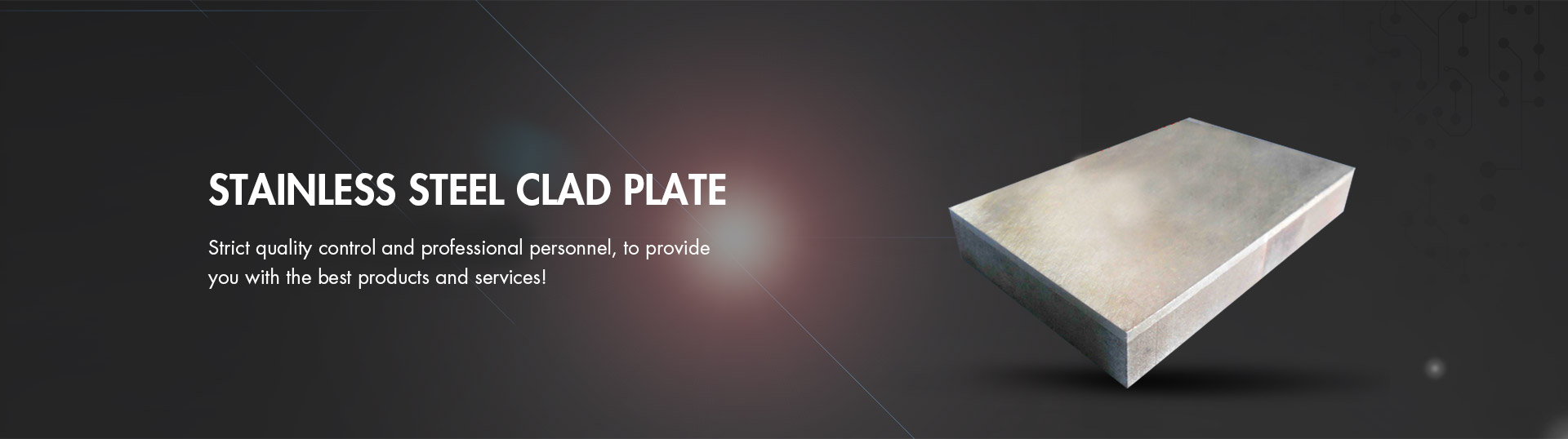
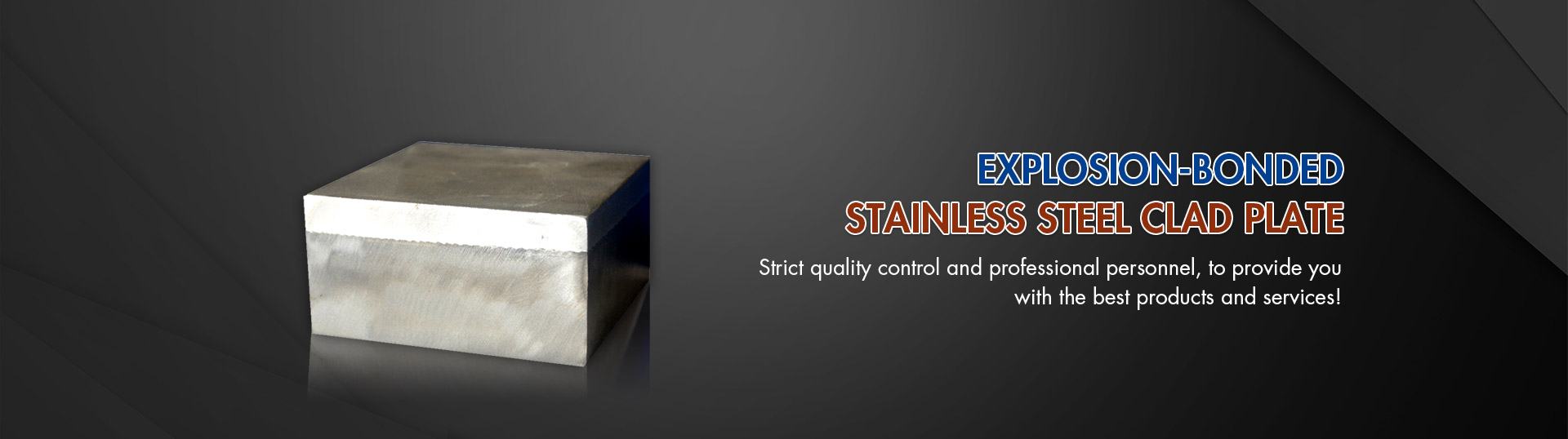
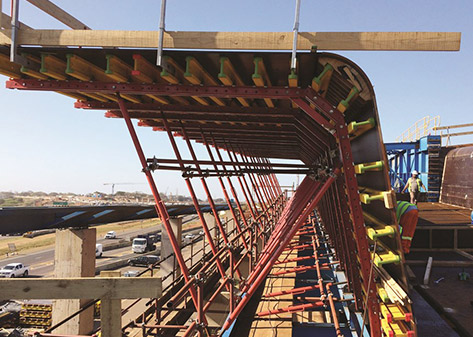
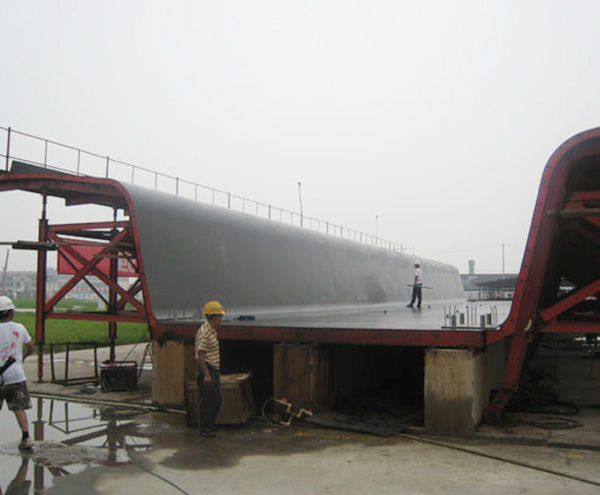
Stainless steel clad plate is the perfect fit for bridge pier steel template, the minimum thickness of the coating can reach 0.5mm, the most possible length is 15000mm. Stainless steel clad plates can be processed by hot pressing, cold bending, cutting, welding and so on. The stainless steel coating side is highly corrosion-resistant and does not adhere to cement, which is the best choice for bridge mold.
KLS supplies stainless steel clad plate for bridge formwork, combining a durable stainless steel working surface with the strength and rigidity of a carbon or bridge steel base. It is designed for formwork fabricators, precast concrete plants and bridge contractors requiring reliable panel materials for repeated concrete casting.
Compared with solid stainless steel plate, the clad structure places corrosion-resistant stainless steel only on the concrete-contact surface. The base layer provides structural strength and fabrication performance, helping control material costs without sacrificing the functional surface required by demanding bridge projects.
Explore our complete range of stainless steel clad plates for custom engineering applications.
The quality of the formwork surface directly affects concrete appearance, cleaning time and the service life of the mold. Stainless steel composite plate provides several practical advantages:
◆ Reduced concrete adhesion: The smooth stainless steel face helps reduce cement residue and makes cleaning and demolding easier.
◆ Improved corrosion resistance: The working surface withstands moisture, washdown and outdoor jobsite exposure better than untreated carbon steel.
◆ Stable structural support: The carbon or bridge steel base provides the strength and rigidity required for large formwork panels.
◆ Consistent concrete finish: A properly fabricated stainless surface helps produce smoother exposed concrete with fewer surface defects.
◆ Cost-efficient material structure: Stainless steel is used where corrosion resistance and surface quality are needed, while the thicker base remains economical structural steel.
◆ Good fabrication performance: Plates can be cut, bent, formed and welded according to the formwork manufacturer’s drawings and fabrication process.
Our bridge formwork clad plate can be considered for the concrete-contact panels used in:
◆ Bridge pier steel formwork
◆ Precast box girder molds
◆ T-beam and U-beam formwork
◆ Bent cap and cap beam formwork
◆ Bridge barrier and guardrail molds
◆ Segmental bridge molds
◆ Curved and special-shaped bridge formwork
◆ Other reusable precast concrete molds
Material thickness, surface finish, bending radius and welding procedures should be selected according to the formwork structure, concrete pressure and required reuse cycles.
KLS can customize the cladding material, base material, plate thickness and dimensions according to project drawings.
| Item | Available Options |
|---|---|
| Cladding materials | 304, 304L, 316, 316L, 321 and duplex 2205 stainless steel |
| Base materials | Carbon steel, structural steel and bridge steel grades |
| Bridge steel options | Q370qD/E, Q420qD/E and Q500qD/E series |
| Bonding processes | Hot-roll bonding, explosion bonding or project-specific composite processing |
| Plate configuration | Single-sided stainless steel clad plate or customized construction |
| Surface finish | No.1 or customized working surface |
| Further processing | Cutting, bending, forming, flattening and welding preparation |
For our standard hot-rolled stainless steel clad plate, the published range includes 5–50 mm total thickness, a 1–10 mm stainless cladding layer, widths up to 2,500 mm and lengths up to 15,000 mm. Other sizes and cladding ratios can be evaluated according to the required production route.
KLS specializes in supplying clad metal materials rather than complete bridge formwork systems. This allows formwork manufacturers and engineering fabricators to specify the plate according to their own structural drawings, welding procedures and production equipment.
To prepare an accurate material recommendation and quotation, please provide:
◆ Formwork type and application
◆ Component or fabrication drawings
◆ Stainless steel and base steel grades
◆ Total plate and cladding thickness
◆ Required width and length
◆ Surface finish and flatness requirements
◆ Cutting, bending or edge preparation requirements
◆ Order quantity and delivery destination
No. Stainless steel clad plate uses a thinner stainless steel layer metallurgically bonded to a thicker carbon or structural steel base. It provides a corrosion-resistant working surface while reducing the amount of stainless steel required.
304 is suitable for many general construction environments. For coastal projects, chloride exposure or more aggressive operating conditions, 316L may provide better corrosion resistance. Final grade selection should follow the project specification.
Yes. KLS can evaluate plates for bending and forming according to the required radius, plate thickness, cladding direction and fabrication drawings.
KLS supplies stainless steel clad plate and related processing for formwork manufacturers and engineering fabricators. Complete formwork frame design and assembly are normally completed by the customer or its formwork contractor.
Send KLS your bridge formwork drawings, material grades, dimensions and processing requirements. Our team will evaluate a suitable clad plate configuration and provide a project-specific quotation.
Contact KLS for Bridge Formwork Clad Plate
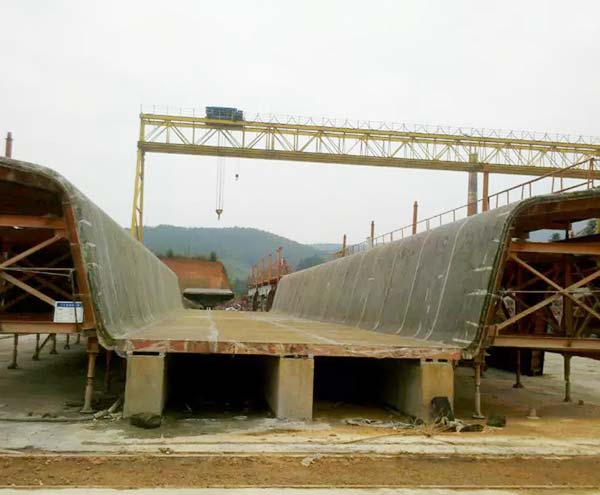
Bridge Formwork
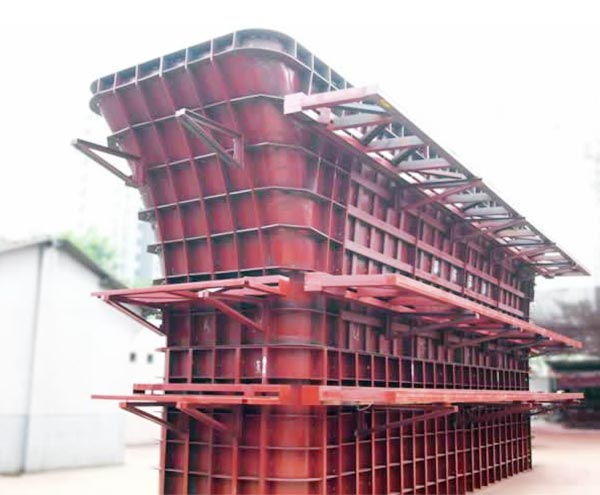
Bridge Formwork-2
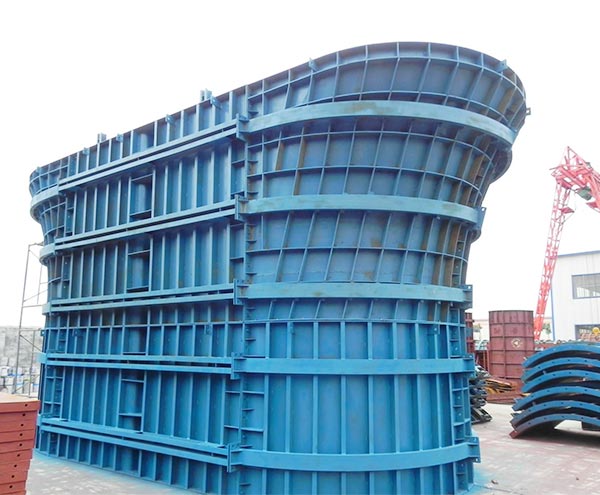
Bridge Formwork-3
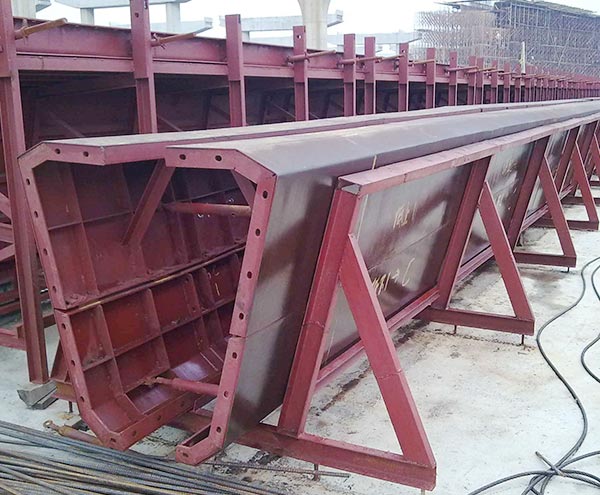
Bridge Formwork-4
Bridge Formwork-5

Highway Bridge